


16 June 2026 12:10 (UTC)
Pressure as a performance tool, doing more with less, and the drive for better data: here’s what you need to know about the 2025 sustainability report
We’ve come a long way in the five years since publishing our first-ever sustainability report – as both a racing team and global brand – and we’re continuing to find new ways to grow responsibly.
In May, we published our fifth annual sustainability report, which offers a comprehensive look at our impacts and sets our 2025 on-track successes alongside our off-track efforts to do more with less.
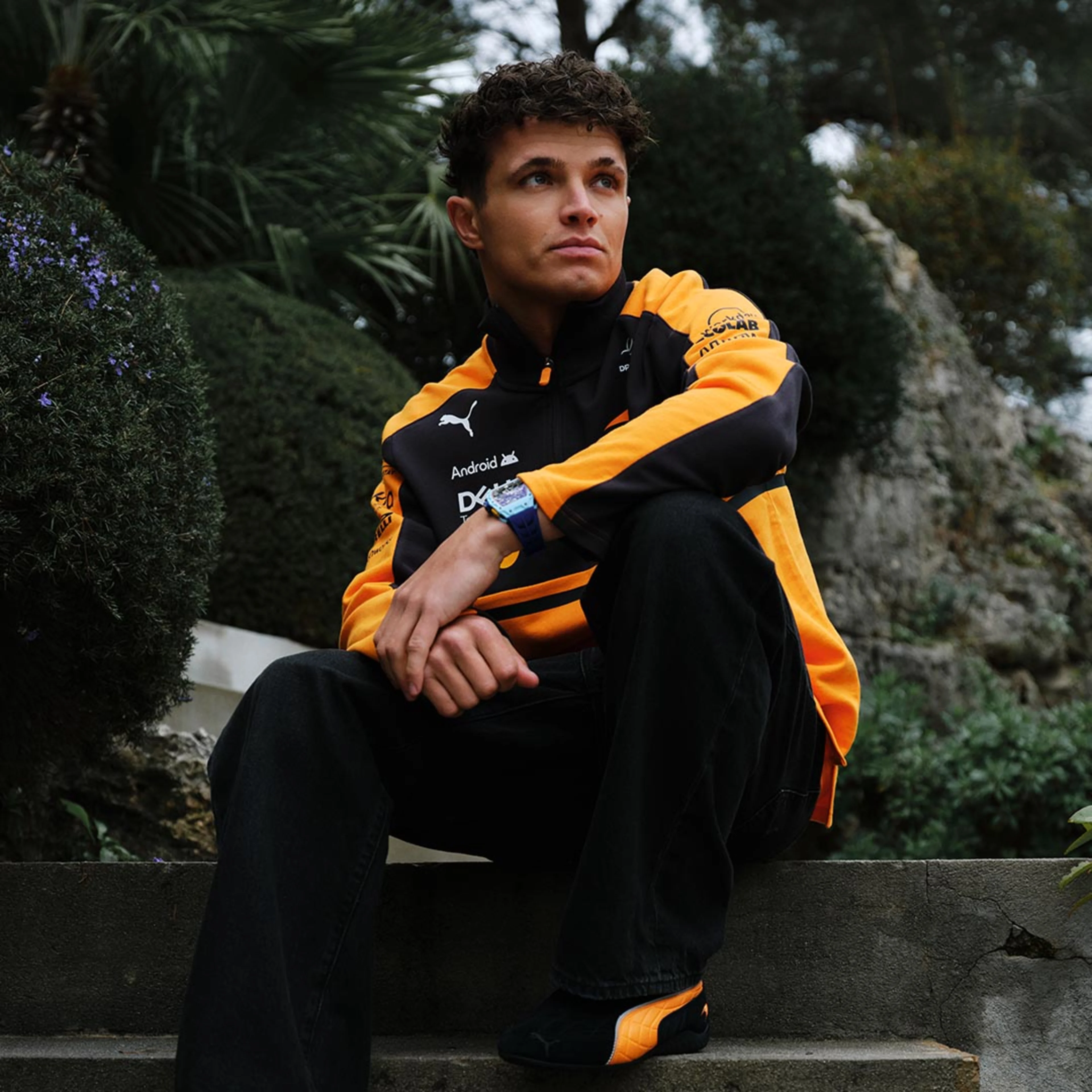
In the year we celebrated Lando Norris’ first Drivers’ Championship and the team’s 10th Constructors’ title, we also made significant strides in sustainability, including improving our data tracking and analysis, developing a roadmap to a circular F1 car, and closing in on our 2030 representation target.
What’s clear from the report is that progress requires partnership – and we couldn’t have made the strides we've made in 2025 without values-based partnerships with organisations such as Ecolab and Deloitte, who share our commitment to making our sport more sustainable.
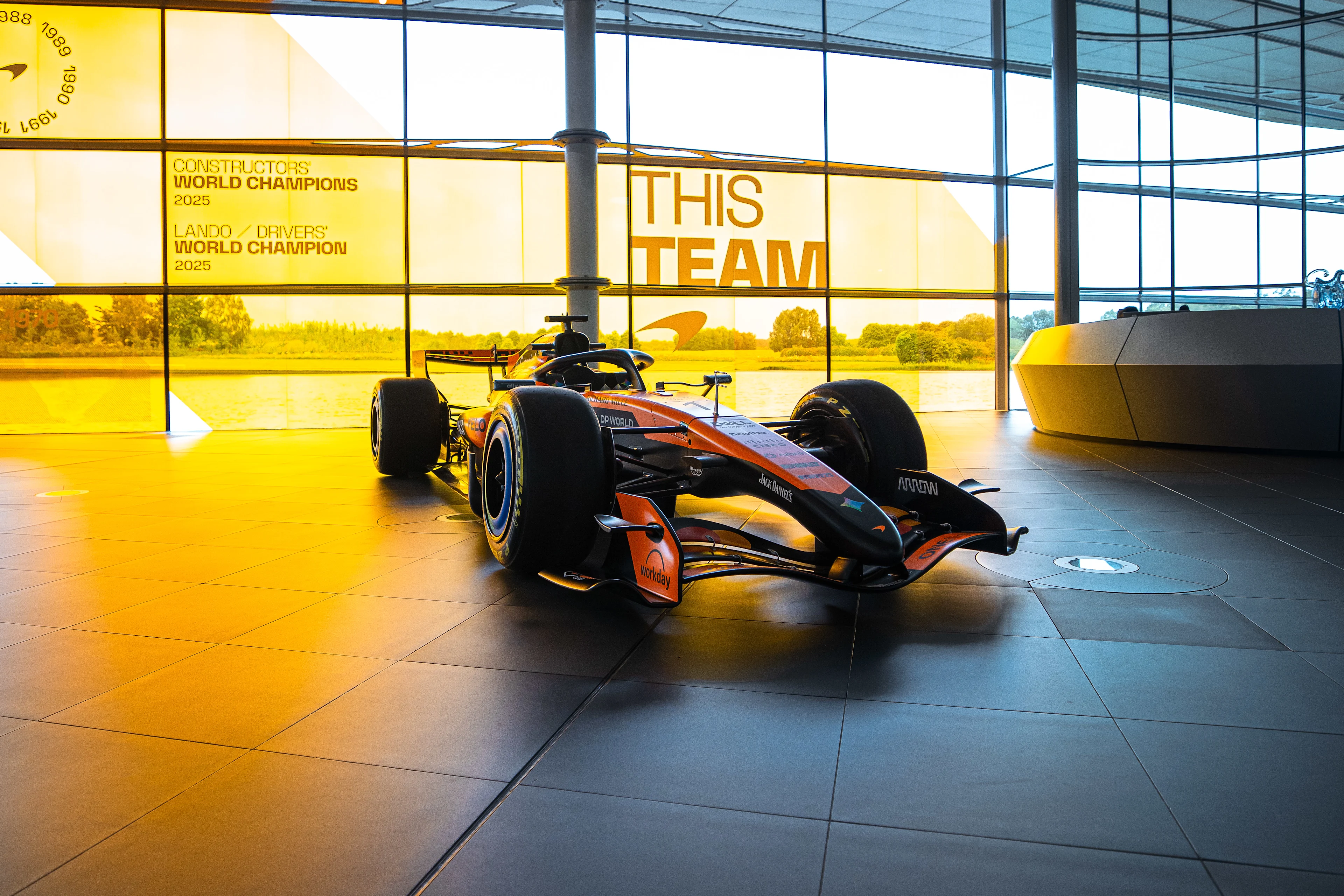
Here are the five biggest takeaways from this year’s report.
In motorsport, we know that pressure isn’t the enemy – when there are tight deadlines, high stakes and no margin for error, pressure is not only inevitable, but essential.
In our 2025 sustainability report, positive pressure shows up in two important ways: the first is in how we harness competitive pressure to find innovative solutions to environmental challenges; the second is through the work we’re doing to fuel human performance.
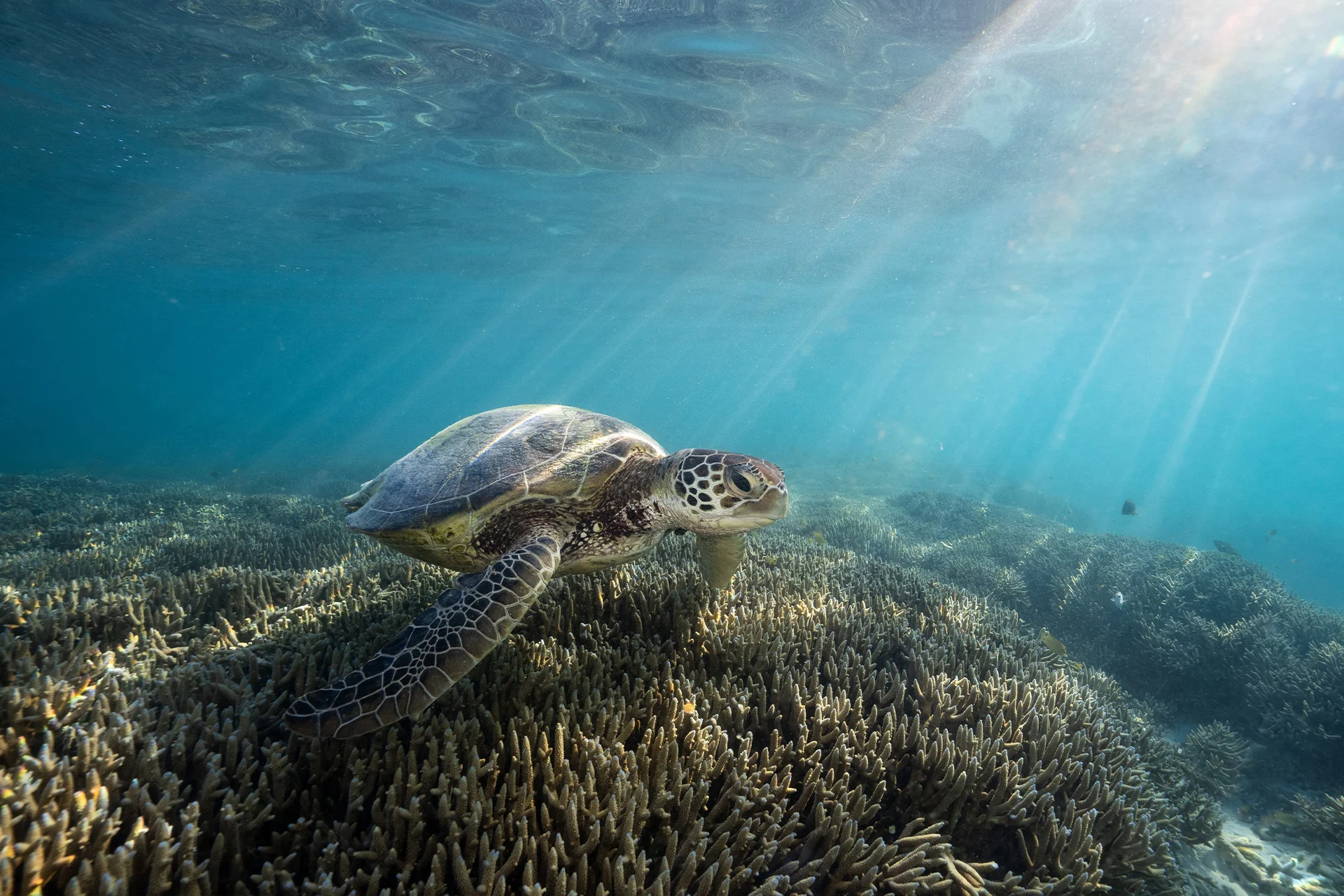
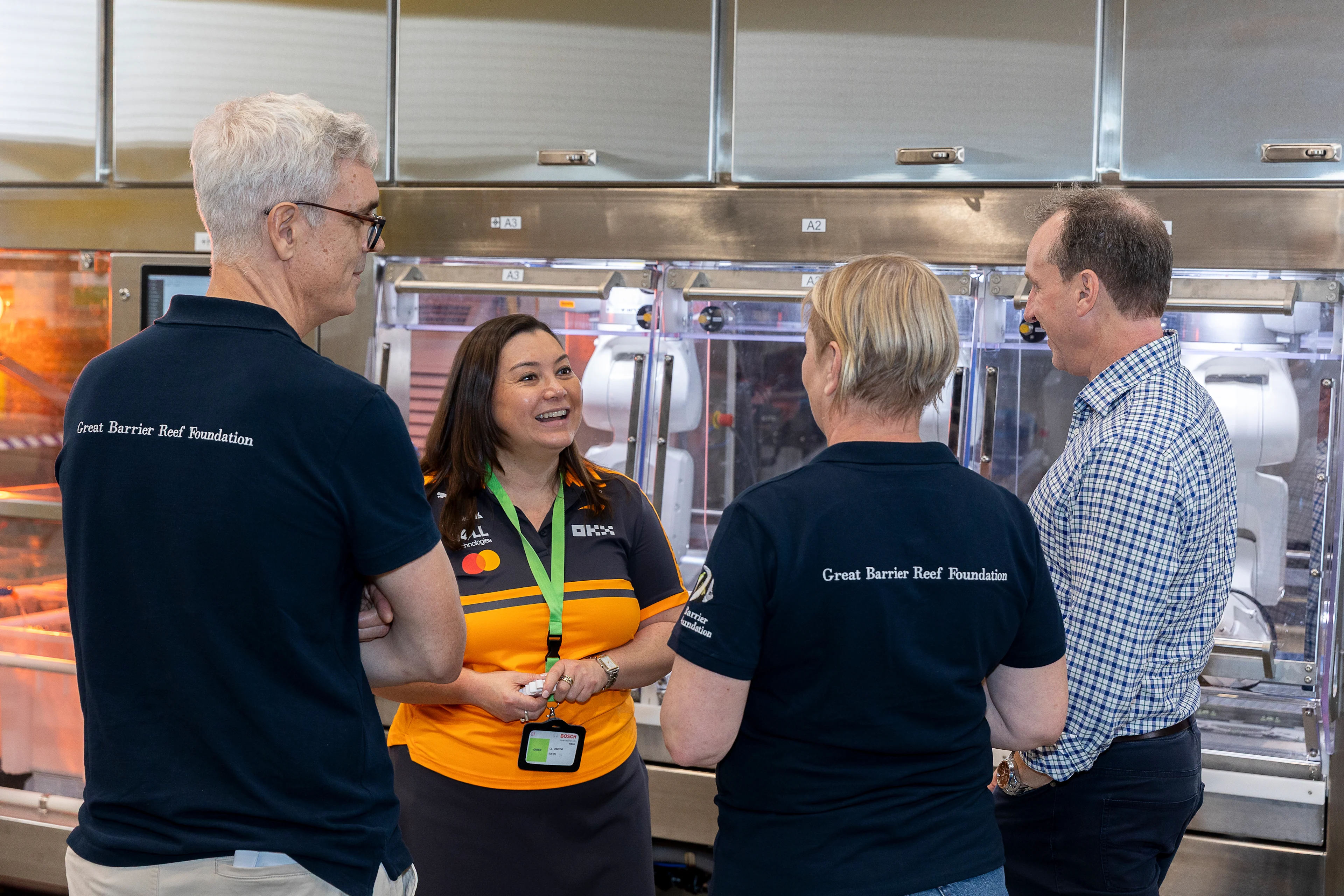
Our Accelerator team applies Formula 1 engineering expertise and a high-performance mindset to a range of environmental challenges. In 2025, building on its work with the Great Barrier Reef Foundation, which started in 2023, the team developed OSCAR (Operational System for Coral Assembly and Restoration) – a semi-autonomous machine designed to improve efficiency, increase scale, and reduce costs of coral restoration.
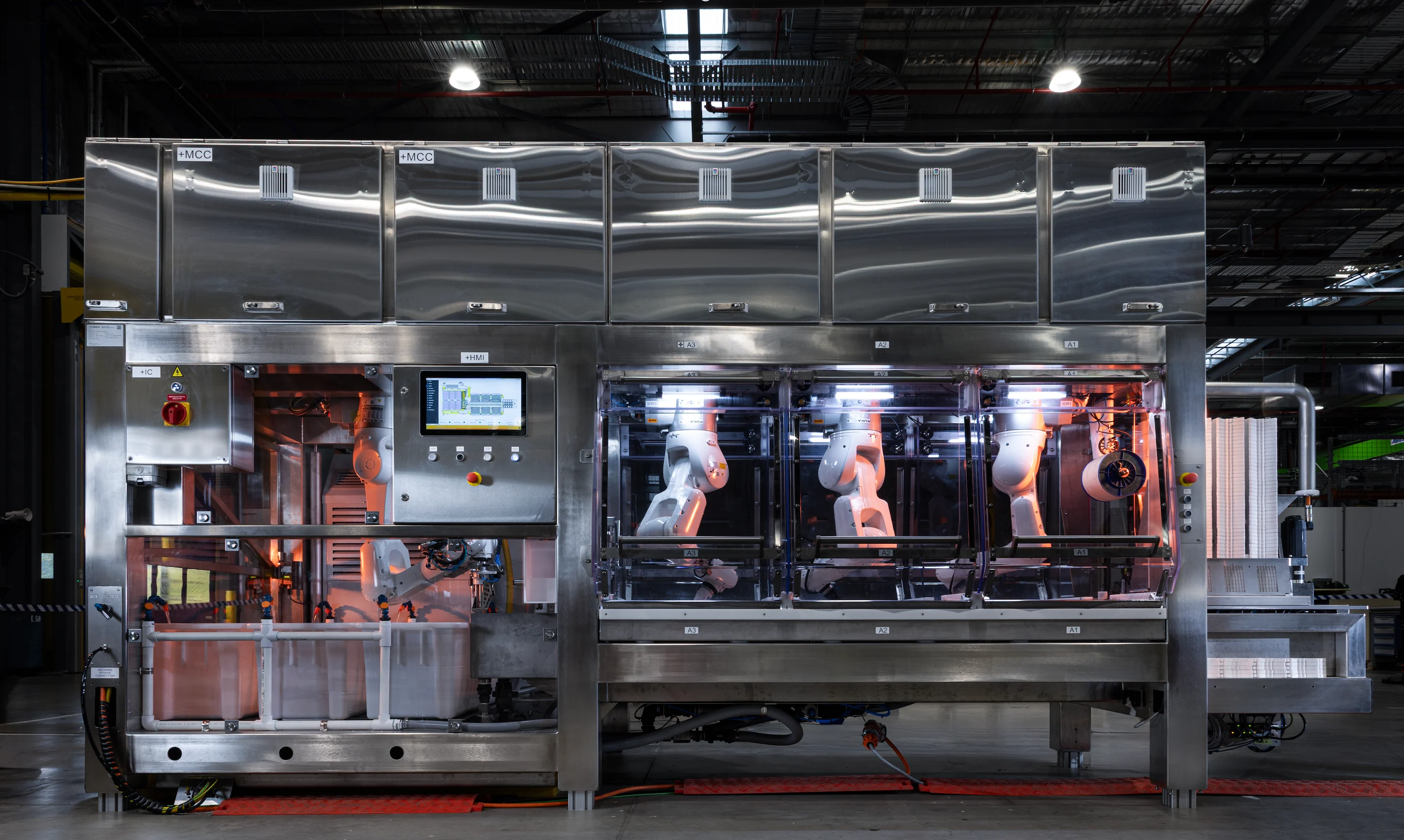
Once a year, coral spawning produces hundreds of thousands of tiny reproductive bundles, which scientists collect and grow in controlled conditions before returning them as more climate-resistant corals to damaged parts of the reef. Each coral is placed onto a small cradle device, a manual and labour-intensive process, which can take up to 90 seconds per device. OSCAR reduces this assembly time to 10 seconds, taking annual production from 100,000 to over one million cradles.
The system is currently being tested in Australia, with plans to roll it out to reefs worldwide.
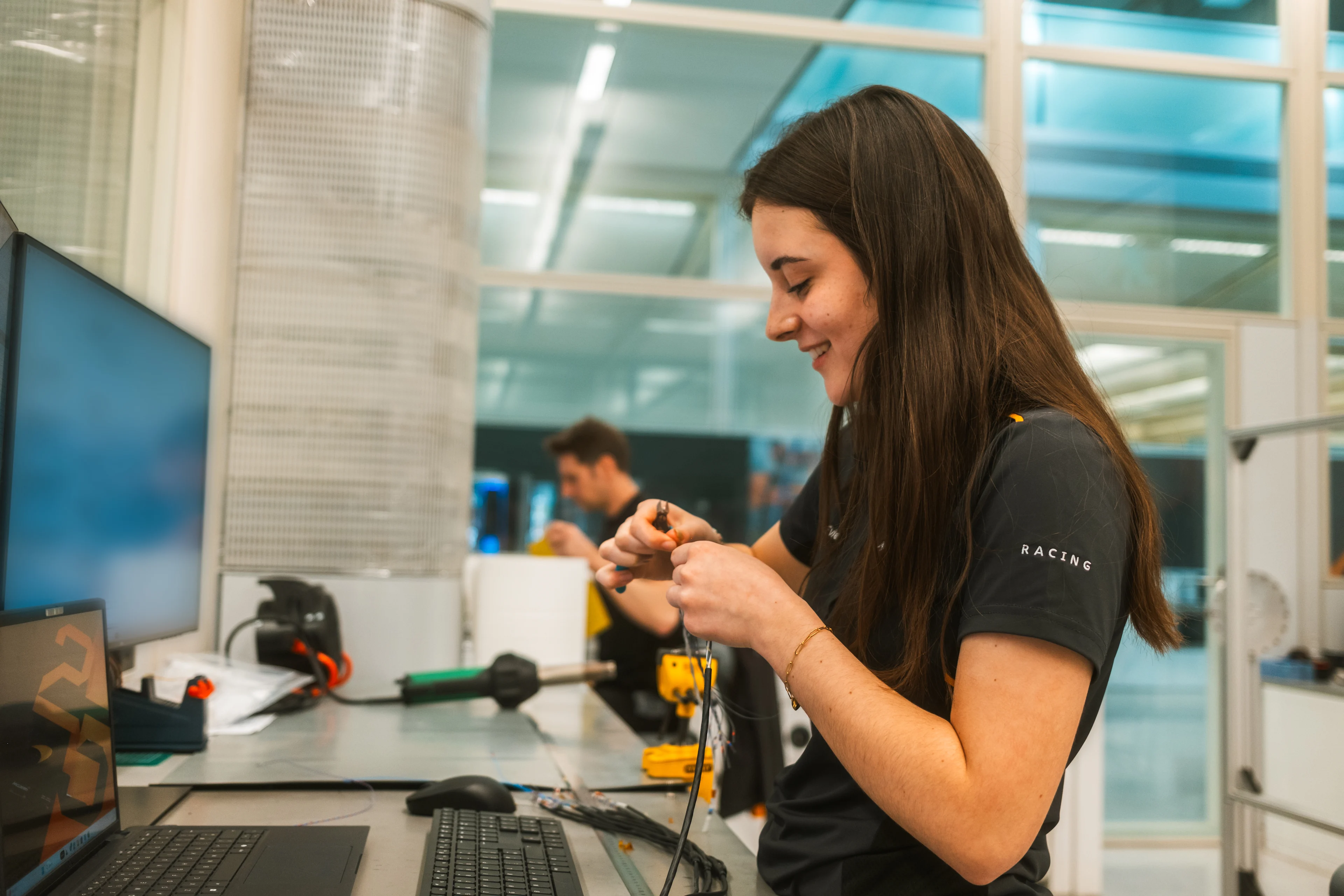
As part of our Performance pillar, the report also shows how we’re fuelling performance by creating optimal environments. The McLaren Performance Hub is a facility at the McLaren Technology Centre (MTC) that offers free access to GP appointments, physiotherapy, mental health support, fitness classes and targeted health campaigns for all team members. In 2025, it completed its first full year of operation, with 47% of our people already using it at least once a week, and in the report we share the full picture of its impact on health and wellbeing.
Doing more with less impact means optimising the positive power of our brand and business while reducing our footprint. This means ensuring that our environmental impact doesn’t scale in line with our growth, while maximising progress in the areas within our direct control.
McLaren Racing has gone through a period of sustained growth. Last year, we competed across five racing series, took part in 88 race events and continued to expand our global team, partner network and diverse global fanbase. With intensive car development ahead of the 2026 F1 regulation changes, that growth has brought a more complex supply chain and, in turn, a larger indirect emissions footprint, but we remain committed to decoupling our growth from our impact.
Looking at our own operations – our fuel and facilities, logistics, business travel, waste and merchandise – we’ve achieved a 39% reduction compared to our baseline. This is in large part due to our sustainable aviation fuel (SAF) programme in partnership with Ecolab, implementing operational projects, and optimising race calendars. Our average emissions per race also fell by 13% in 2025 compared to our baseline year of 2022.
While our interventions in our own operations have been effective, we can’t ignore the effect of our growth as a company on our supply chain. When we include indirect emissions from the products and services we buy, we see our total footprint has grown compared to our baseline. We have already started to address the volume and type of materials traditionally used in F1 car design and production, to make progress on this in 2026.
Our circularity work also illustrates what responsible growth looks like in practice. In the build-up to Formula 1’s 2026 regulation changes, we ramped up car development while still managing to reduce our total waste by 14% and introducing some bio-derived materials in our car production process, maintaining our F1 material circularity metric of 22%.
In a year where the pressure on production was higher than usual, these figures are a strong indicator of what we can achieve as an industry when we apply the same deliberate, targeted approach across our supply chain and continue to work together to influence our industry.
In motorsport, there’s no such thing as perfection. Whatever the result, every race presents opportunities to learn and improve, and when it comes to sustainability, an all-or-nothing mindset can inhibit engagement and progress. The incremental gains we've made across our climate and diversity goals remind us that meaningful progress is possible without a perfect solution; we have to act with what's available now, learn from it, and improve as better options emerge, adopting the same test, learn and iterate approach that drives performance on track.
In practice, this has meant using hydrotreated vegetable oil (HVO) for our European road freight logistics while EV technology for heavy transport continues to develop, and investing in SAF certificates with the support of Ecolab to cover 100% of our business travel and F1 charter logistics – around 1.1 million US gallons in 2025 – to support the SAF market while production still scales globally. Neither is a standalone solution, but both represent meaningful reductions using what’s currently achievable. We also understand that our engagement with these solutions signals demand in the market.
The same principle applies to small-scale improvements. In 2025, our catering partners diverted 26kg of vegetables and 80kg of fruit from waste every month through surplus supply arrangements. Eight beehives on the MTC grounds now produce around 60kg of honey a year, and filtered water taps have reduced the need for an estimated 86,000 single-use plastic bottles.
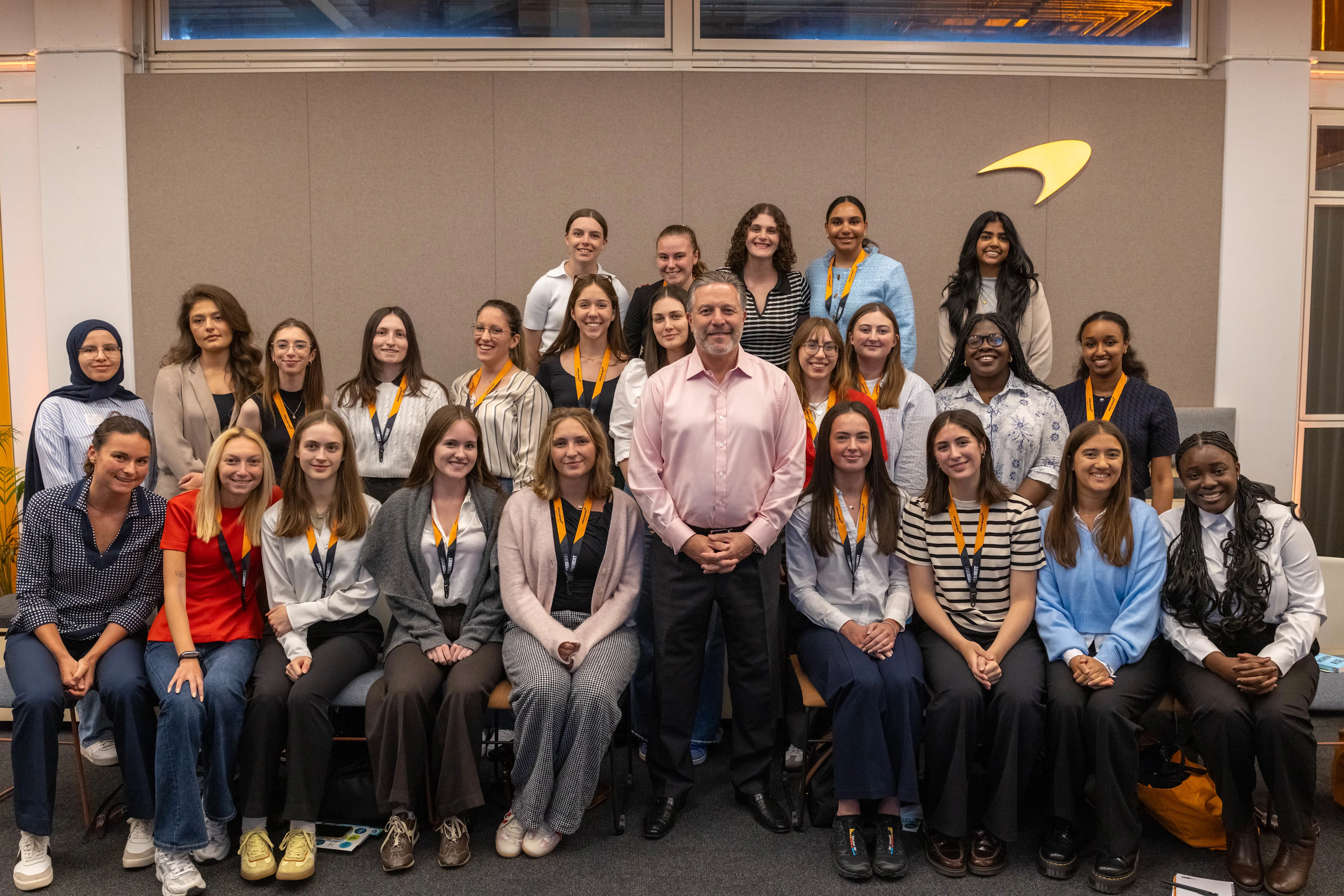
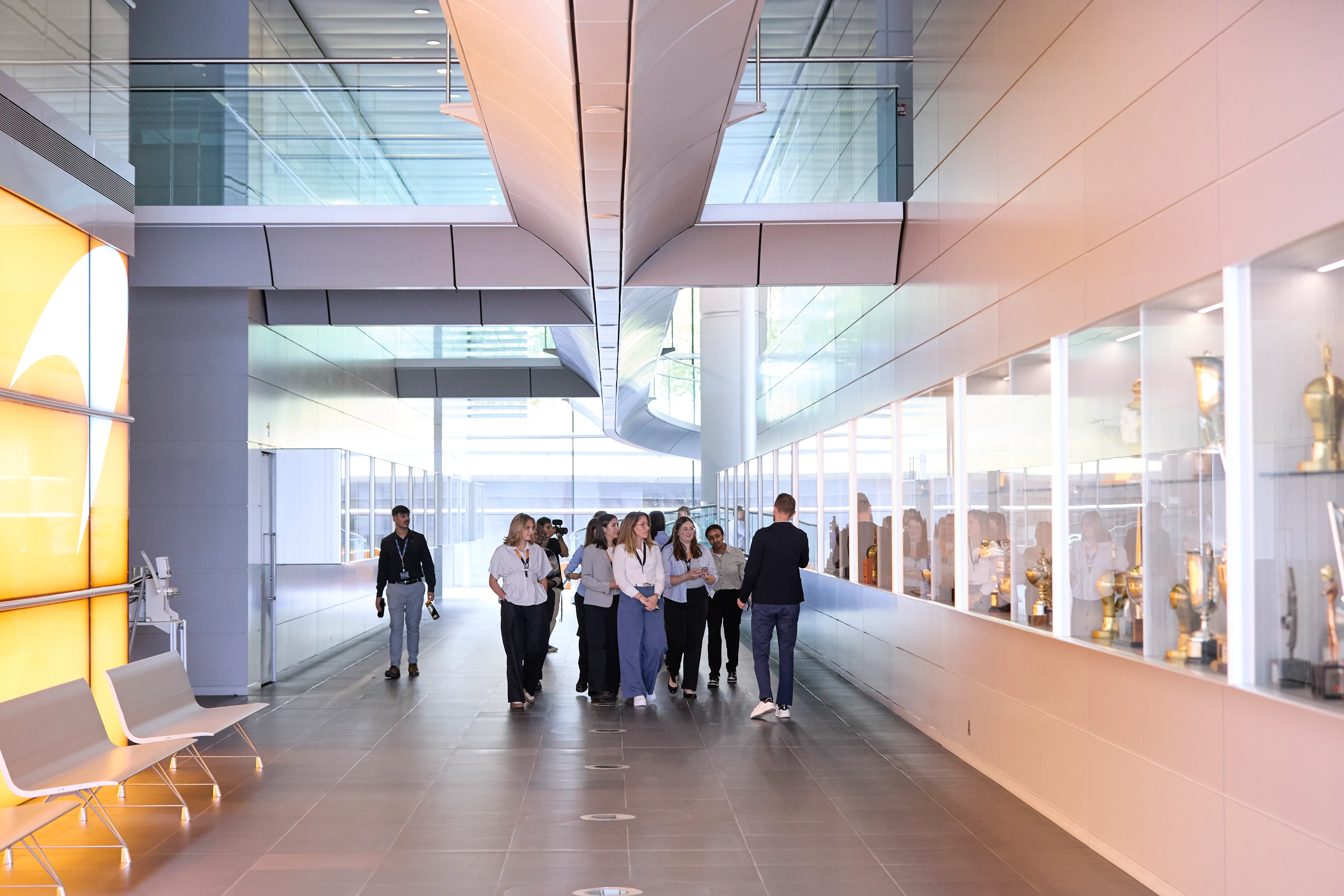
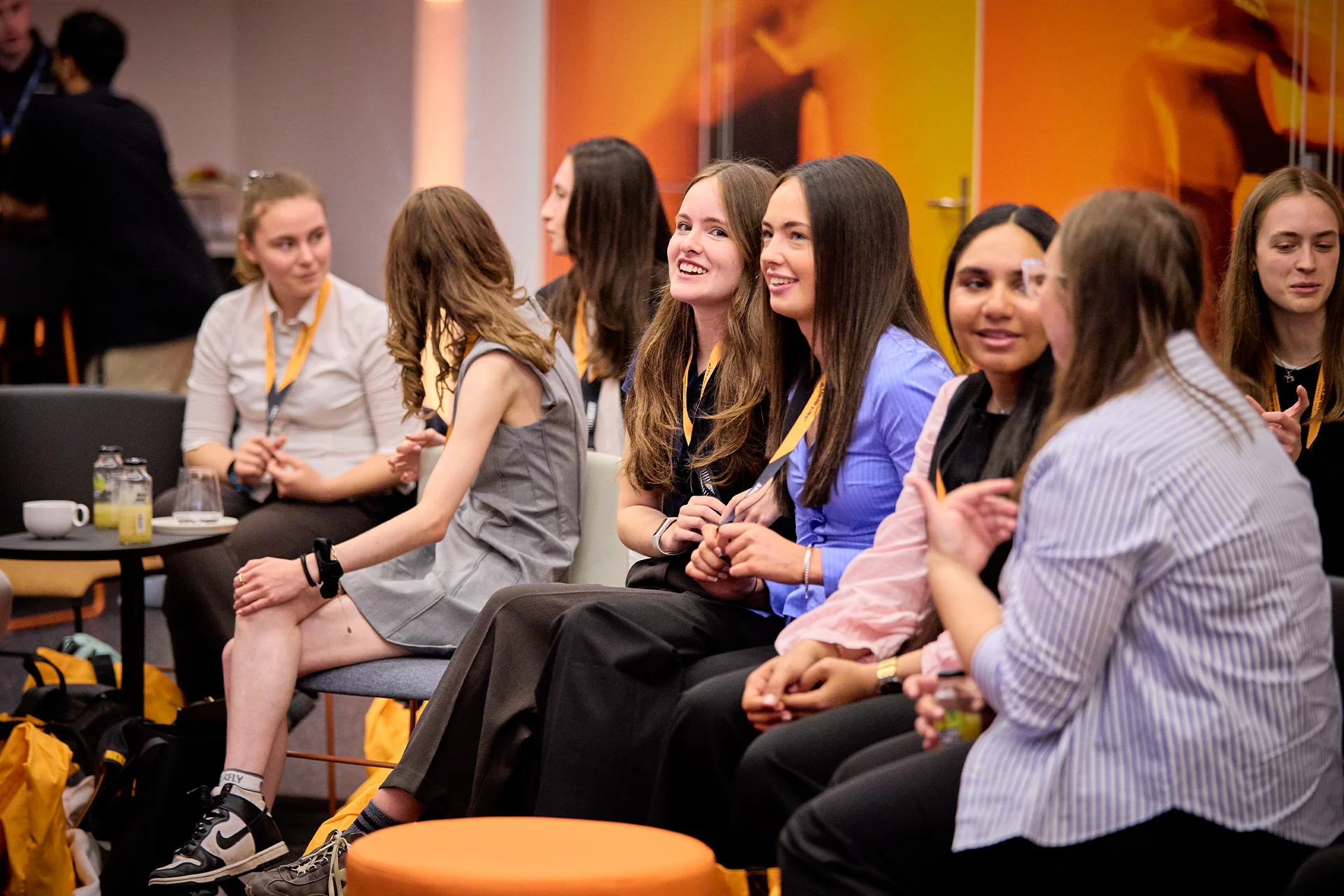
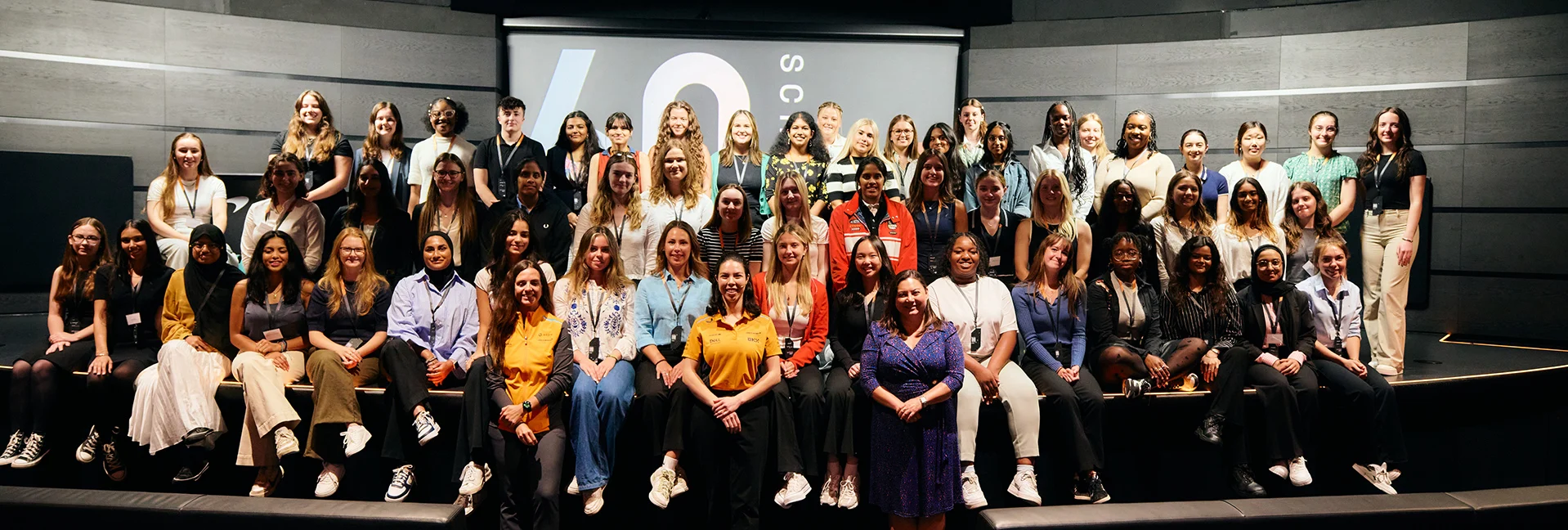
In representation too, we know change won’t happen overnight, but we’re playing our part to help improve access to STEM careers through initiatives such as our NEXT programme – a week-long immersive scheme for 25 young women delivered in partnership with Allwyn, Cisco and Deloitte UK – and our network of 90 STEM ambassadors, who work with schools and universities to deliver events for young people. The programme was also supported by our Official Learning and Skills partner Udemy. In 2025 our ambassadors – nearly half of whom are women – delivered four events reaching 6,300 young people.
The report demonstrates the need for every part of the business to move in the right direction, and for us to support quality initiatives that build momentum and deliver impact.
Our sustainability data quality, coverage and tools have improved significantly, leading us to revise previously published figures, including our emissions baseline and circularity metric. Better data means better decisions, and in sustainability just as in racing, the more accurate our information, the more confidently we can assess positive impact and prioritise action. Our work with both Google and Alteryx on our data has enabled us to adopt this impact-led approach with our climate programme – tackling the largest short-term opportunities first – logistics, travel and our own operations – to yield significant reductions across those emissions categories.
Our partnership with Workday has also given us more accurate people data, and a clearer picture of diversity across our organisation. With 36% of our team now coming from underrepresented backgrounds, we are now just 4% away from our 2030 target of 40% – a figure that represents women, people from diverse racial and ethnic backgrounds, persons with disabilities, neurodivergent individuals, members of the LGBTQ+ community and those from lower socioeconomic backgrounds.
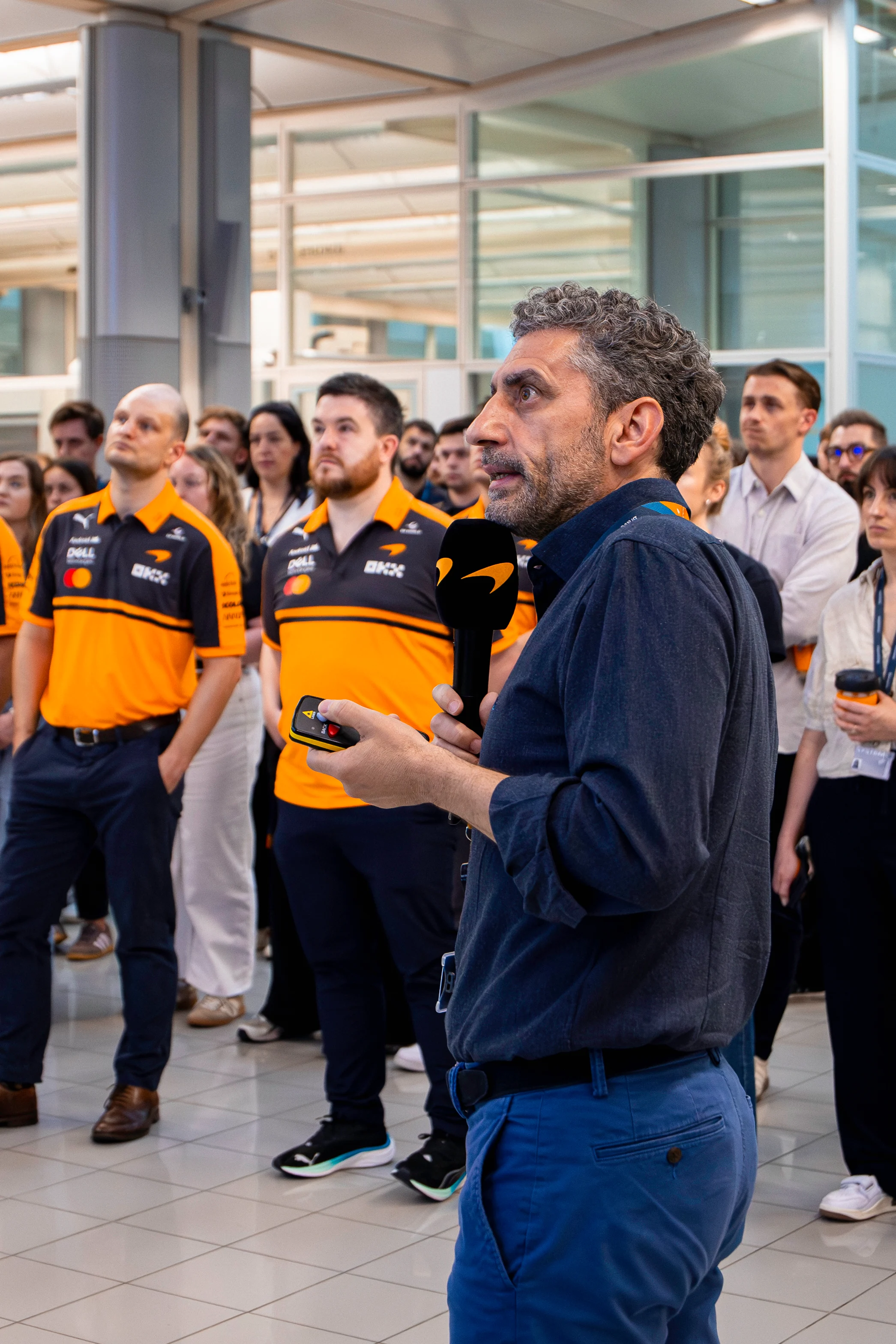
We’ll continue to improve how we measure progress, and as our methodologies evolve alongside reporting standards, we may revise previously published numbers. Data is only as valuable as the decisions it drives, and while we strive to improve it, we know it’s what we do with the data that matters.
We know what we can achieve when we have more control over the variables, but the bigger challenge lies in how we can influence and change systems and processes that we don’t control. Supply chain emissions represent 75% of our total emissions, and while our footprint doesn’t match the pace or scale of our growth, there’s more to do.
In 2025, we opened discussions with key suppliers about developing collaborative emissions reduction strategies, and we began work on a supplier engagement toolkit to help identify which partnerships offer the highest-impact opportunities for circularity improvements.
When it comes to structural questions such as the pace of SAF infrastructure, global supply chain resilience, and future technical regulations, we’re actively contributing to conversations wherever possible, rather than standing on the sidelines. We’ve done this through leading the FIA’s F1 circularity working group, participating in Formula 1 Management’s Event Energy Transition programme, and working with the Science-Based Targets initiative to ensure our targets remain credible as the business grows.
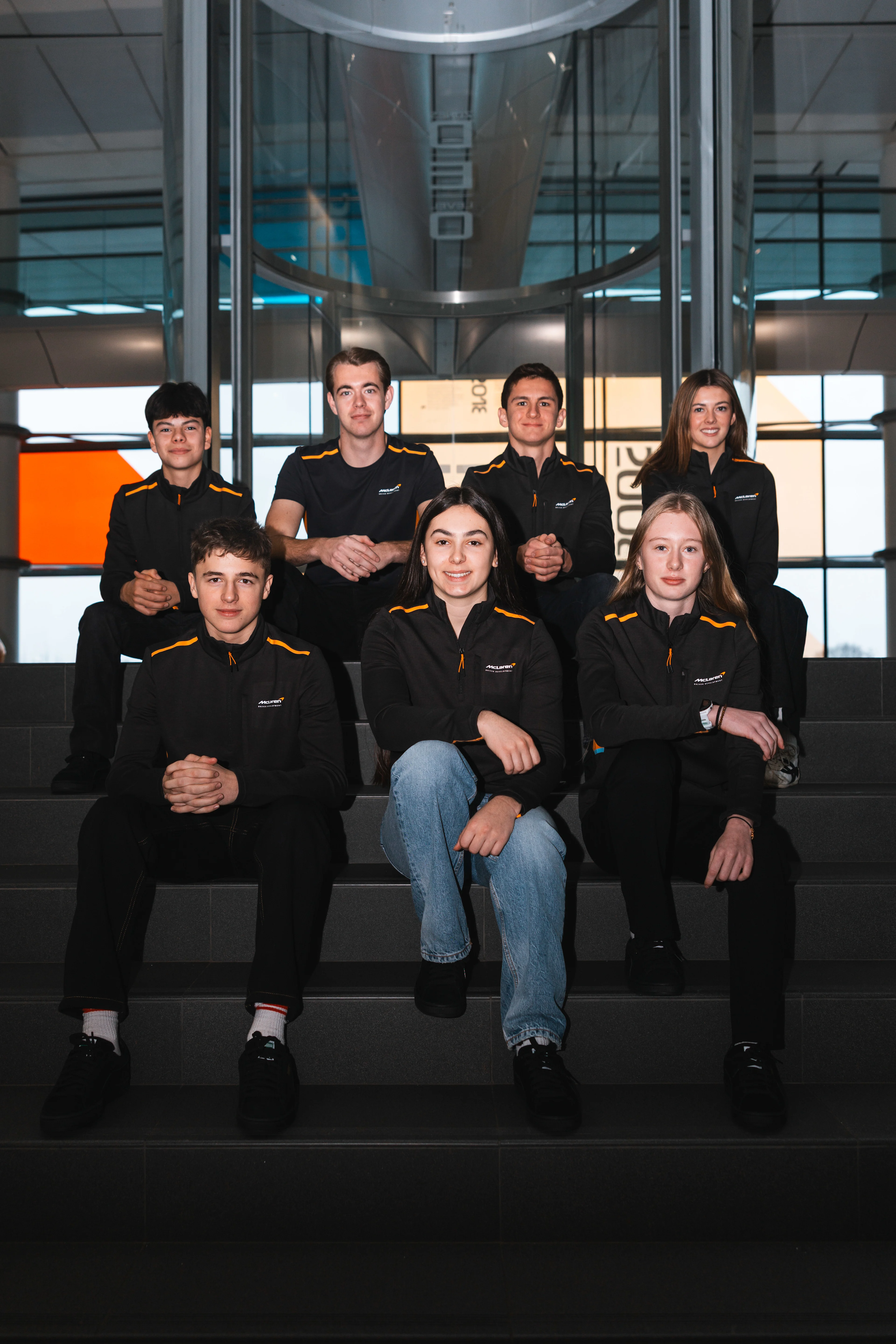
Progress depends on people, and we’re continuing to cultivate diversity of thought, experience and talent through initiatives such as our Driver Development Programme, which we expanded to include Ella Lloyd, Ella Stevens and Ella Häkkinen, and through our support of the FIA’s Girls on Track programme. In 2025 we also took opportunities to make representation visible, and our race wins at the Miami and Dutch Grands Prix saw Chief Marketing Officer Louise McEwen and Chief Financial Officer Laura Bowden become the 11th and 12th women to stand on a Formula 1 podium – historic moments that help us celebrate role models and inspire the next generation.
You can read our full 2025 Sustainability Report here, and find further information on our sustainability programme here.