

18 November 2019 16:00 (UTC)
Recounting the best McLaren driver comebacks of all time
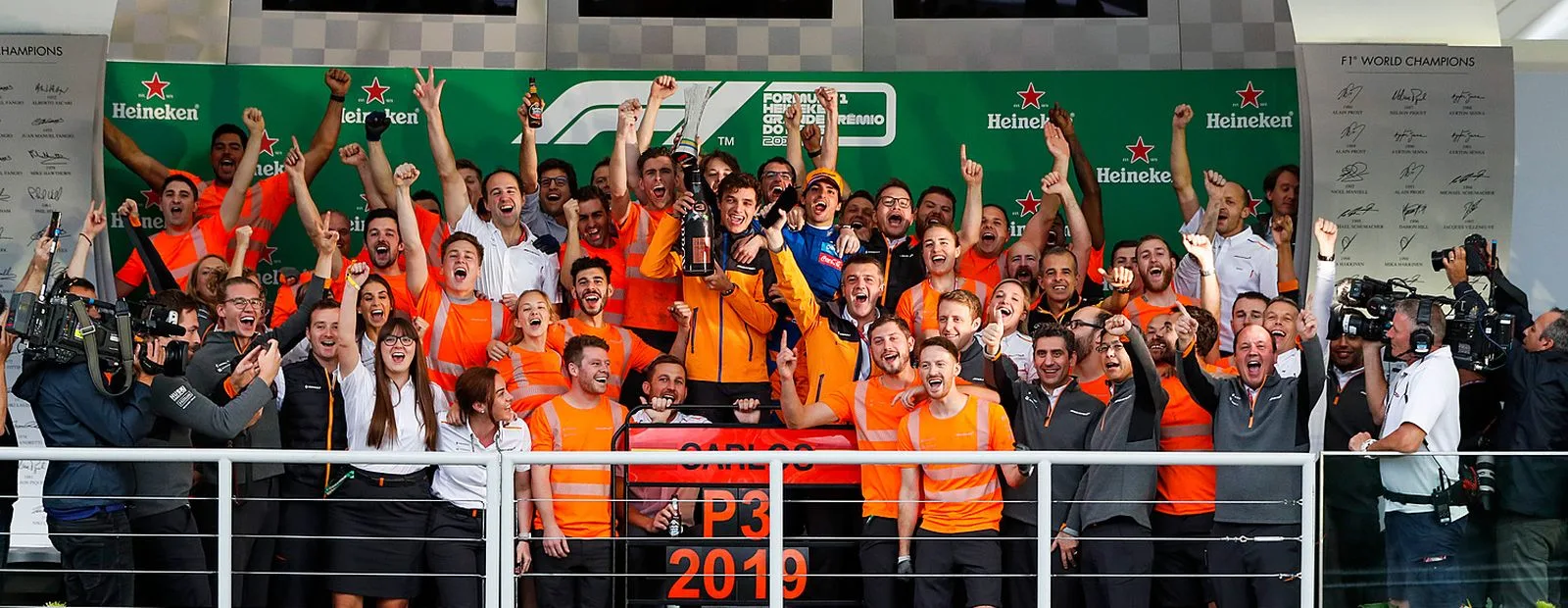
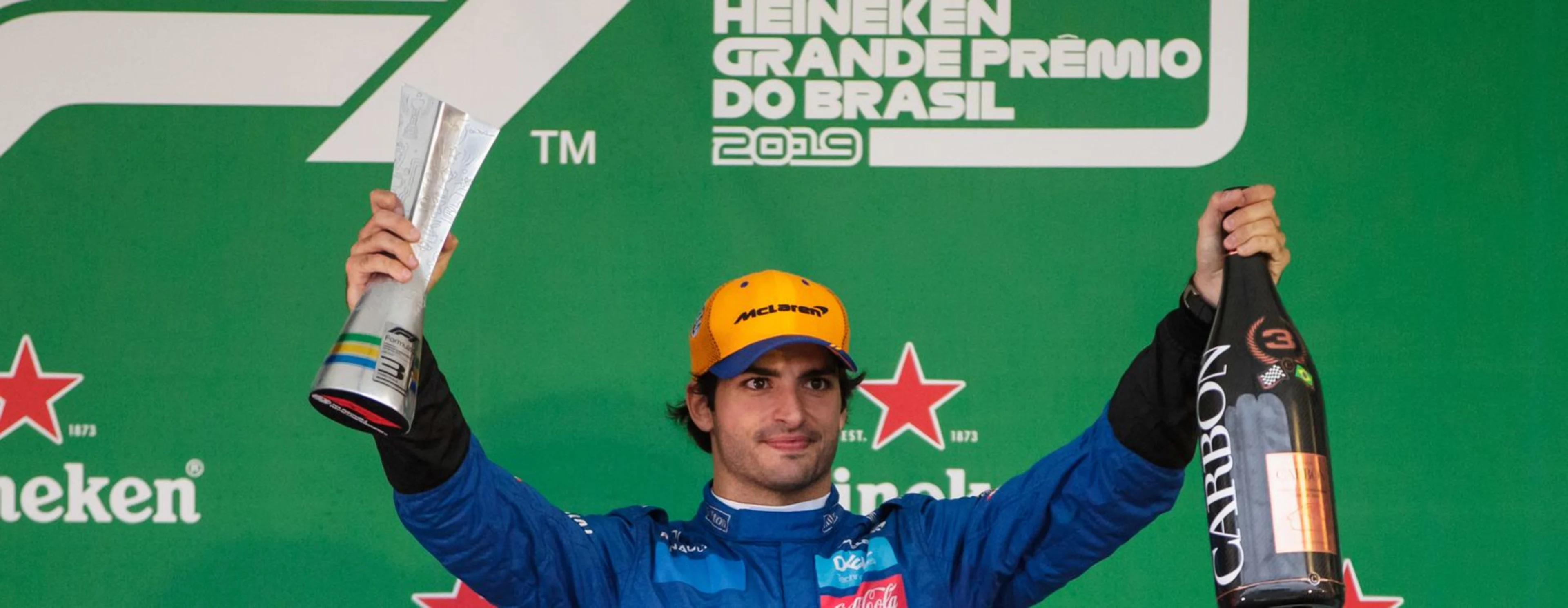
Carlos’ drive from P20 to P3 at the 2019 Brazilian Grand Prix was a mesmeric effort.
There’s a standard response when the driver has to start from the rear of the grid: he’s clapped on the back by his crew and told he’s been handed a golden opportunity to be a hero. It doesn’t often turn out that way – but sometimes it does. Carlos drove an immaculate race at Interlagos yesterday. When he could make a passing move, he was clinical; when he couldn’t, he had the patience – perhaps a racing driver’s most underrated skill – to assess the situation correctly, drop off and protect his tyres. It netted him a first Formula 1 trophy.
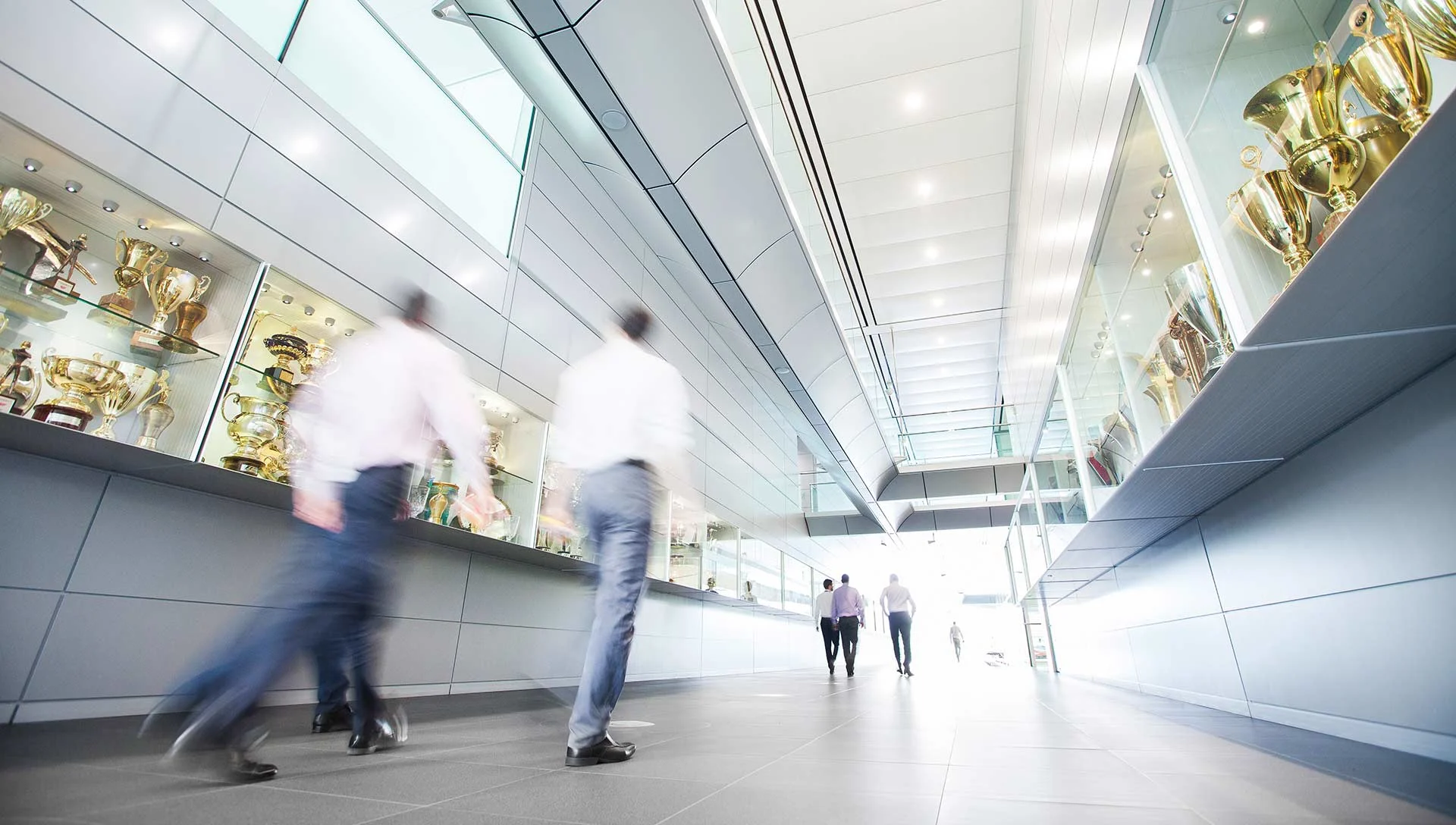
Carlos joins an extremely select band of McLaren drivers who, after an against-the-odds charge from a lowly starting position, have added silverware to the collection currently displayed on the Boulevard at the MTC . It’s good company to be in…
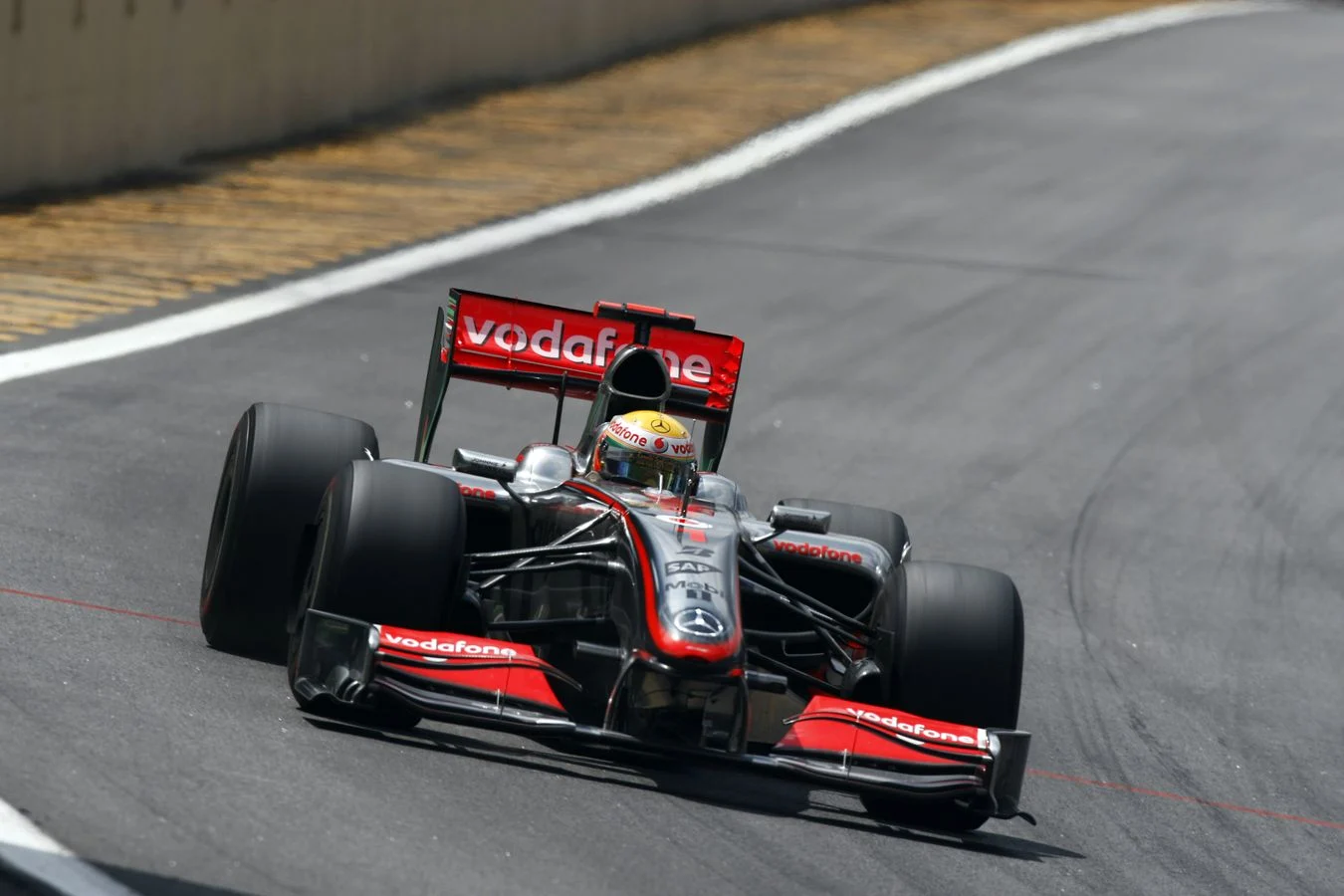
Lewis was blown away in Q1 on Saturday when one of Interlagos’ trademark pocket rainstorms flooded the circuit. From 17th he elected to pit on lap one to get rid of the soft tyre, running a very long stint to the flag on the harder compound. By modern standards, it looks bizarre, but the Bridgestone tyres of the previous era were built with stamina in mind and Lewis was able to eke out enough to stay half-a-second ahead of Sebastian Vettel at the chequered flag.
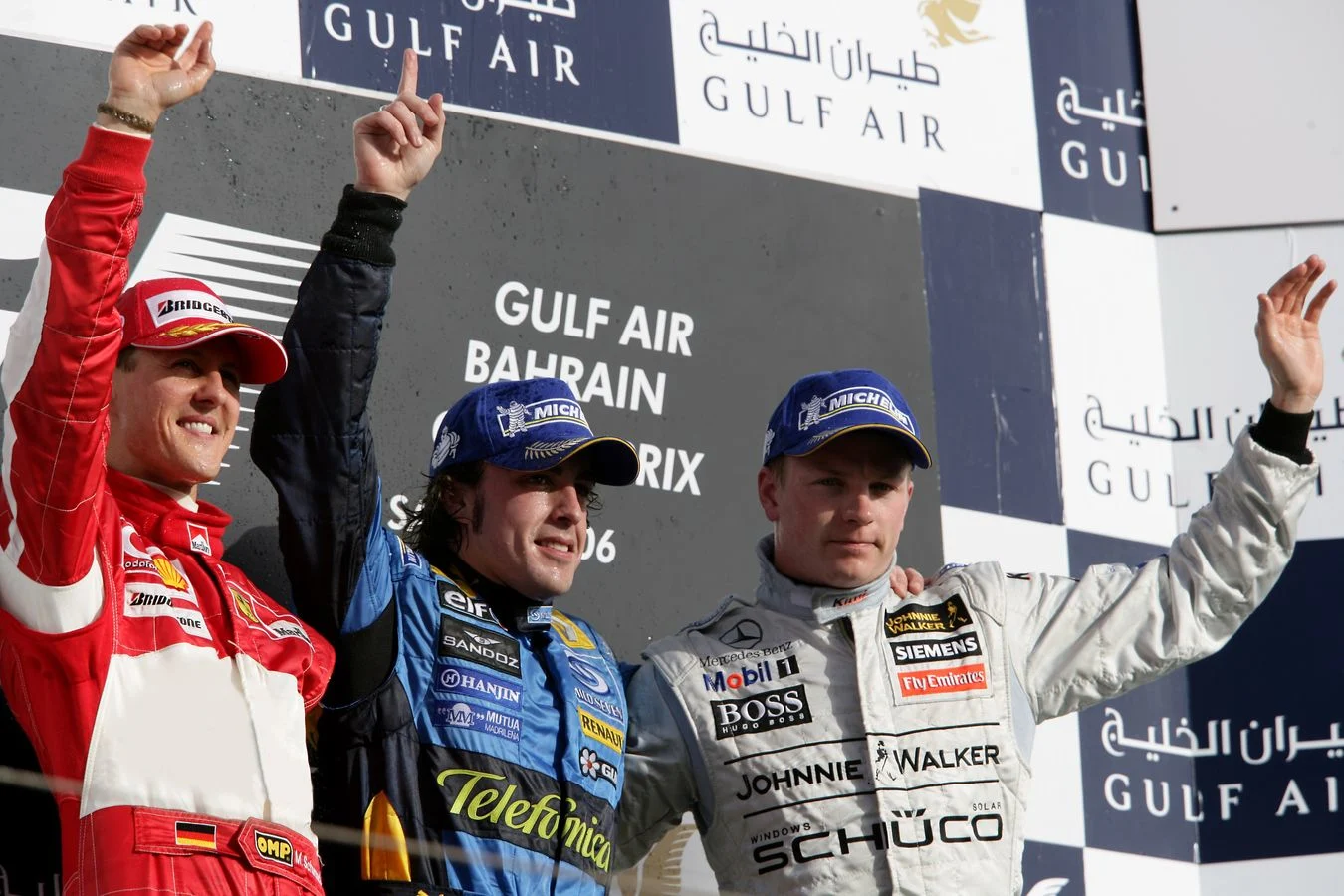
The opening race of the 2006 season saw F1 introduce its new-fangled three-part qualifying hour, and granted Kimi Räikkönen the dubious honour of being the first driver eliminated by it. A rear wishbone failure saw the Finn unable to set a time and consigned to last place on the grid. He did, however, have a quick car and a take-no-prisoners approach to making his way through backmarkers and the lower midfield. Opting for a one-stop race versus the preferred two-stopper, the strategy gave him track position and the chance to hang on for a podium.
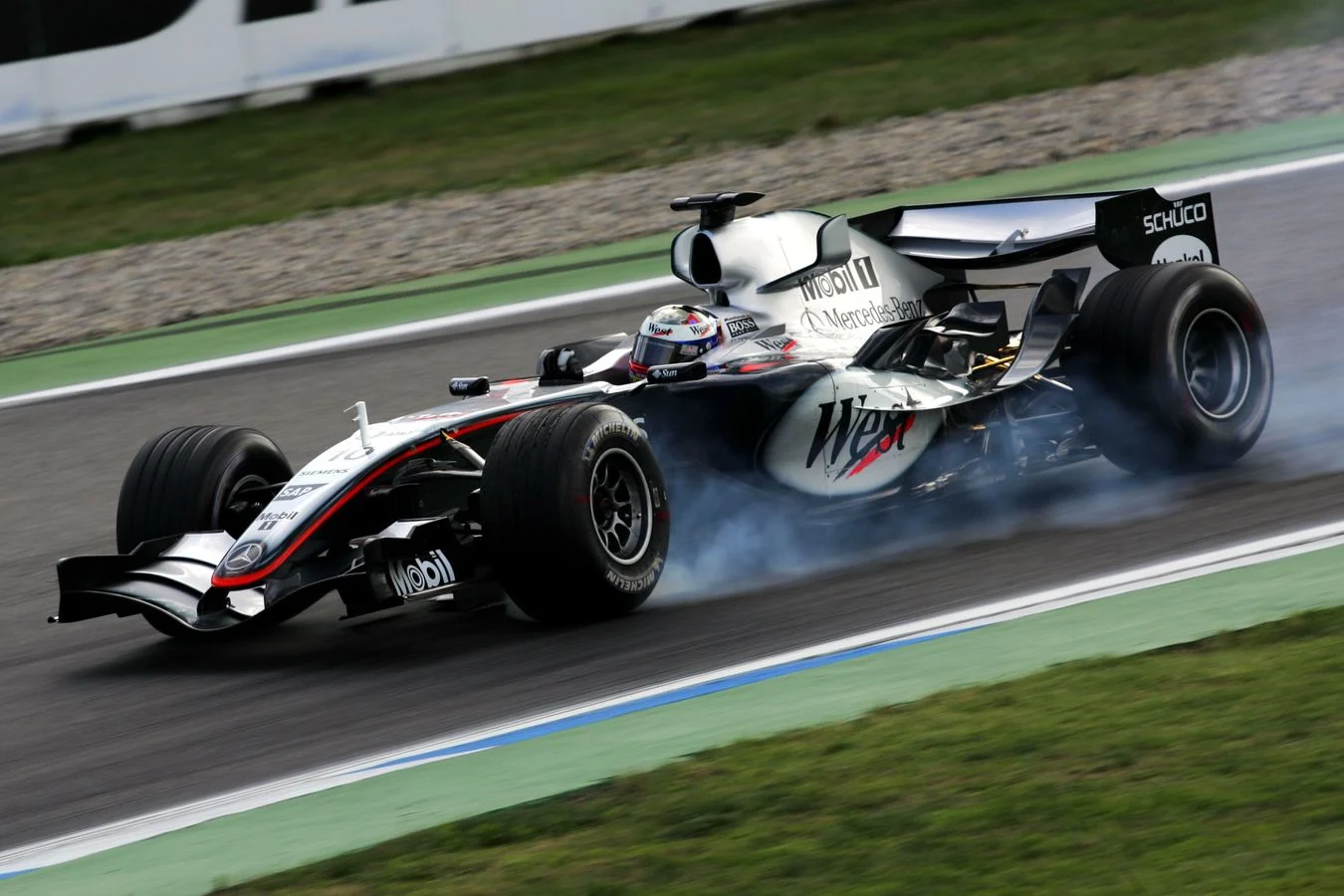
We turned up at Hockenheim in 2005 with the fastest car and Kimi Räikkönen duly took pole position. He should have been joined on the front row by team-mate Juan Pablo Montoya but a spin in the Stadium Section left Montoya without a time, destined to start P20. The pace, however, was in the car, and Montoya was able to dance his way through a field with 18 finishers, to pick up P2.
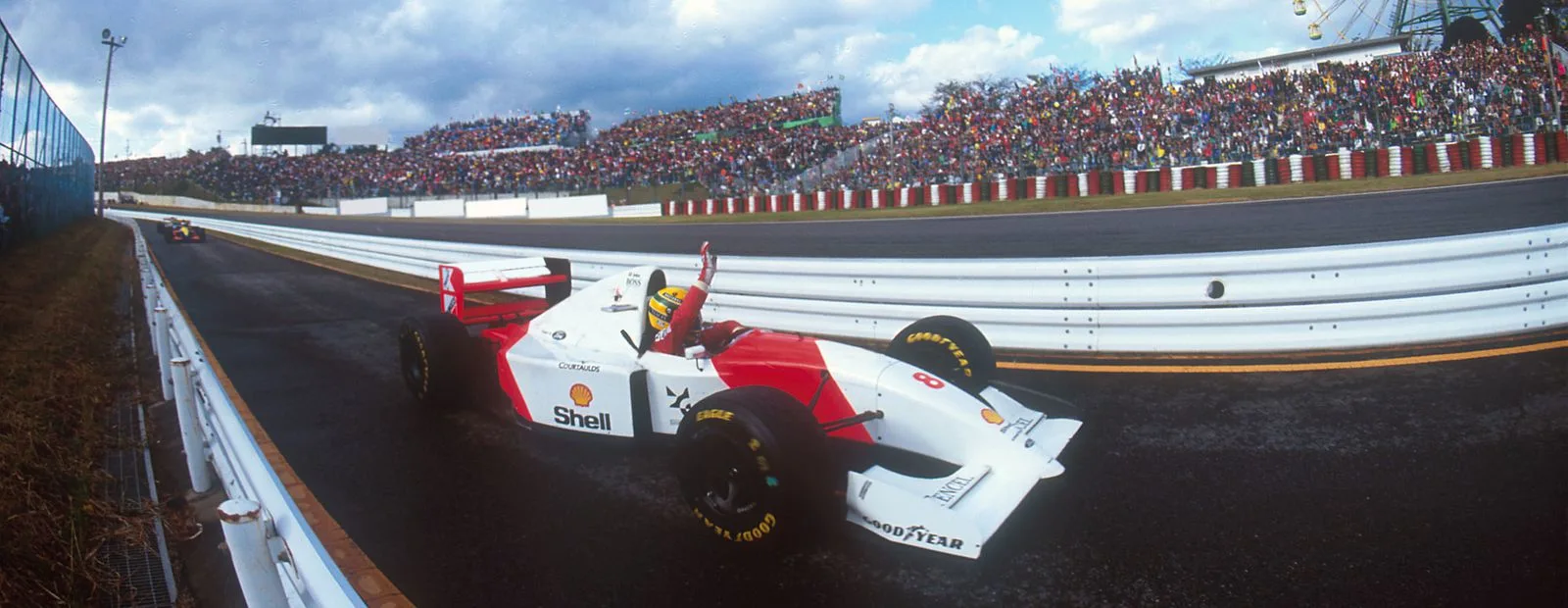
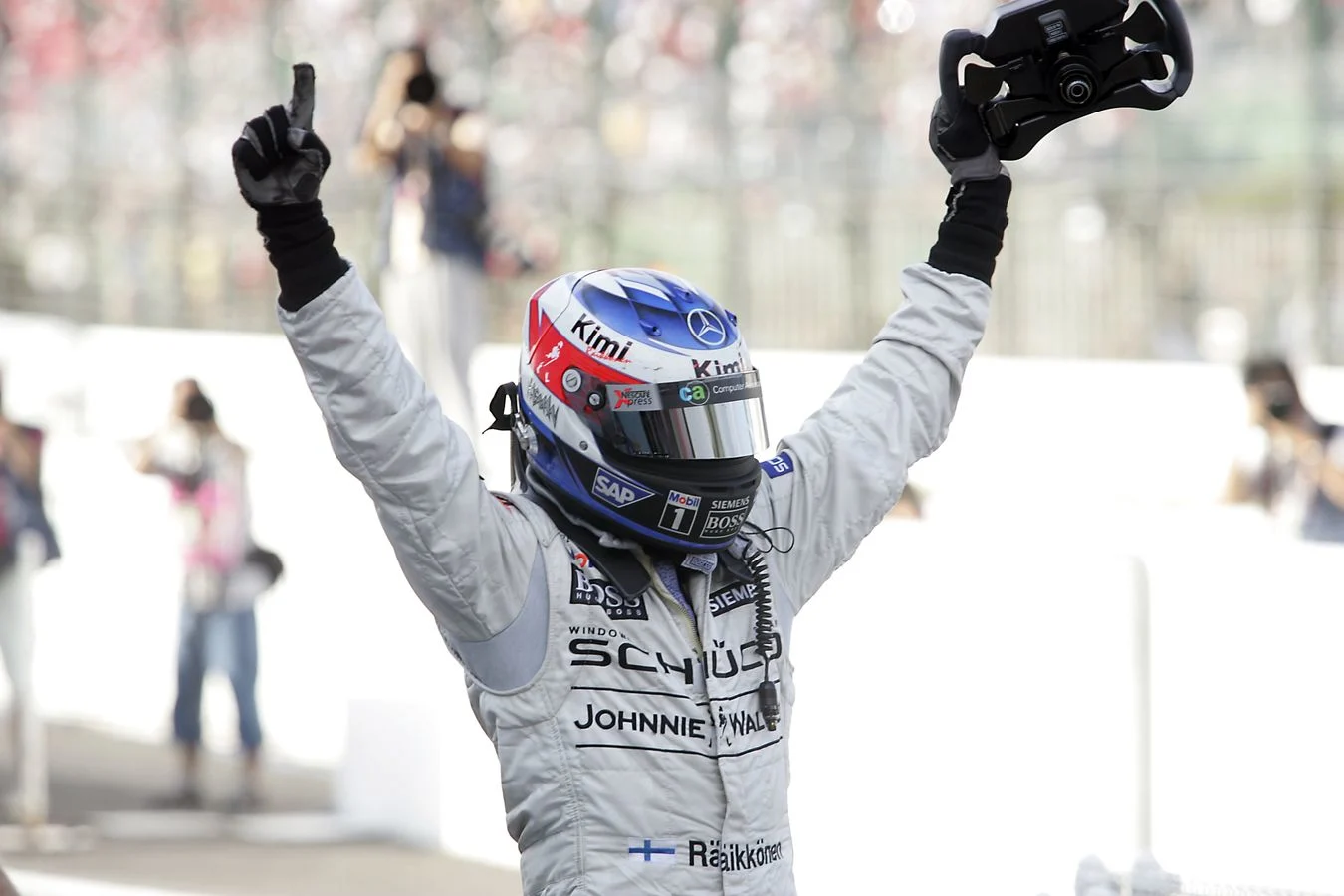
A combination of one-lap qualifying and a late-session shower caused a shake up to the grid. Räikkönen attacked from the start and kept on attacking through every stint. With three laps to go, he got onto the tail of race leader Giancarlo Fisichella's Renault, with the constructors’ title at stake. Fisi went defensive and fended off Kimi again and again, through the Finn finally found a way by around the outside of Turn One on the very last lap, bringing the crowd of 155,000 at Suzuka to their feet.
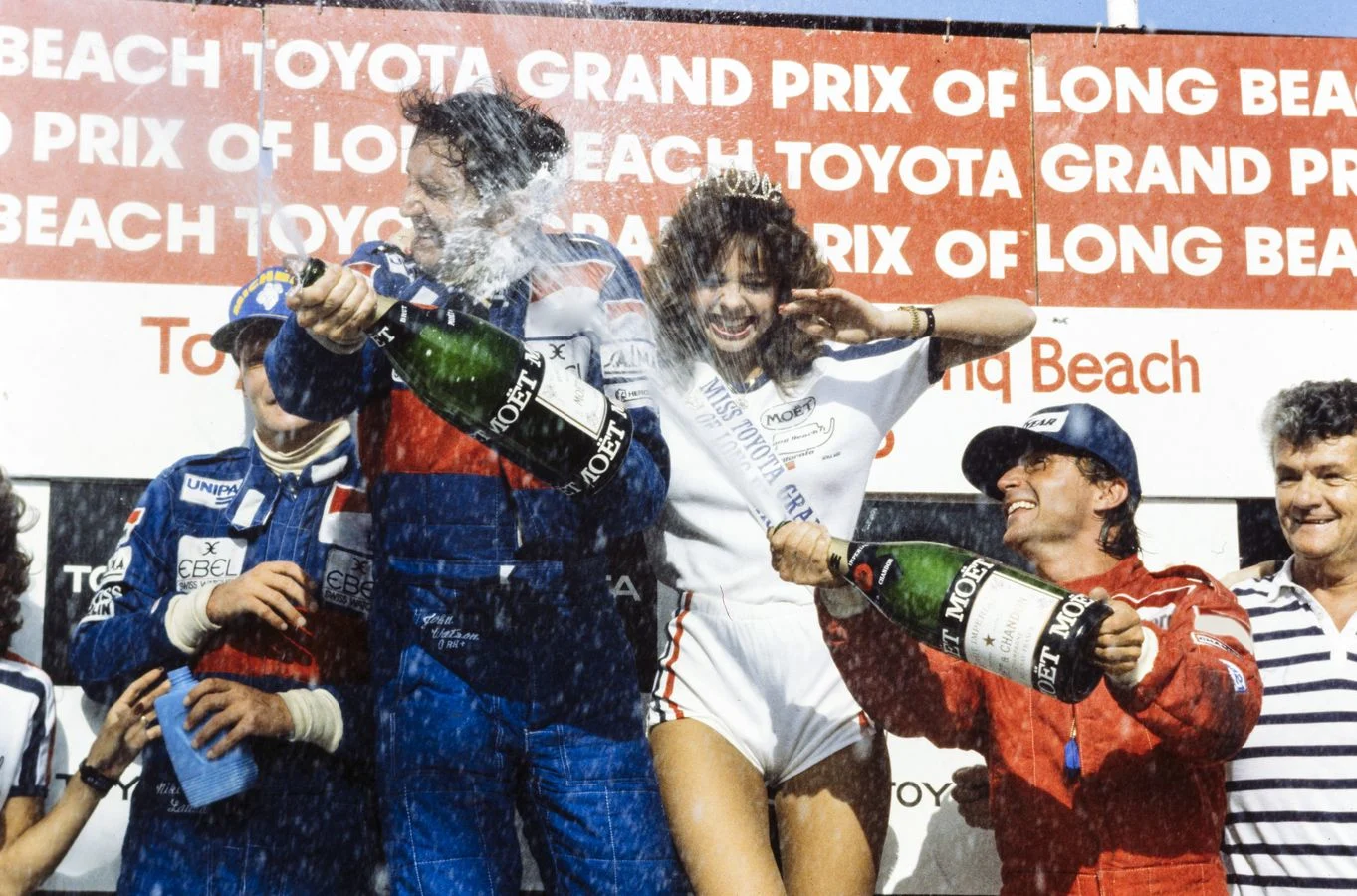
John Watson obviously had an affinity with racing in the USA, and a heroic streak when it came to battling his way through the field. He screamed through from 21st to finish on the podium. Fast from lights to flag, he didn’t take the option of a refuelling pitstop, and took advantage of others failing to master the city streets. As Motorsport Magazine put it at the time: 'He wasn't doing an heroic drive though the field from the back, as the media seemed to think, the ‘front’ was destroying itself in front of him.'
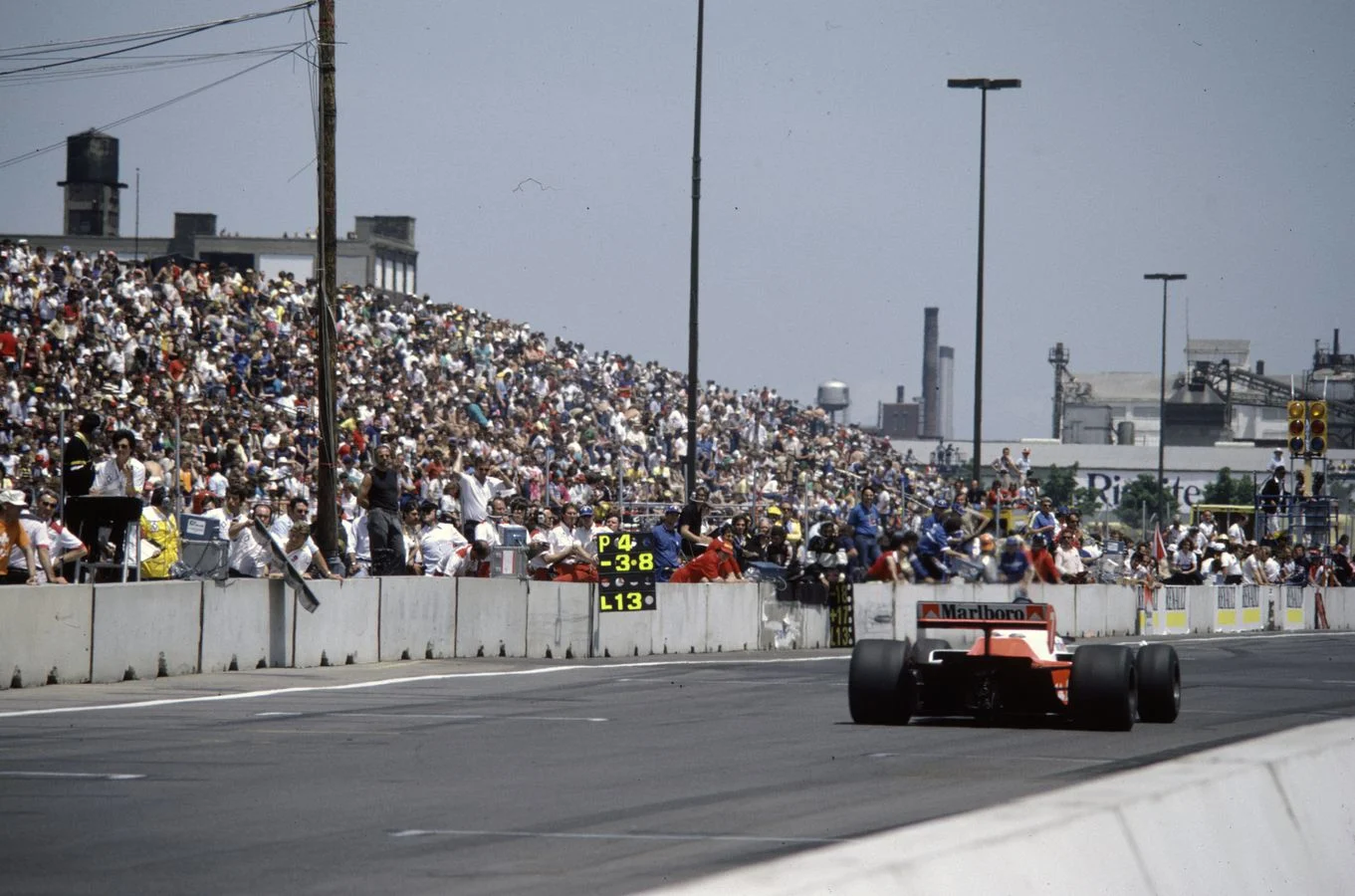
We had a miserable time on Michelin qualifying rubber at Long Beach, never finding a happy set-up balance and Watty qualified 22nd, one place ahead of team-mate Niki Lauda. Watson and Lauda were clinical in making up places on race tyres that worked much better than their qualifiers. Watson won by half a minute from Lauda who was 45 seconds clear of Rene Arnoux in third. The 1983 Long Beach Grand Prix is everyone’s favourite pub quiz F1 stat, being the F1 race at which the winner started from furthest back.
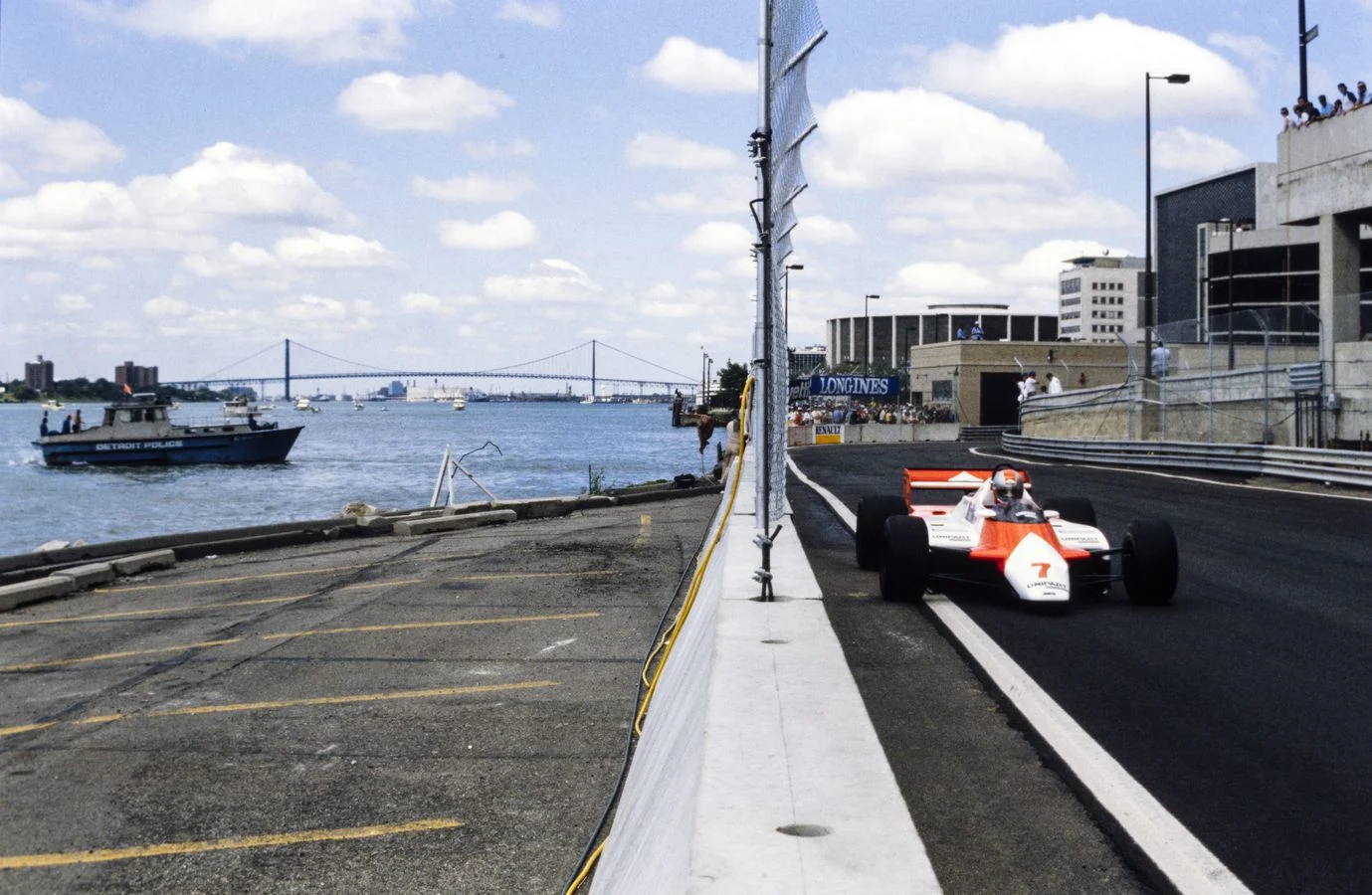
Detroit made its F1 debut in 1982. The race was a bruising affair, with the bumpy street circuit seeing plenty of cars playing dodgems, and the red flag deployed after seven laps. Watson had already begun climbing through the field by then from 17th, and at the restart, set about chasing down the leading pack. By the time he reached second, he had a 15s deficit to leader Keke Rosberg. That took seven laps to wipe off, and on lap 37 he was in front but, with times of the two halves of the race being amalgamated, still also 18 seconds behind! No problem: Watty hared off into the distance to take victory by 15s.
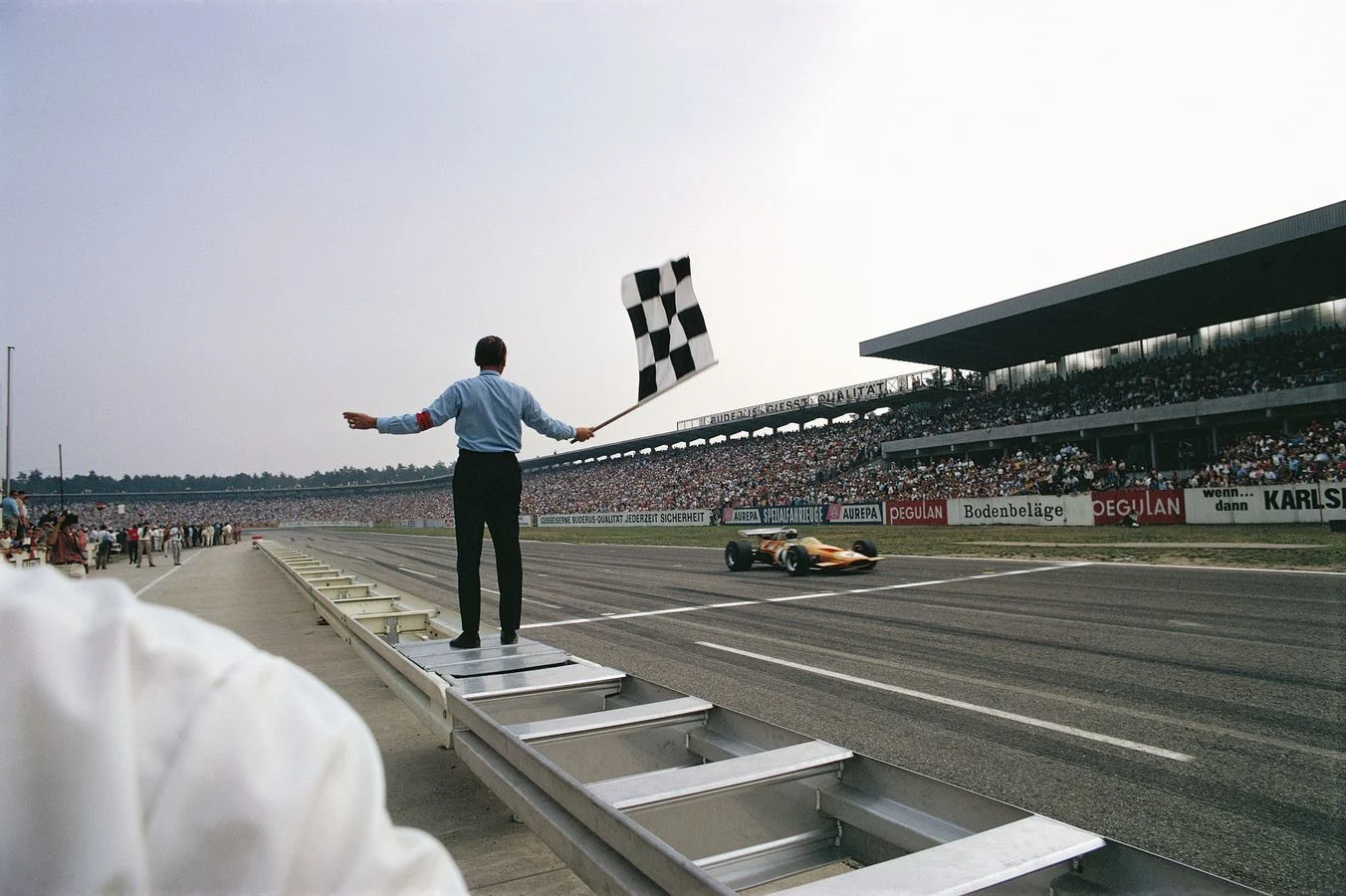
If you can get to the finish when those in front of you simply fall off, then occasionally a trophy will be your reward. Denny Hulme had that experience at the 1970 German Grand Prix. The long, flat-out straights of Hockenheim put a fearful strain on engines, and by the end of the race, 18 of the 26 starters had retired. Denny, however, sailed through to take a most unexpected podium finish.