



18 February 2026 15:00 (UTC)
A new season is upon us. Let’s dive into all things IndyCar to get you ready for the “The Fastest Racing on Earth” in 2026.

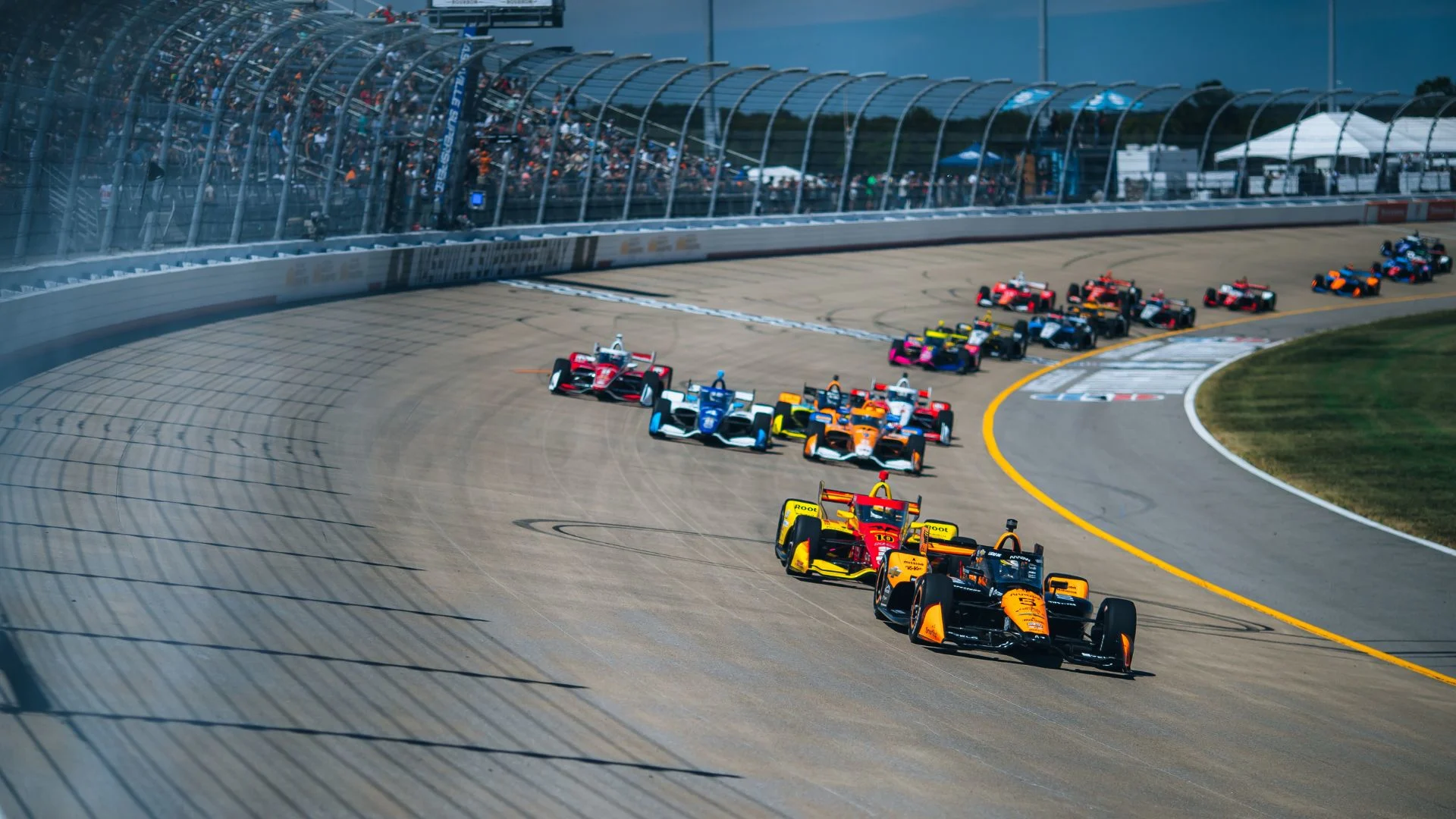
With cars exceeding 240 mph, the NTT INDYCAR SERIES truly earns its title as the “Fastest Racing on Earth.” The series is also one of the most competitive in the world. Pure speed, plenty of passing, high-speed drama on track paired with engaging personalities off track – IndyCar has it all.
Consider this guide your one-stop shop for everything you need to know about the NTT INDYCAR SERIES in 2026. We’ll cover specific tracks, overall strategy and the championship format. Fans, start your engines!
The NTT INDYCAR SERIES is North America’s premier open-wheel series with drivers representing over 11 different countries around the world.
Ten teams with 25 full-time cars blending speed and strategy across 18 high-octane races.
A typical NTT INDYCAR SERIES race weekend is jam-packed with action. Full setup days usually occur on Thursdays, as team transporters arrive carrying every piece of needed equipment. After setup, it’s time for the “track walk,” where drivers and their engineers zip around the track (on foot or wheels) to analyze every nuance, bump and crack, and discuss the most strategic approach to each corner and straight.
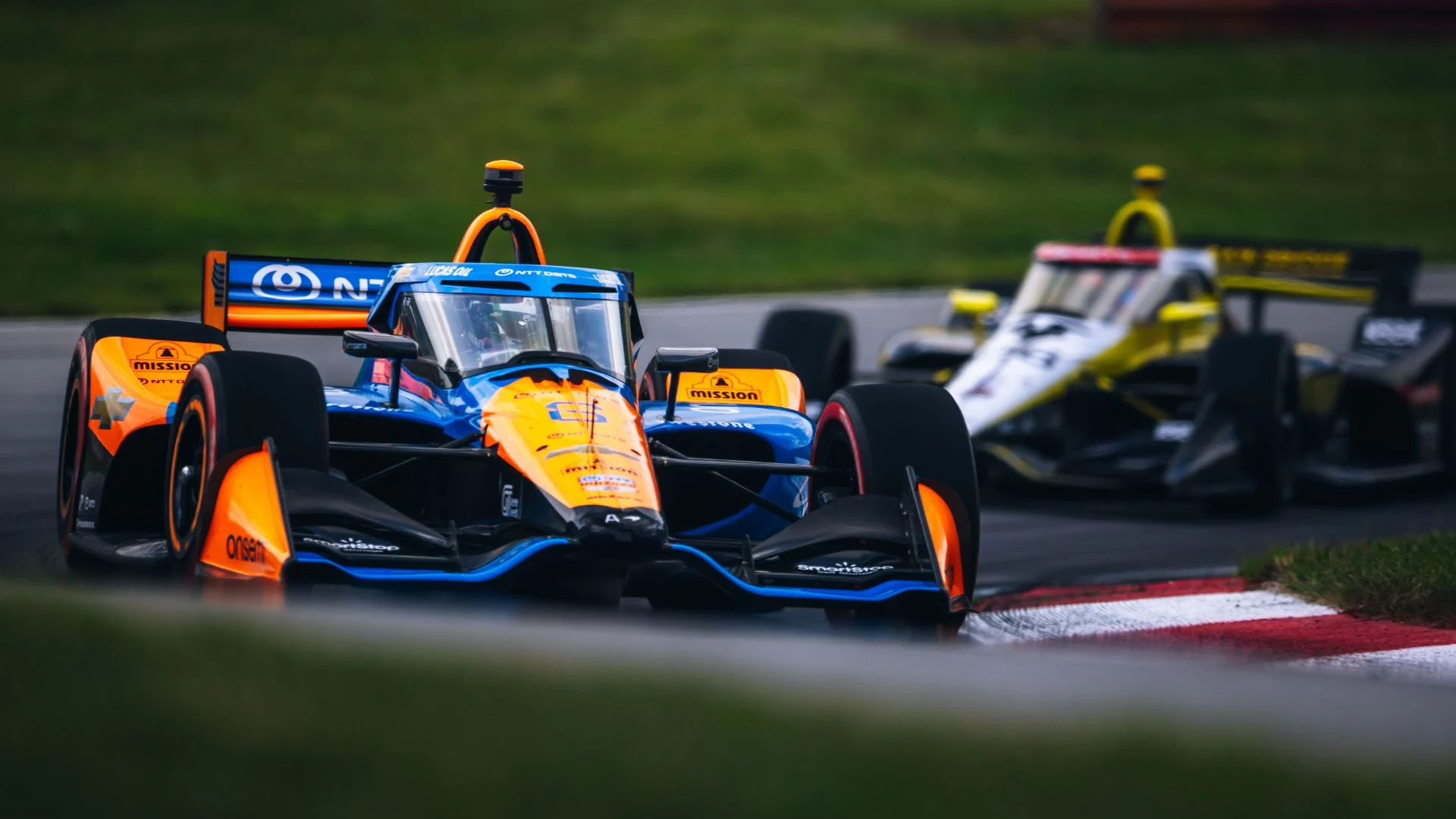
On Fridays, cars hit the track for a practice day. The goal is to roll off the transporters with a race-ready car; however, that’s not always the case. Each practice session gives the team more information on how to best tweak the Arrow McLaren Chevrolets to the drivers’ fitting and the track’s liking.
Saturdays are qualifying days. Scroll a little more and you’ll get the nitty gritty details. In short, qualifying is when each driver on the grid tries to lay down their fastest lap to secure the best starting position for the race.
Sunday, of course, is race day. It’s time for a final warmup with pit stop practice, last minute engineering meetings, driver intros, the command to start engines and then the green flag waives. Buckle up for two-plus hours of thrilling, wheel-to-wheel action.
And, if you're lucky, you end Sunday with a champagne shower, a new piece of hardware and a happy plane ride home.
Like other open-wheel series, the NTT INDYCAR SERIES championship standings are determined by a points system. Each race weekend, drivers can score points in three different categories, based on their performance in qualifying and the race. The majority of points are scored on race day, starting at 50 points for the winner, down to five points for those who place 25th and beyond.
Check out our Explained: NTT INDYCAR SERIES Points System guide for a deeper dive into the intricacies of points.
Fun fact: Unlike in Formula 1, every driver is awarded points on race day. Start the race, collect your points!
The beauty of the NTT INDYCAR SERIES is its diverse calendar, which features a famed 2.5-mile oval, short ovals, six road courses and six street circuits. The varying tracks offer nothing short of a unique racing and viewing experience each race weekend across the 18-race calendar.
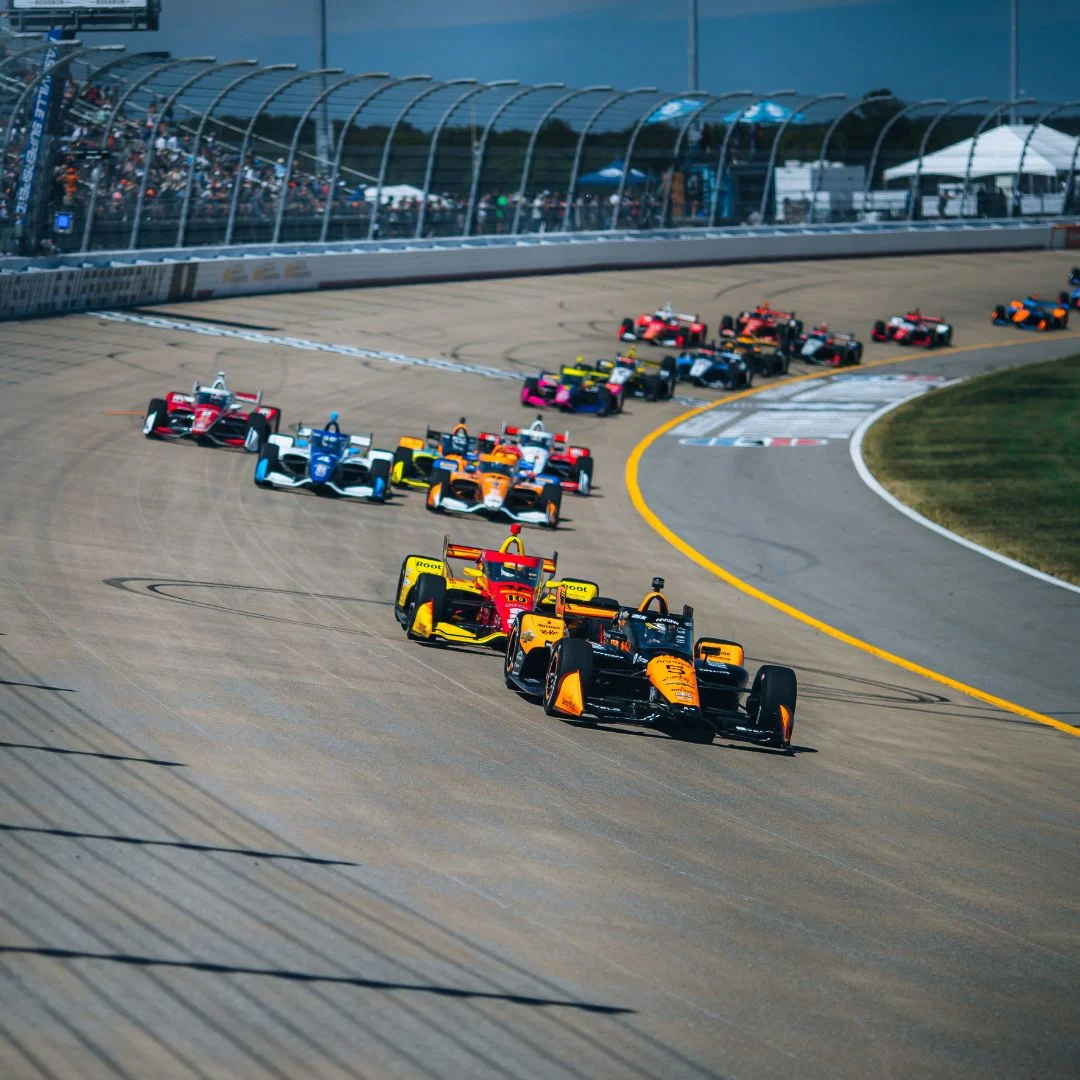
Picture yourself traveling over 200 mph — even topping 240 mph in qualifying at the Indianapolis 500 — with only inches between your tires and the car beside you, sustaining that intensity for nearly three straight hours. That’s what makes oval racing so extraordinary.
Ovals in the NTT INDYCAR SERIES are the most dangerous and mentally intense races for the drivers. They must withstand five G’s of force on their bodies, while trying to avoid the slightest touch of a wall, another car or even a shift in the wind. To put this into perspective, astronauts experience about three G’s during a rocket launch.
Qualifying format varies depending on the circuit type. On street and road courses, the qualifying format is a three-round knock-out system. The first round divides the drivers into two groups with each taking the track for eight minutes. The drivers try to put down their fastest lap time with the top six in each group moving on to Round 2.
Once the fastest 12 is determined, teams make slight adjustments and tire changes, hoping to push the car even harder. Drivers need to secure a top-six lap to advance to the final round called the Firestone Fast Six.
Teams now look at the data, finalize their last adjustments, choose their best available tires and decide when is best to put down the fastest lap in the final six-minute session. This round is all about pushing the car to the limit, but doing it within the proper constraints of time, tire degradation, track temperature and potential incidents. Strategy is everything.
The fastest car in the Firestone Fast Six gets the coveted pole position and starts the race with the best view on race day.
Oval qualifying is a different story. Each driver will line up on pit lane and one by one take the track for their qualifying attempt. Each driver gets three laps total (or four total laps at the Indy 500): one to warm up the car and the second and third at max speed. That two-lap averages determine the ultimate starting order, so the pressure is on to deliver perfect laps.
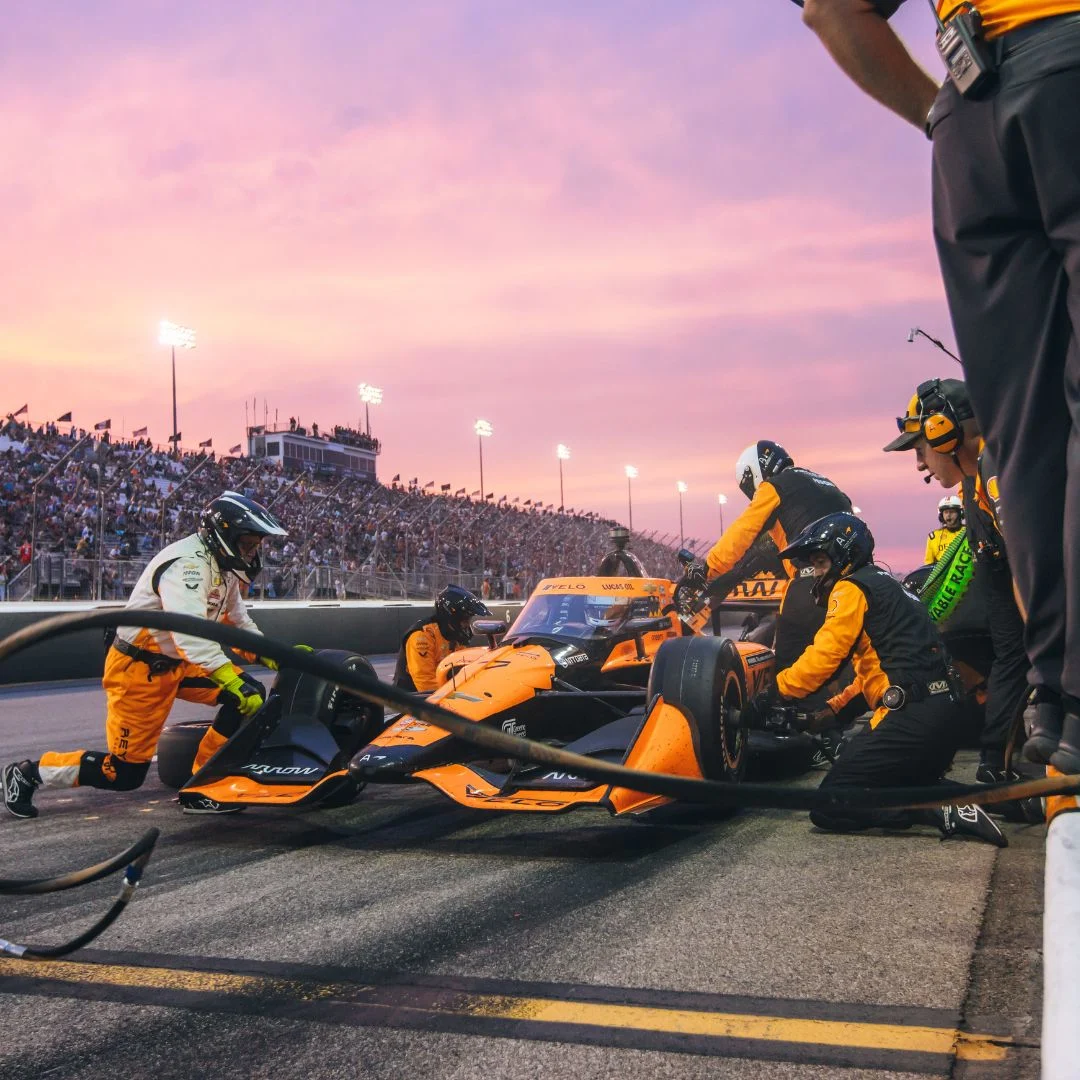
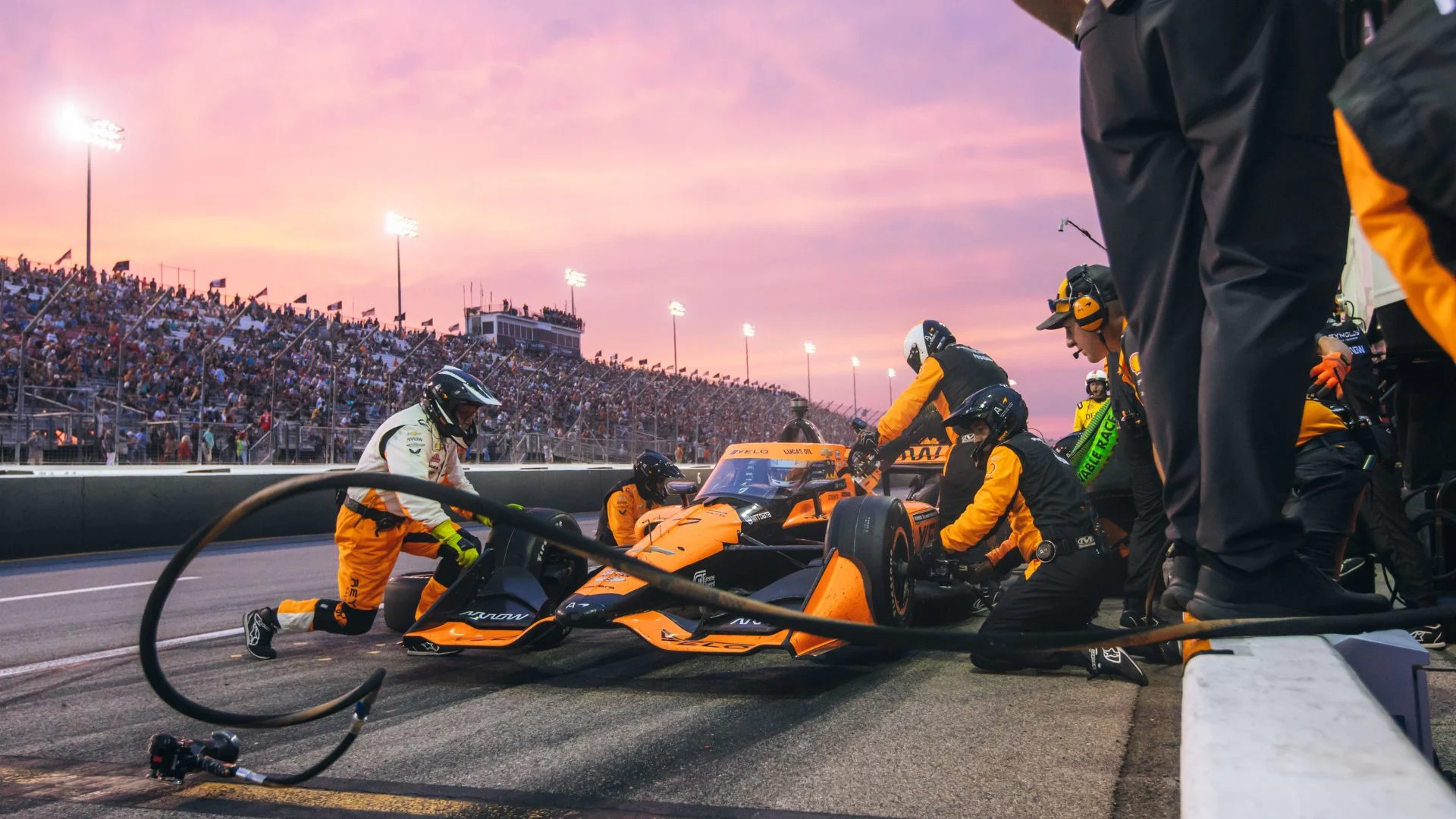
In INDYCAR, pit stops can make or break your race. The timing of pit stops and what adjustments you’ll make to the car are vital decisions, potentially altering a team’s race strategy drastically.
Even during pit stops, speed is the name of the game. In and out laps by the driver are critical, just the same as the seven crew members jumping over the wall. As the car rushes into the pit stall, the crew springs into action to change tires, refuel and adjust the wings – all in under seven seconds. Meanwhile, a driver could be lapped on track, potentially losing precious positions depending on pit stop timing. Do you follow the same stop sequence as the race leaders or are you off strategy?
All to say, races can be won, or lost, on pit lane.
And that’s before we even mention tire choices.
Yes. Let's break down each.
Primary: The most-used tire choice is the primary compound. These tires last for longer stints and are used on all three types of tracks: street, road and oval. They have the best balance between speed, cornering and durability.
Alternate: These tires are composed of a softer compound, allowing them to warm up to the proper temperature faster than the primary. This creates more grip on track, allowing faster speeds and quicker cornering. These tires are usually used for shorter stints as they have quicker wear time, unless the driver can manage tire wear and extend them to the same length as the primary tire.
Wet: Cue the rain. Just as the name suggests, these tires are designed to run in wet conditions, featuring a grooved tread pattern that improves grip, control and prevents hydroplaning. Rain tires are only used on road and street courses, as the teams won't drive them on ovals due to the danger of constant high speeds and wear.
The tires chosen during each race’s pit cycle can make or break a team’s strategy. They will determine if you're at the same speed, faster or slower than other race cars and when you need to come back into the pits. In short, it’s a big deal.
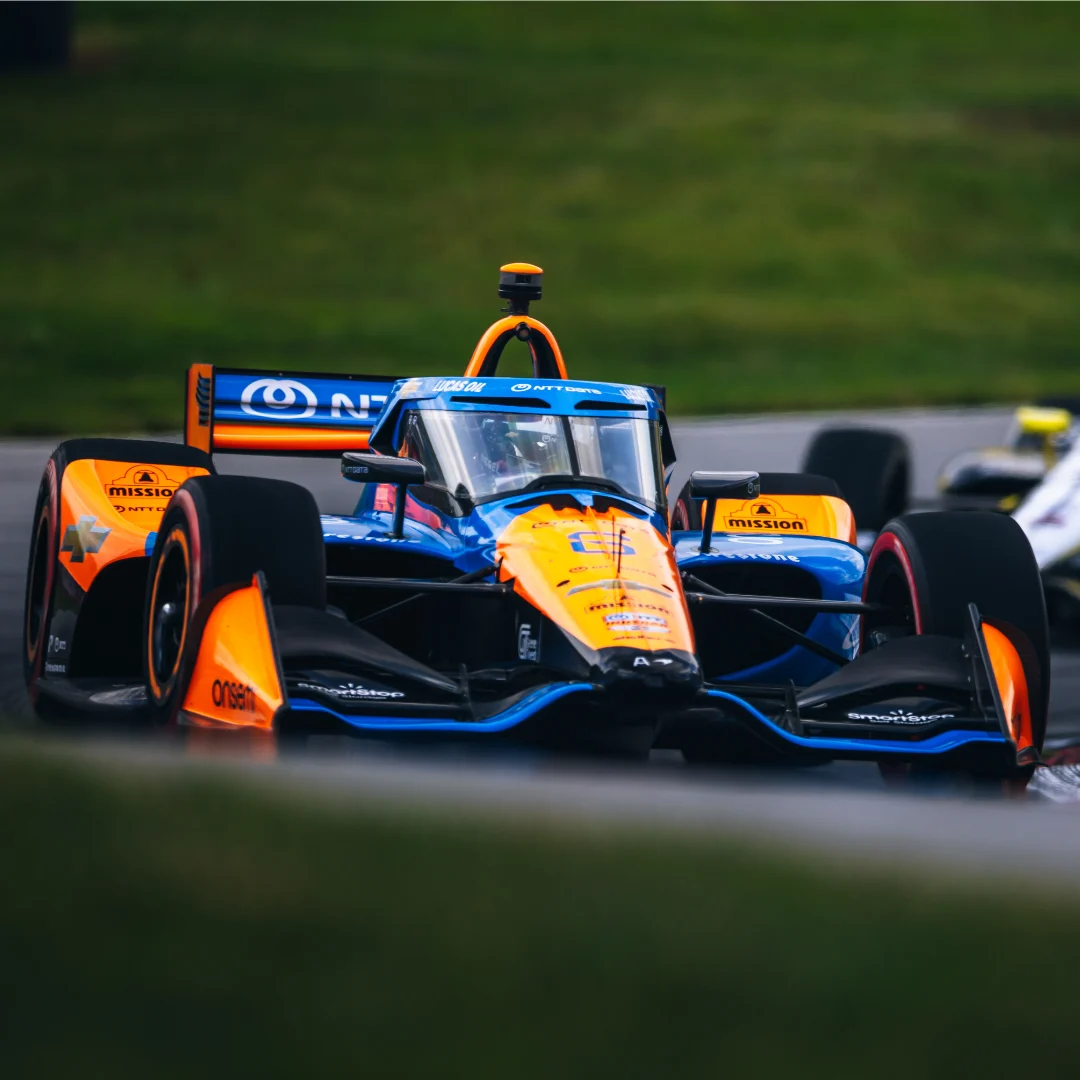
Push-to-pass, also referred to as ‘P2P,’ is commonly compared to Drag Reduction System (DRS) used in Formula 1 due to its similar purpose of aiding drivers in overtaking. However, there are a few notable differences to highlight. Activated by a dedicated button on the steering wheel, the push-to-pass system in the NTT INDYCAR SERIES triggers an engine power boost, versus the aerodynamic advantage of DRS in F1. This P2P feature can also be used to overtake and defend against other cars on track.
Each driver is allotted the same number of seconds to use throughout the race, with a maximum number of seconds being allowed per activation. Unlike DRS, P2P can be used at any point and time during the race. Talk about adding a new level of excitement and unpredictability to race strategy!
Introduced at Mid-Ohio Sports Car Course in 2024, the hybrid system was instituted as another tool for drivers to deploy to gain and defend track position. The power unit, located between the engine and gearbox of the INDYCAR, is made up of the Motor Generator Unit (MGU) and Energy Storage System (ESS).
Similar to a hybrid road car, it takes the heat from braking and turns it into usable horsepower on other sectors of the track. The hybrid system ultimately adds to the already-existing push-to-pass capabilities, increasing the chances for overtakes on road and street courses.
Maybe the best feature? If a car is stalled on track, drivers can quickly restart the car rather than needing a restart from the AMR Safety Team. That means less time waiting and more time racing.
There are currently 10 full-time teams running in the NTT INDYCAR SERIES: Andretti Global, AJ Foyt Racing, Arrow McLaren, Chip Ganassi Racing, Dale Coyne Racing, Ed Carpenter Racing, Juncos Hollinger Racing, Meyer Shank Racing, Rahal Letterman Lanigan and Team Penske.
This is where it gets a little complicated. The NTT INDYCAR SERIES has 25 full-time entries, but sometimes those entries aren’t always the same driver. There are a few occasions where drivers only run street and road courses, not the ovals and vice versa. To add to that, there will be an additional eight entries (or more) when it comes to the Indy 500 when only 33 ultimately gain a chance to compete in the Greatest Spectacle in Racing.
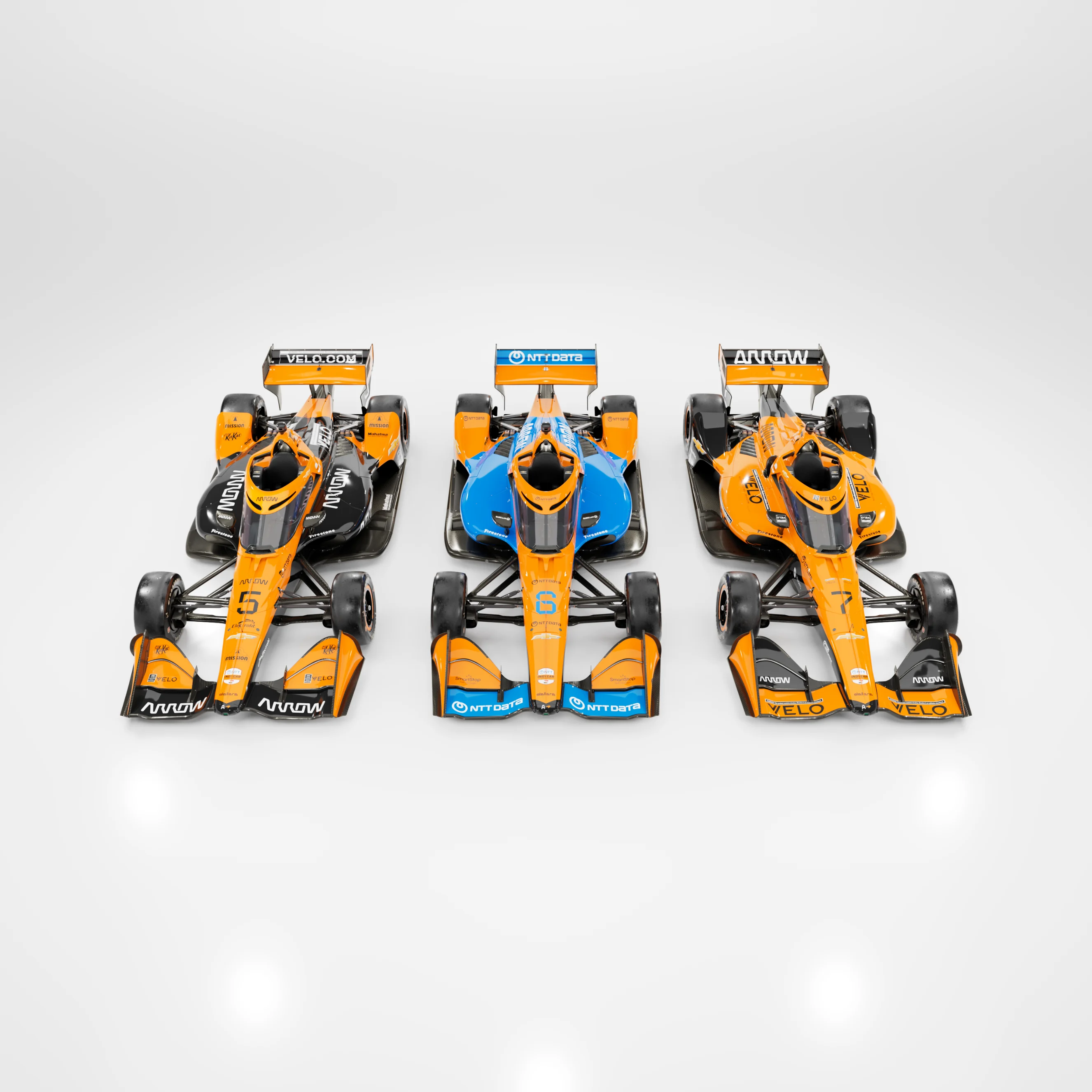
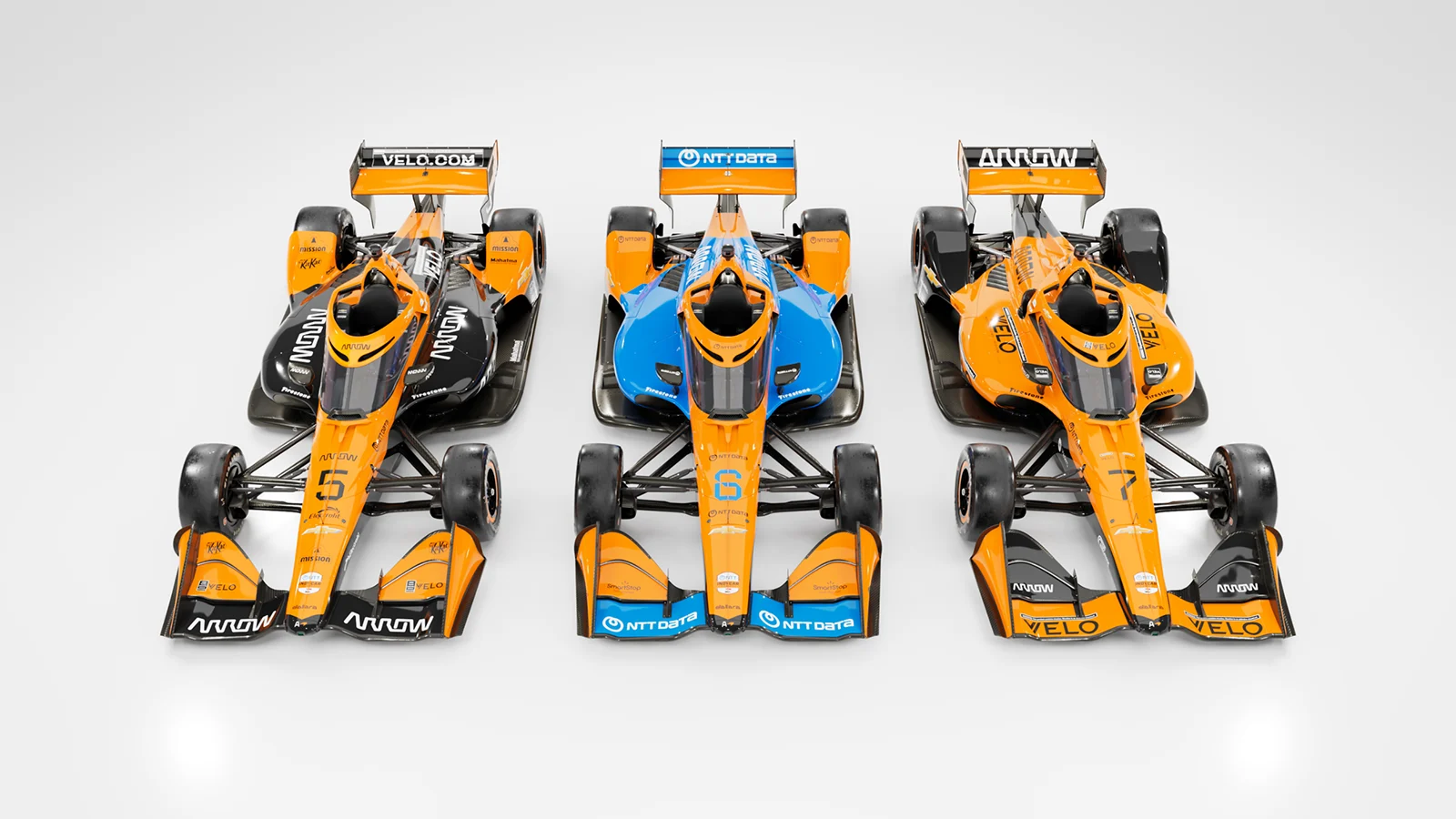
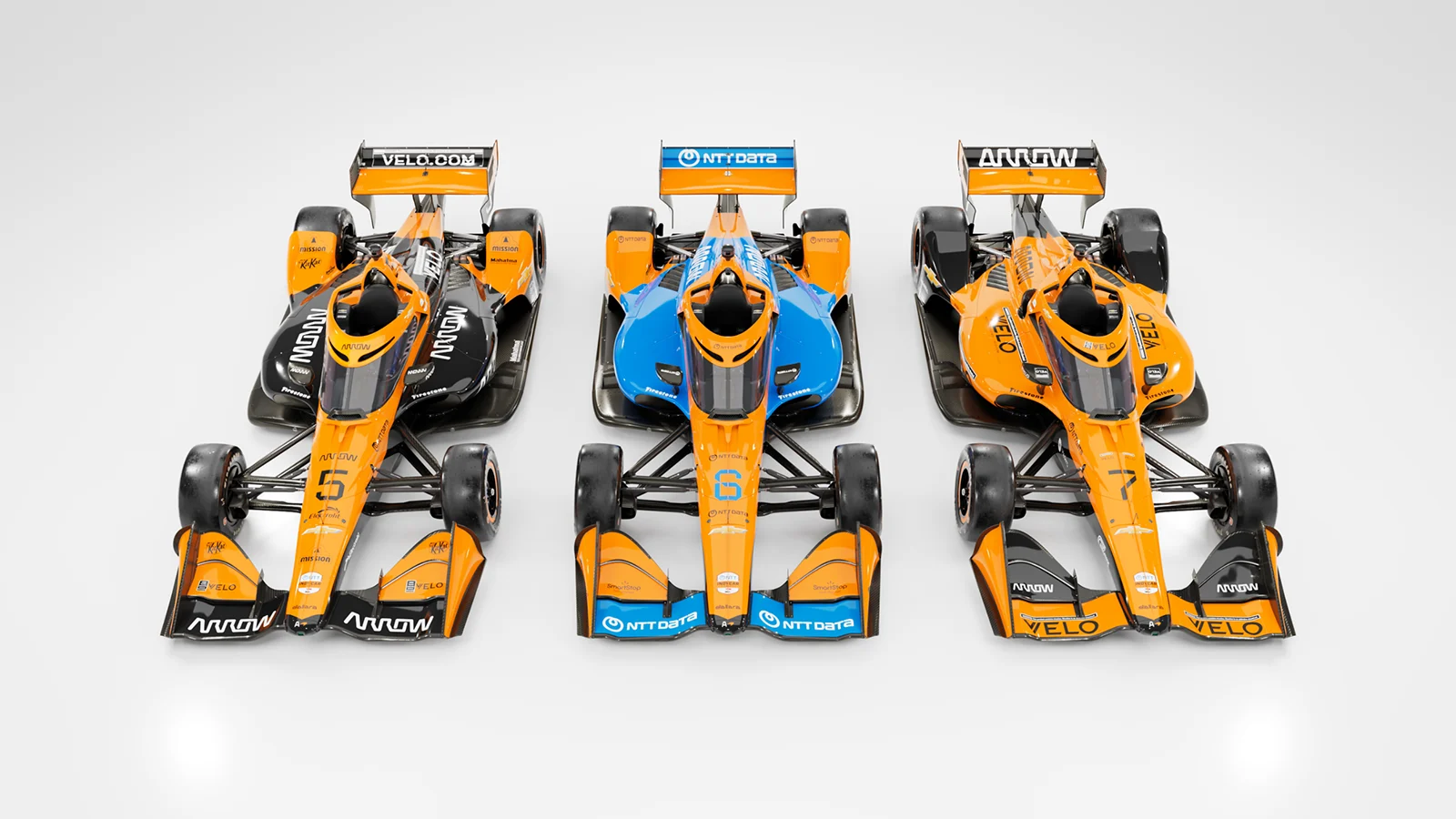
In 2026, we return all three drivers following our most successful season to date (2 wins, 12 podiums plus second and fifth-place finishes in the championship):
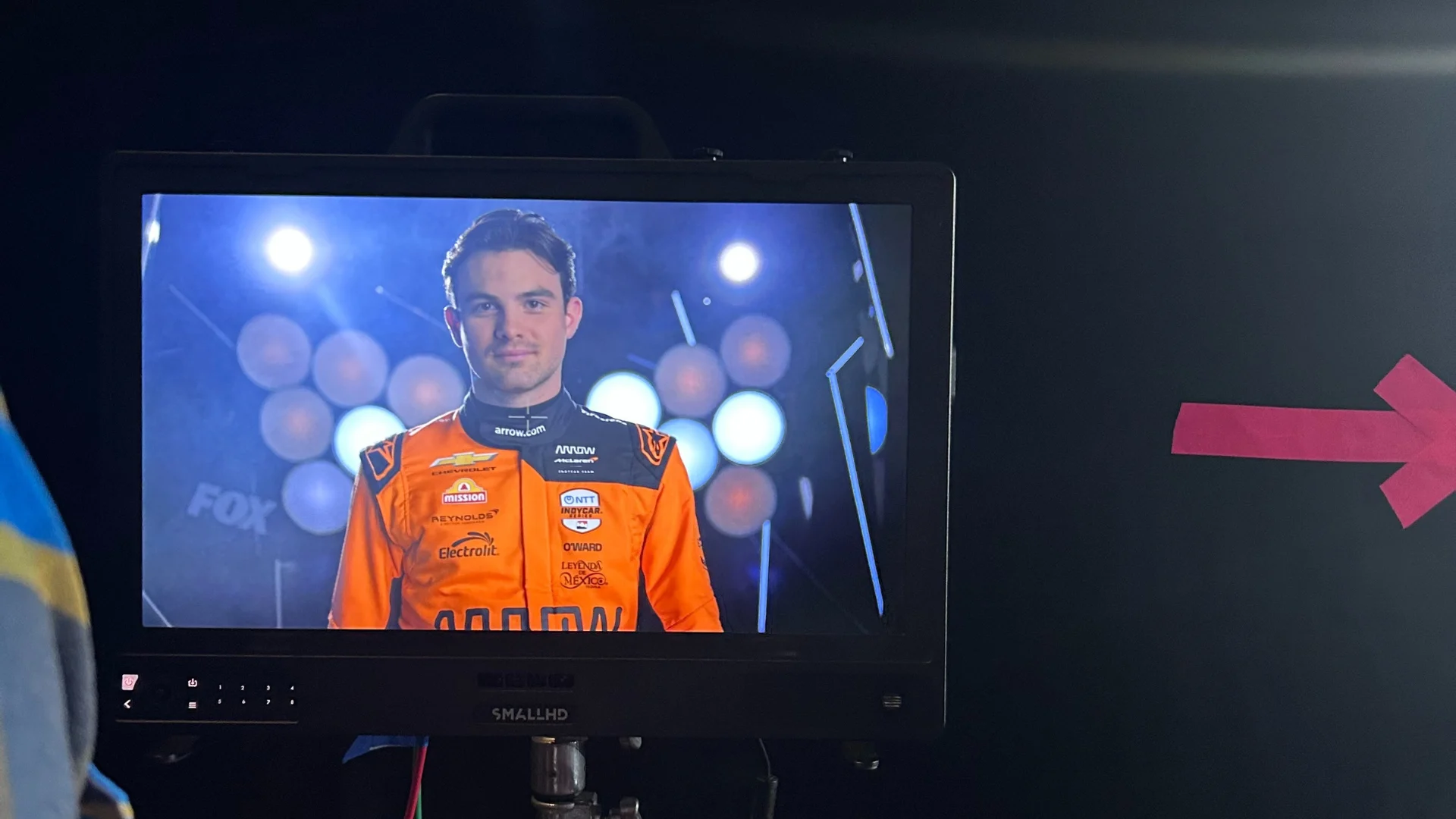
In the No. 5 Arrow McLaren Chevrolet, Pato O’Ward is the team’s longest-tenured driver after joining in 2020 and has certainly made his mark in the NTT INDYCAR SERIES. Over the past six seasons, “Mr. Fast Hands” has secured nine wins, 31 podiums and seven poles.
In 2025, Pato tallied two wins and six podiums on the way to a second-place finish in the NTT INDYCAR SERIES championship (a career best). In 2026, he aims to contend for more wins, podiums and the ultimate prizes – an Indy 500 victory and a championship.
Nolan Siegel will again pilot the No. 6 Arrow McLaren Chevrolet in 2026. At just 21 years old, Nolan is the youngest driver on the grid. An emerging talent, in 2025, the California kid notched two top-10 finishes and two appearances in the Firestone Fast 6. Prior to 2025, Nolan won the LMP2 Class at the 2025 24 Hours of Le Mans and the 2023 INDY NXT Rookie of the Year award. And, maybe most impressively, he’s a renaissance man with hobbies including playing the guitar, flying planes and sailing.
Christian Lundgaard also returns for a second Arrow McLaren season in the No. 7 car. Entering his fifth full NTT INDYCAR SERIES season, Christian boasts a win on the streets of Toronto in 2023, three pole positions and nine podiums. Last season, he finished a career-best fifth in the season championship after posting six podium finishes. When he’s not racing, Christian can probably be found on the golf course.
The NTT INDYCAR SERIES is commonly called a spec racing series, where all cars must use the same major spec components including chassis (the Dallara IR-18) and aero kit. Each car is powered by a 2.2-liter twin-turbocharged V6 engine supplied by either Honda or Chevrolet. Beyond the spec components, there are many elements on the car that are open to innovation and team development.
Learn more about the car here.
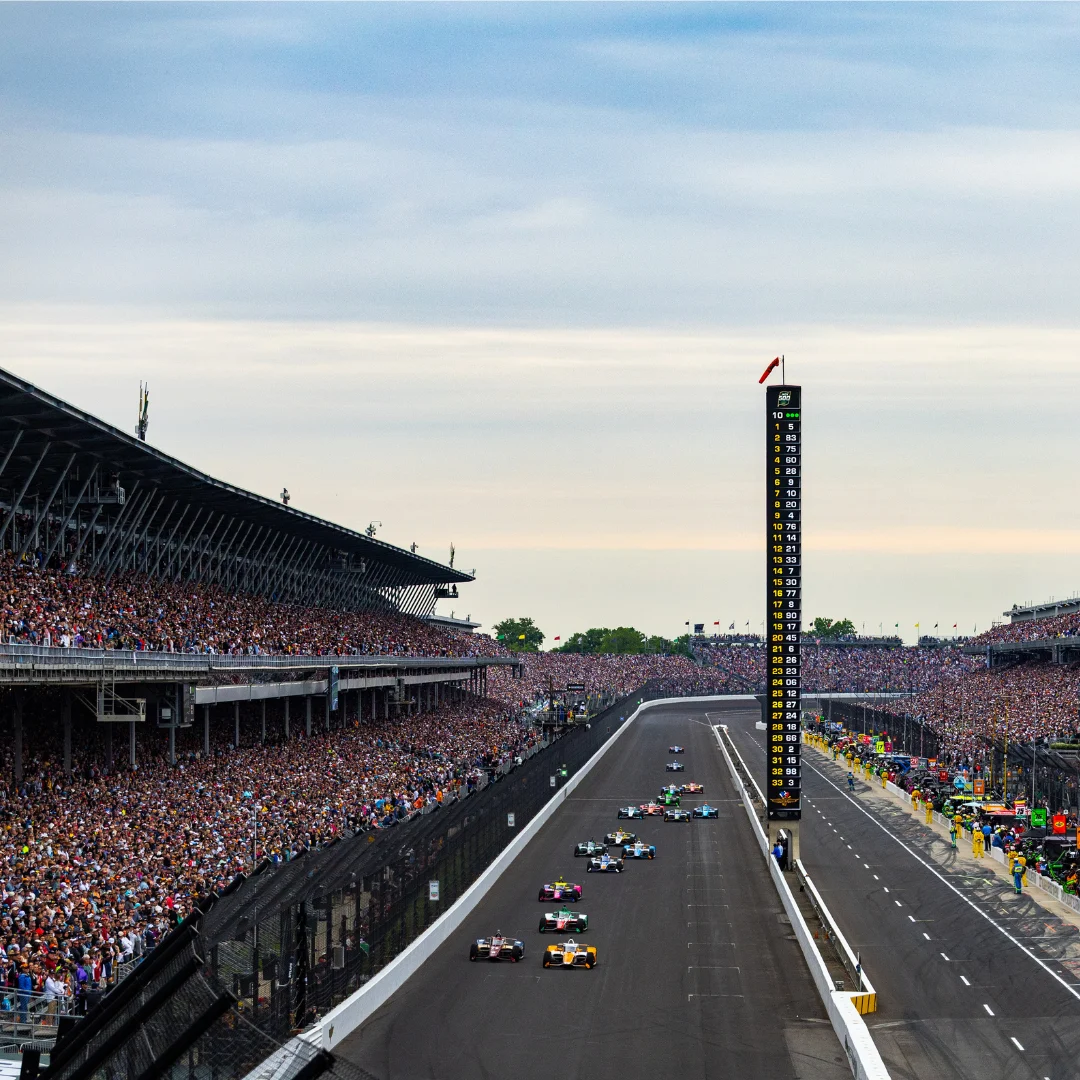
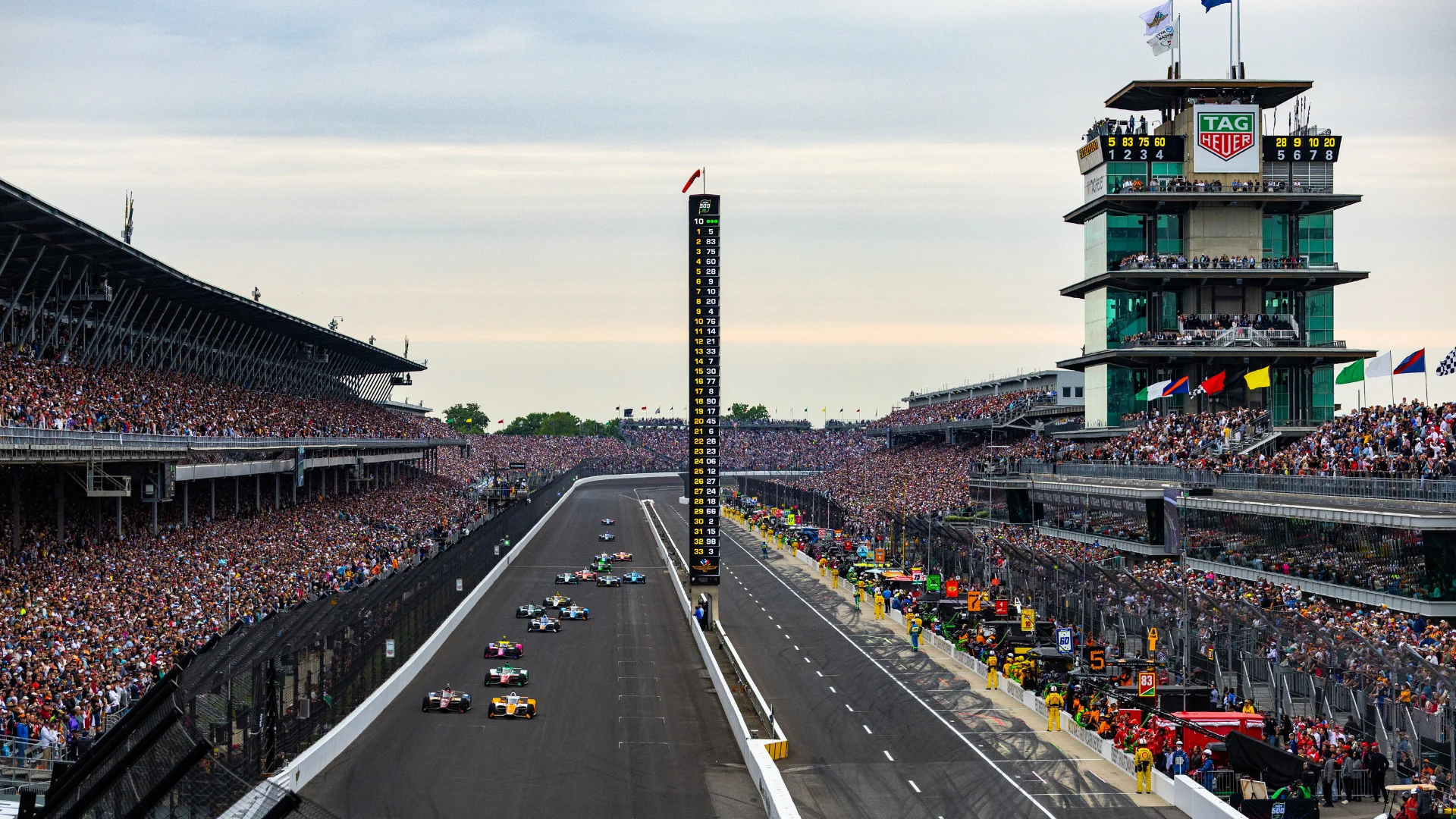
The Indianapolis 500 – known as “The Greatest Spectacle in Racing” takes the cake for the most important race of the season and, arguably, the world. Names like Foyt, Unser, Castroneves, Mears, Andretti, Rutherford, Montoya, Fittipaldi and so many others have won this historic race. Not to mention a more familiar name: Kanaan.
Five hundred miles, 250 laps at 220-plus mph, all aiming for immortality to have their face added to the coveted Borg-Warner Trophy. It doesn’t get any better.
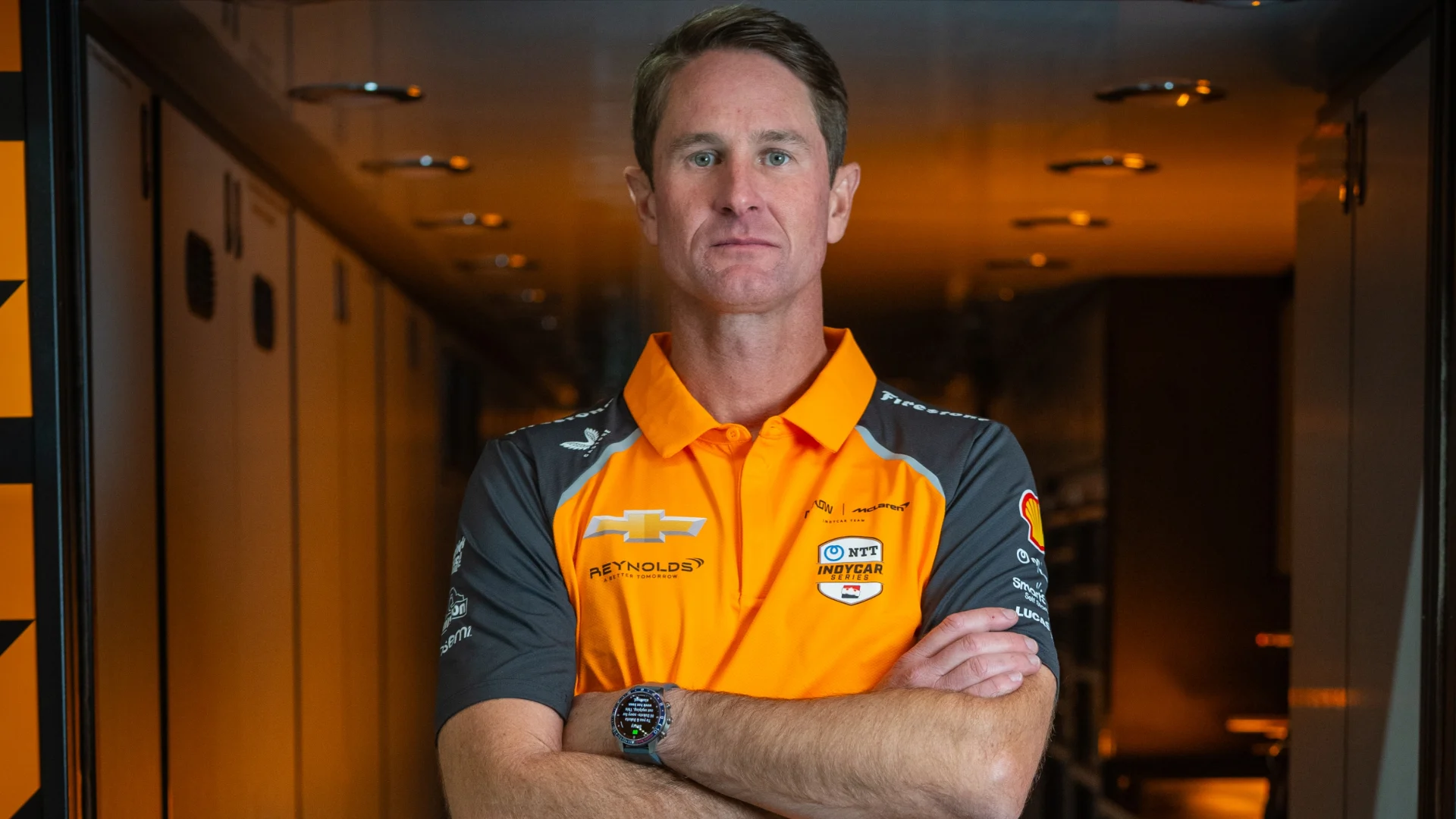
For the 110th Running of the Indianapolis 500 on May 24, our team will run a fourth car piloted by Ryan Hunter-Reay, the 2014 Indianapolis 500 winner and 2012 INDYCAR SERIES Champion. Ryan brings a wealth of experience to the team with 395 INDYCAR starts, 18 wins and 47 podiums over 21 seasons. The veteran will be one of five active drivers competing who boast an INDYCAR SERIES Championship and an Indy 500 victory alongside Scott Dixon, Josef Newgarden, Alex Palou and Will Power.
Ready to get in on the action? United States viewers can watch NTT INDYCAR SERIES races exclusively on FOX. All practices and qualifying sessions will air live on either FS1 or FS2. International viewers can check local listings here. Wherever you are, we have you covered.
Now that you’re all caught up, be sure to follow the team on X, Instagram, Facebook, Threads, and TikTok to stay in the know all season long.