


2 November 2020 16:20 (UTC)
Get the inside scoop from the Emilia Romagna GP weekend
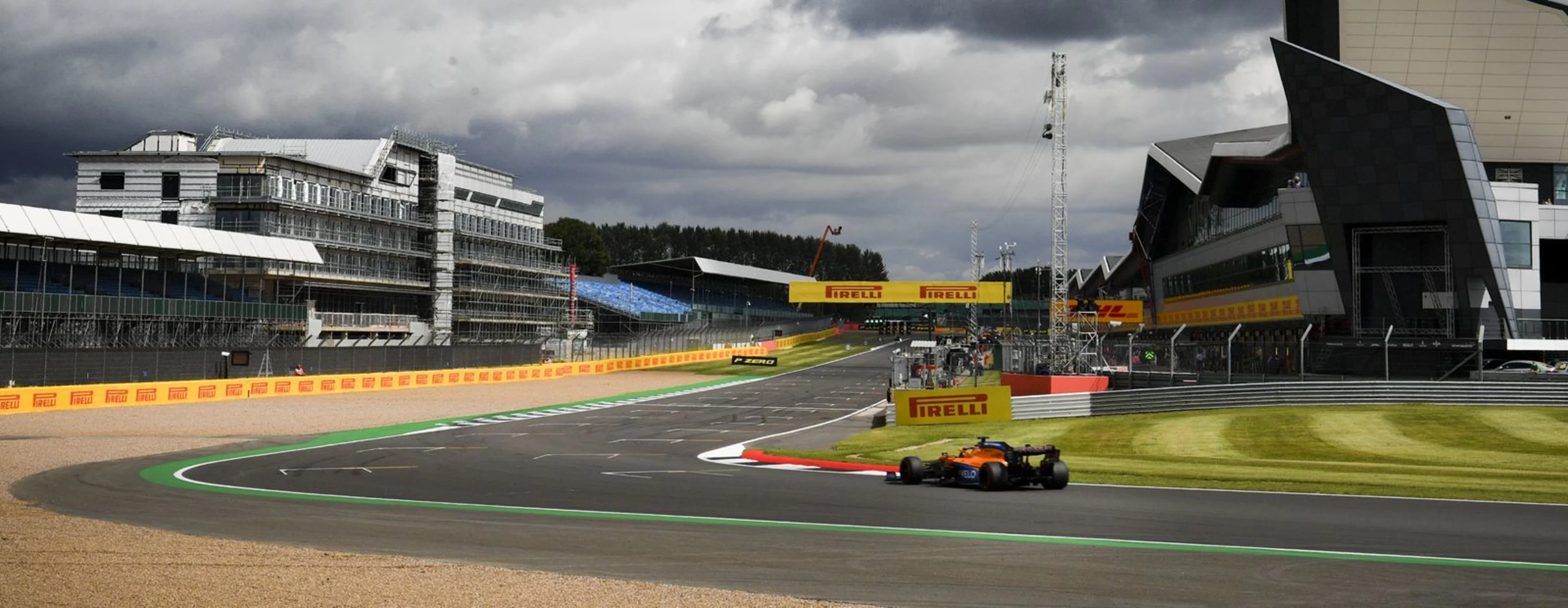
Imola. Or, specifically, the Autodromo Internazionale Enzo e Dino Ferrari on the outskirts of Imola. Formula 1’s third visit to Italy in nine weeks (a record) and the 100th round of the World Championship to be held in Italy (also a record) was always going to be an outlier, even in a season where everything is unusual.
Coming to an unfamiliar, highly technical circuit at an odd time of year was naturally tough – but F1 doubled-down this weekend and launched its first major shake-up of the weekend format for 15 years.
Here’s a few things you may have missed at the first Emilia Romagna Grand Prix.
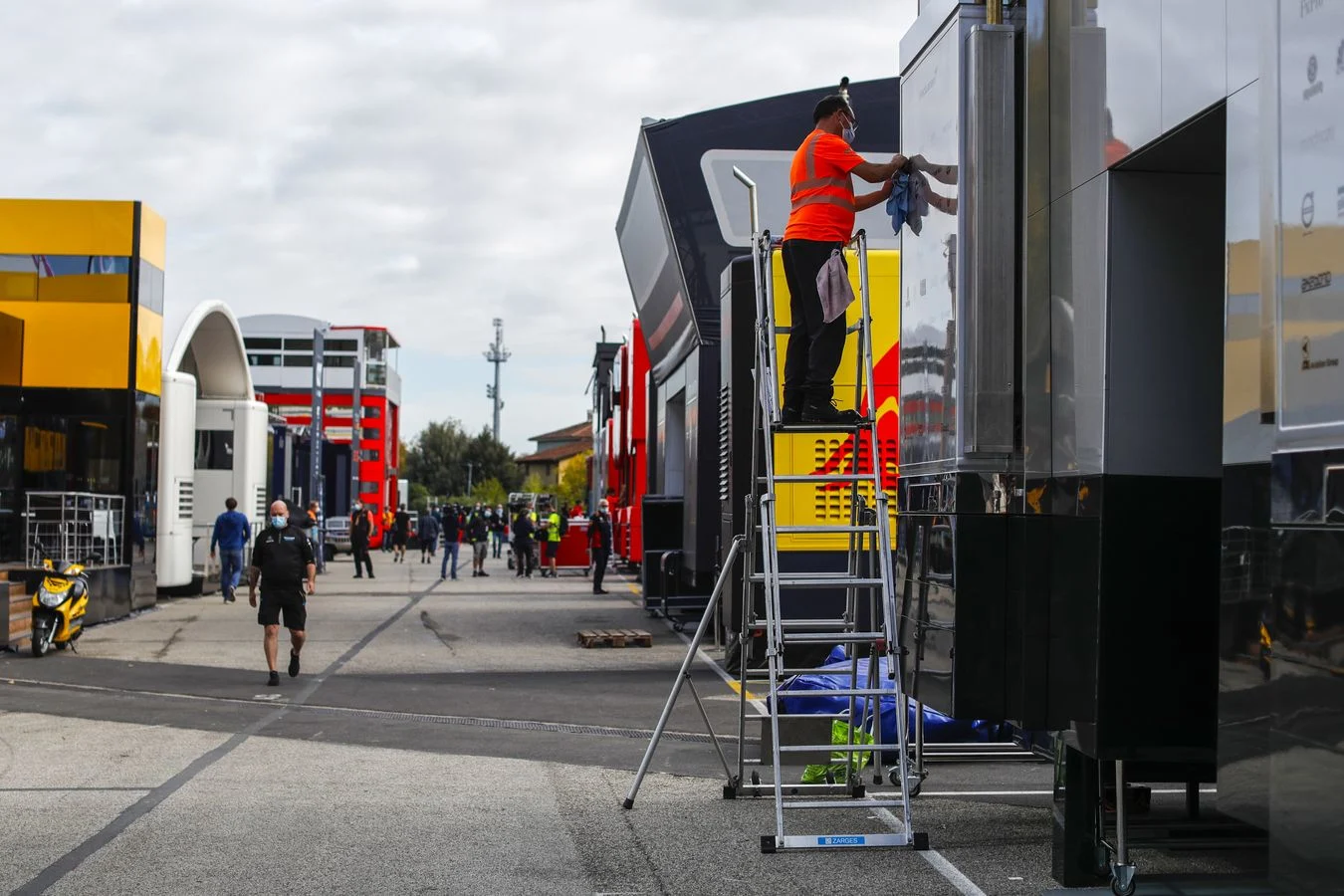
The catalyst for F1’s decision to implement a two-day race weekend was the length of journey between Portimão and Imola. While it makes little difference to everyone travelling on a charter flight, it’s highly significant for F1’s baggage train. Travelling by road, the trip dwarfs the 1600 km between Spielberg and Silverstone (the previous back-to-back benchmark) coming in at 2400 km. Even with a rotating cast of truckies keeping the freight rolling through the night, that’s a long journey. As such, at the start of the weekend, when everyone in the garage began work, the paddock outside was still filled with forklifts and high-vis vests. The shortened programme, incidentally, didn’t mean the car crews got a day off – they simply had time to do extra work.
For many younger members of the team it was a first opportunity to visit the famous old circuit; for those of a slightly more mature vintage, it was an opportunity to relive their youth. F1 hasn’t been to Imola since 2006 but the hillside dotted with cypress trees and terracotta roofs revived a lot of memories. Sadly, the need for a strict lockdown in this part of Italy meant the team couldn’t explore the town to see if favourite restaurants were still in business. The distinctly modern alternative of Uber Eats was, however, very popular.
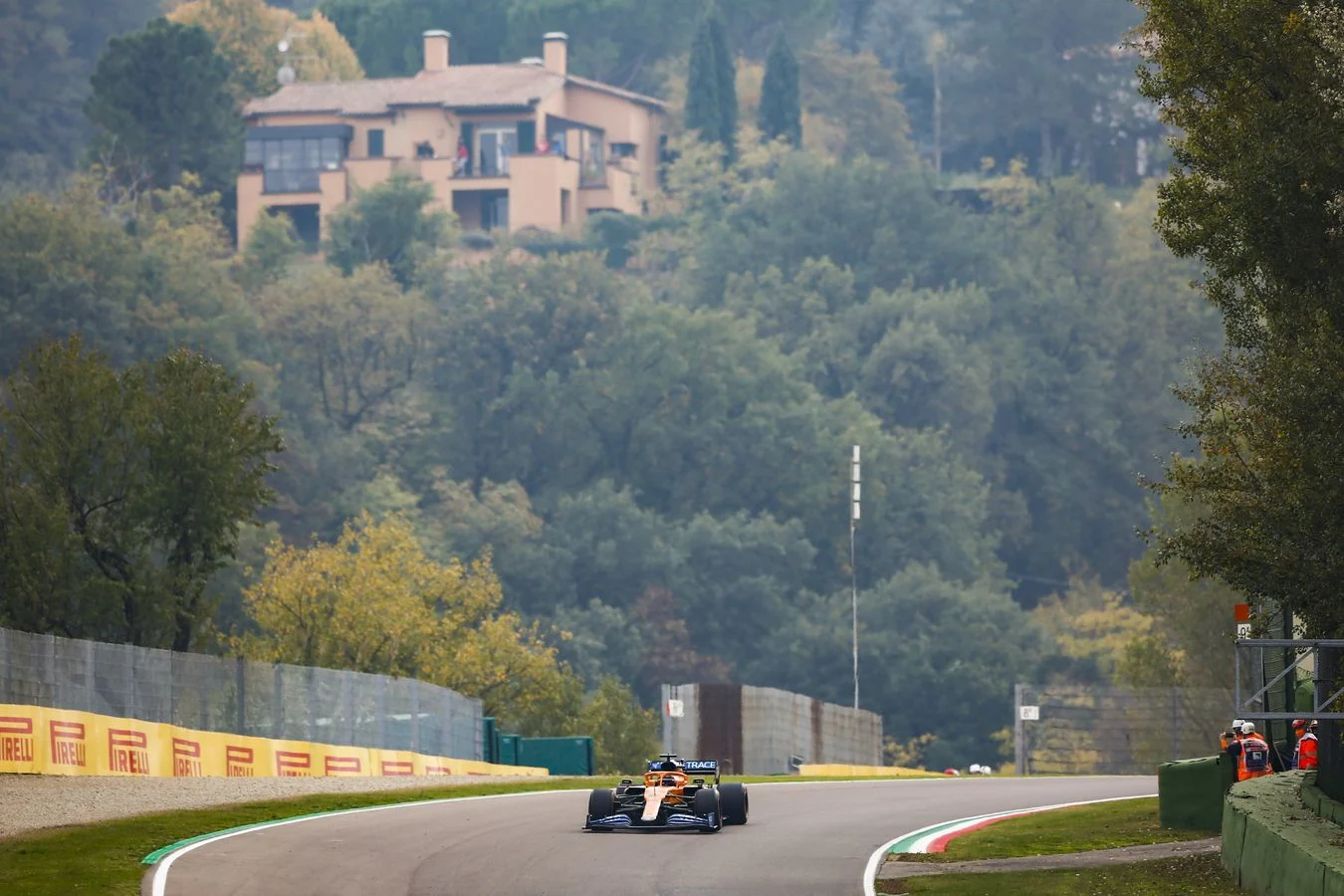
After a dozen grands prix on clockwise tracks, at Race 13 of 2020, F1 finally got to a circuit that goes the other way. Had F1 stuck to the planned calendar, we’d have already sampled anti-clockwise street circuits in Baku, Hanoi and Singapore, plus the permanent track at COTA. Does it make a difference? Having more left-handers than right certainly puts a different set of strains on the drivers’ necks – though fitness levels in F1 are so high now, the drivers rarely comment. It does highlight a few differences among the garage staff, however. Like Harry Beck’s famous schematic map of the London Underground, the race engineers use a simplified GPS track map presented as a circle. Some choose to reverse the direction of travel for anti-clockwise tracks. Half the garage thinks this looks just plain wrong.
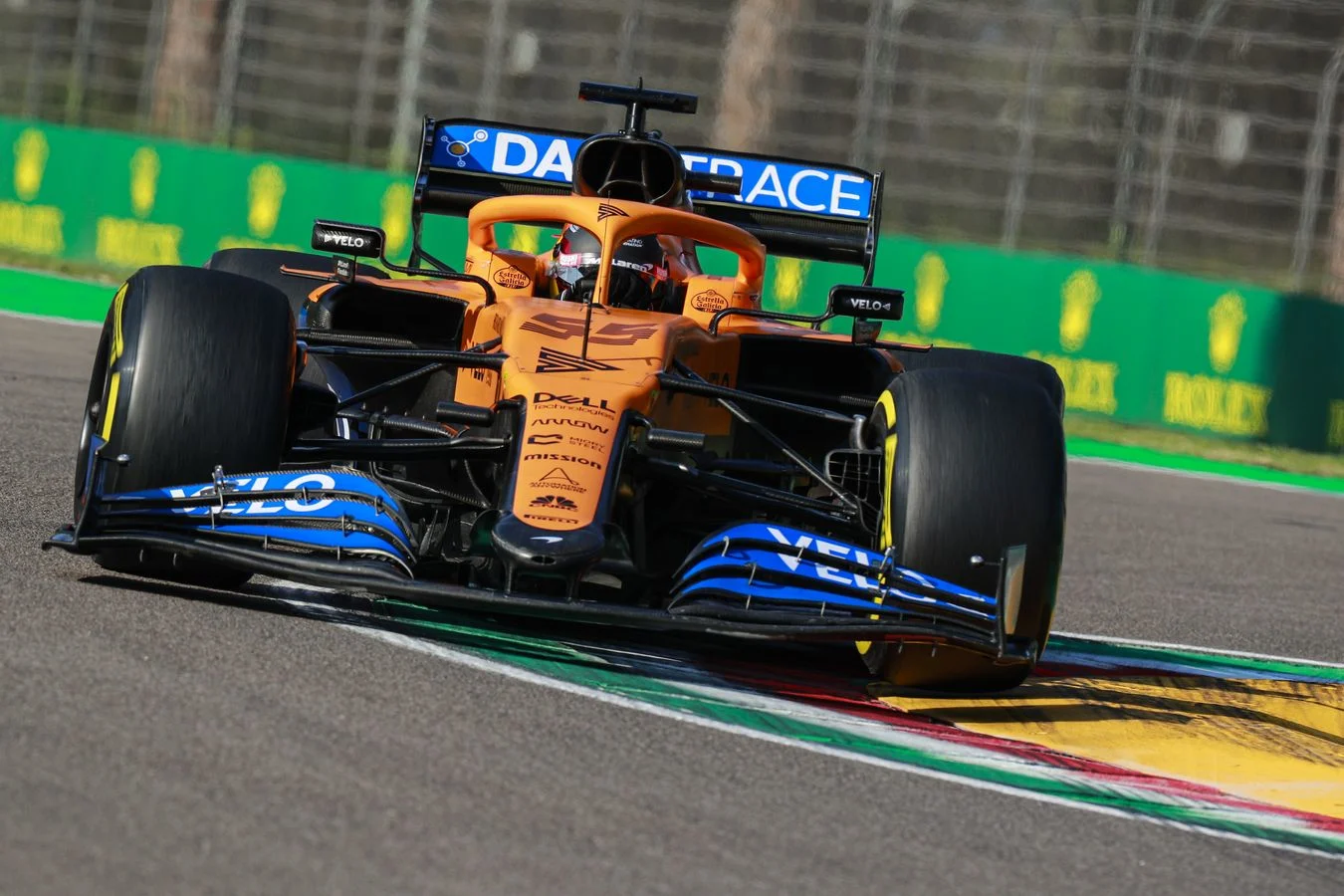
On a normal weekend, practice has a very familiar rhythm. This weekend’s innovative schedule was as exciting as it was unsettling. While the loss of Friday running at the Nürburgring served as a foretaste, this wasn’t quite the same. It’s been twice as long since we were last at Imola, and the circuit has been reconfigured since 2006. Also, the rules governing the session were altered, with the team realistically having three sets of tyres to use. What we got was a strange amalgam of FP2 and FP3 – and even though the programme was designed to fit neatly into the 90 minutes, everyone in the garage moved with a little more haste, like they were chasing the clock.
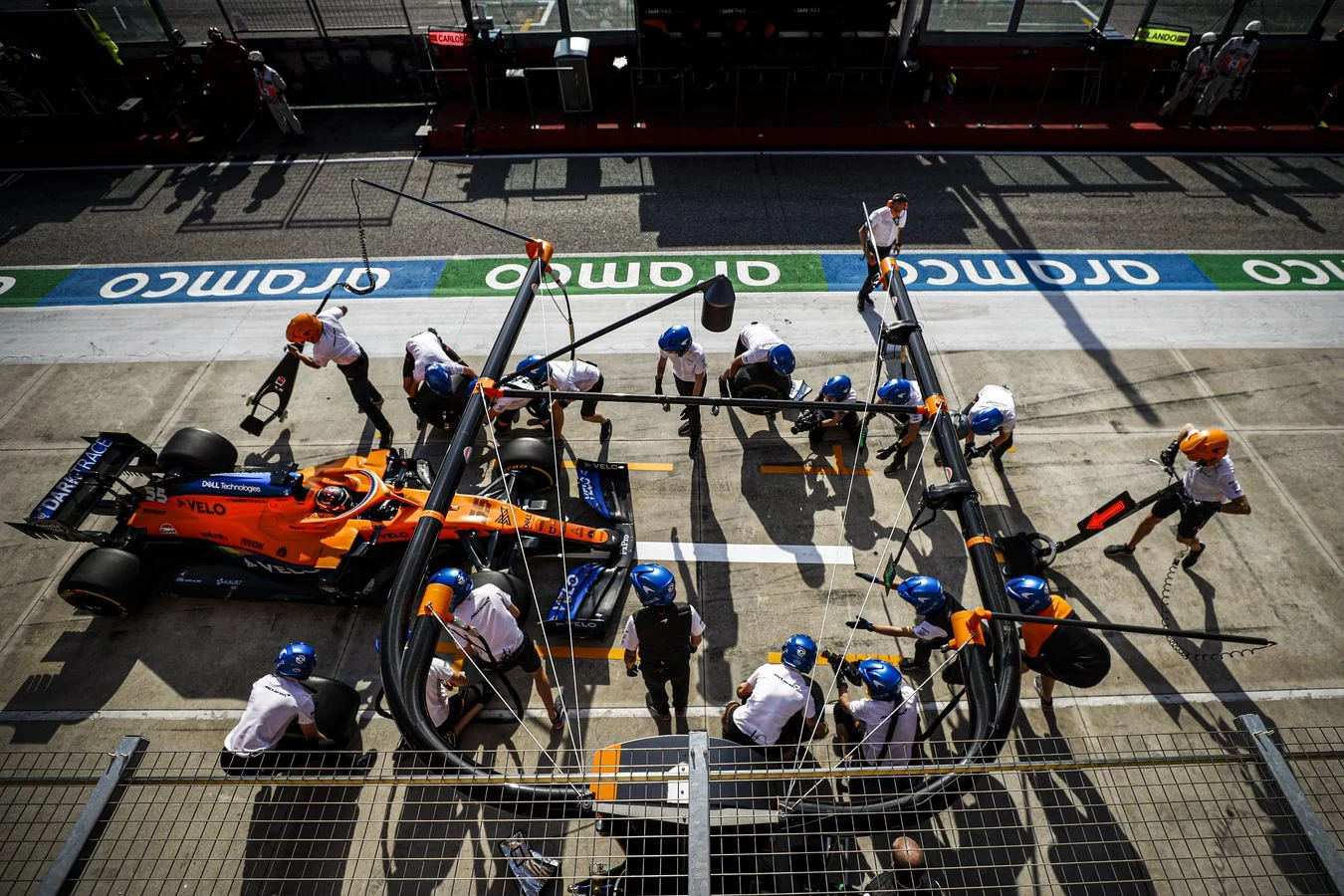
Lando had a small landmark on Saturday afternoon when he progressed through Q1 having used only one set of tyres. It’s the first time he’s done that in a dry session this year. There have been plenty of times when his first attempt has been good enough – but not to the extent of not needing the insurance of a second attempt. Sitting fifth with the clock counting down, Lando fired up and… waited. Drivers have a maximum of five sets of Soft tyres available in qualifying, so saving a set in Q1 allows them to have two fresh sets for the following sessions. The team were confident Lando had done enough – but with a relatively unknown circuit that was getting quicker, it was nevertheless a nervous couple of minutes before he was officially safe.
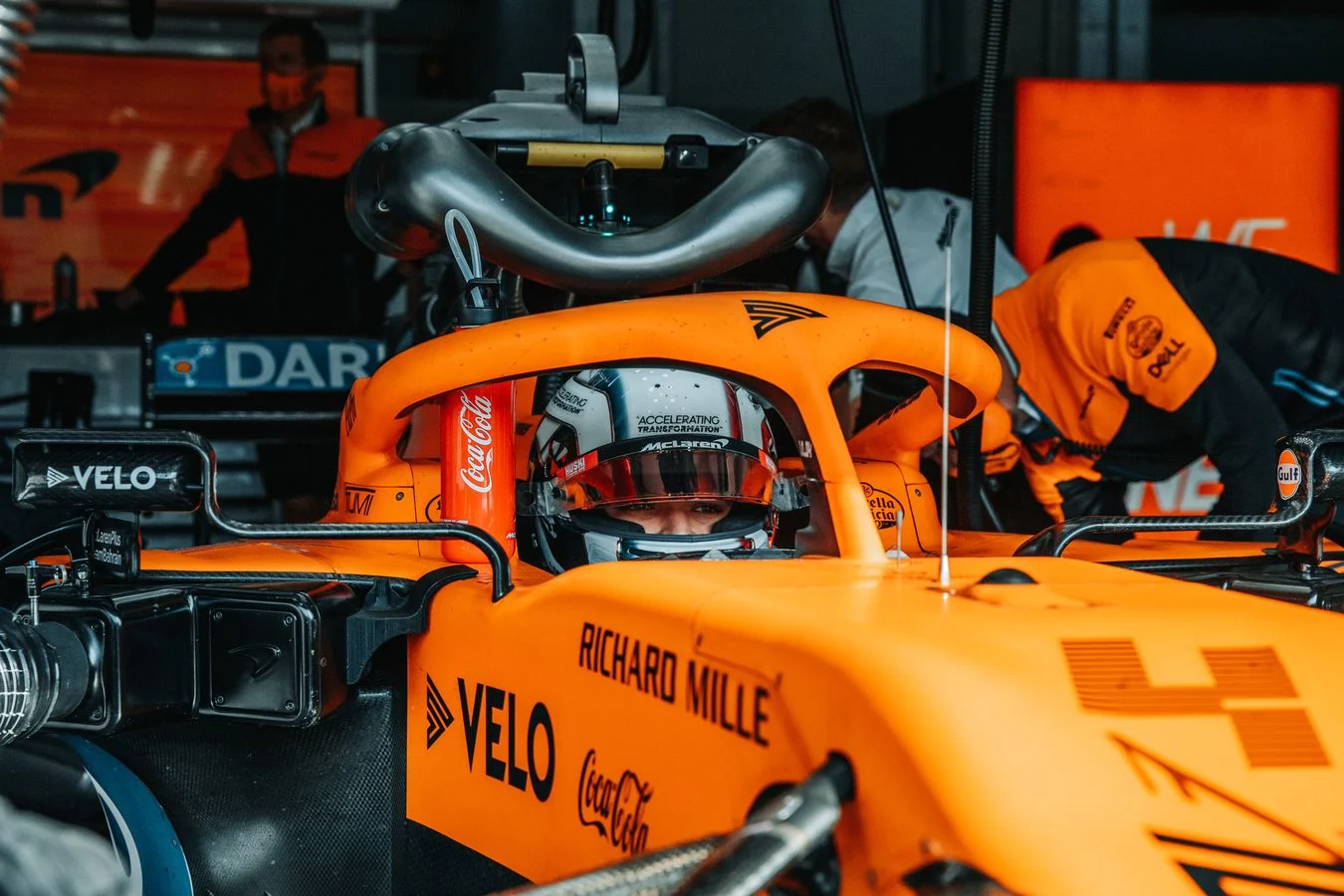
Finishing qualifying ninth and 10th was vaguely unsatisfying in a way that’s difficult to define. Neither driver got the lap badly wrong, and they weren’t upset by flags or traffic – the laps simply failed to ignite. With track position expected to be vital, it was a phlegmatic garage after qualifying. The team would have liked to have been one row further forward and, given a choice, would probably have preferred to be one row further back with the choice of starting tyre – instead it was a case of shrugs and a resolution to make the best of what promised to be a difficult race from the middle of the pack.
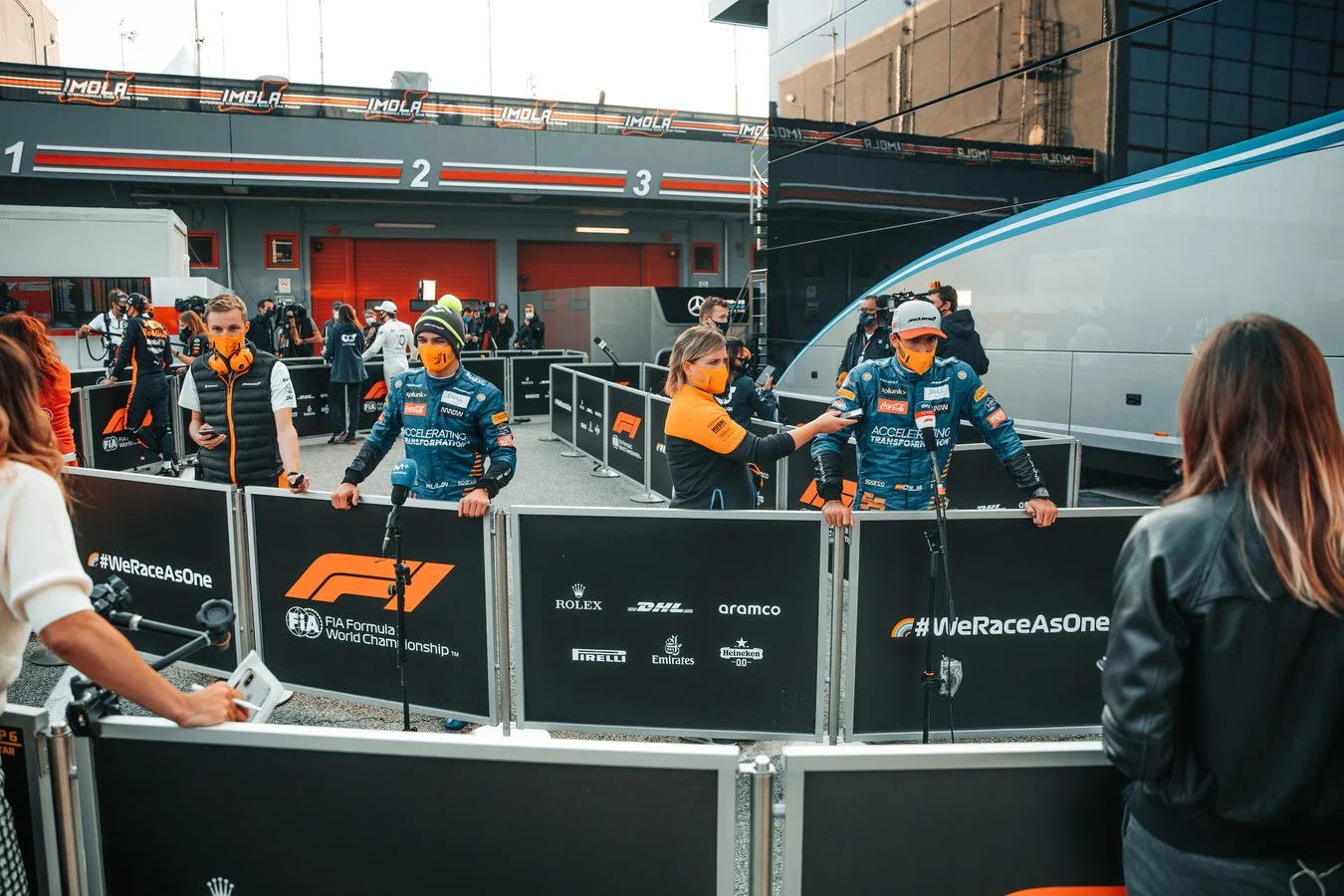
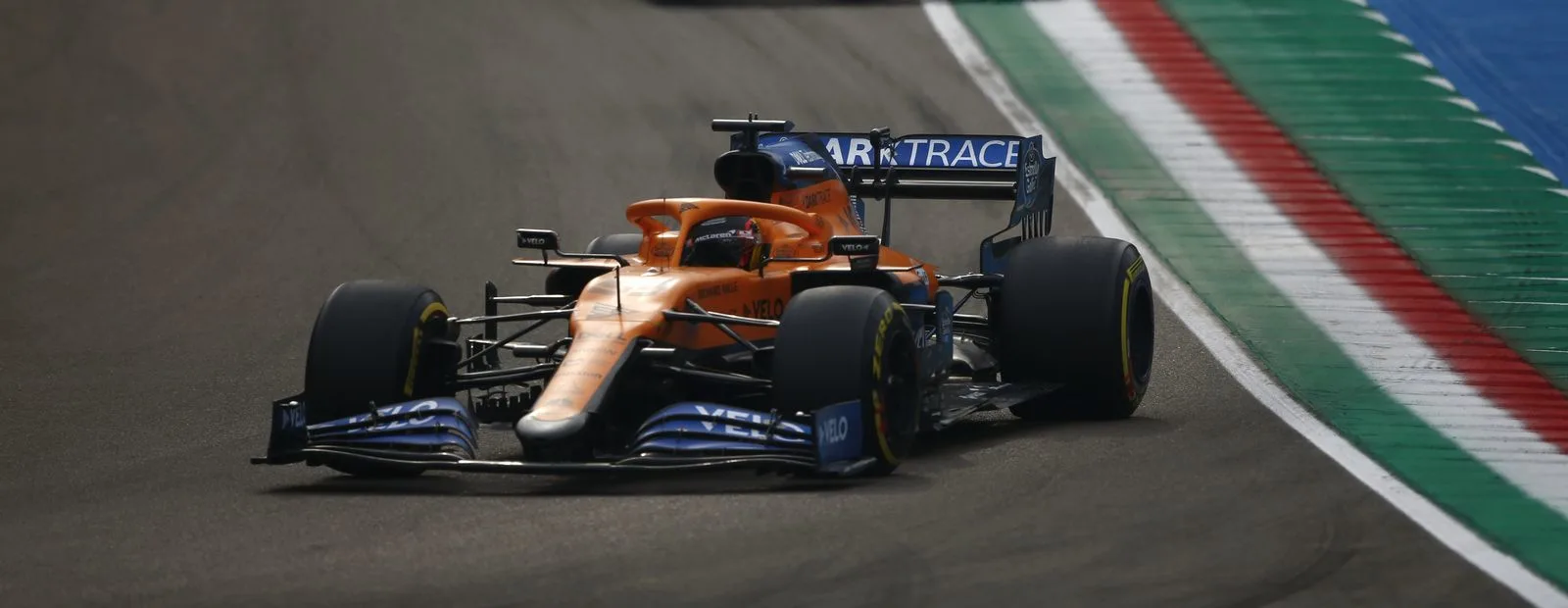
Imola is an old-school venue. It’s narrow, it’s bumpy and it doesn't feature a vast acreage of run-off. It produces the sort of race that is often lauded for a great defence, rather than a dazzling overtake. Correspondingly, while the drivers were very excited by single-lap qualifying, they were often frustrated by the inability to make anything happen in the race, with Carlos at one point venting over the radio about his inability to launch an attack on Daniil Kvyat. This answered one of the questions the team were pondering going into the weekend: since F1 was last at Imola, the cars have gained DRS and a big power boost coming out of corners with ERS. Imola itself has removed the final chicane for car racing, providing a much longer full-throttle main straight. Has any of this made overtaking easier at Imola? No.
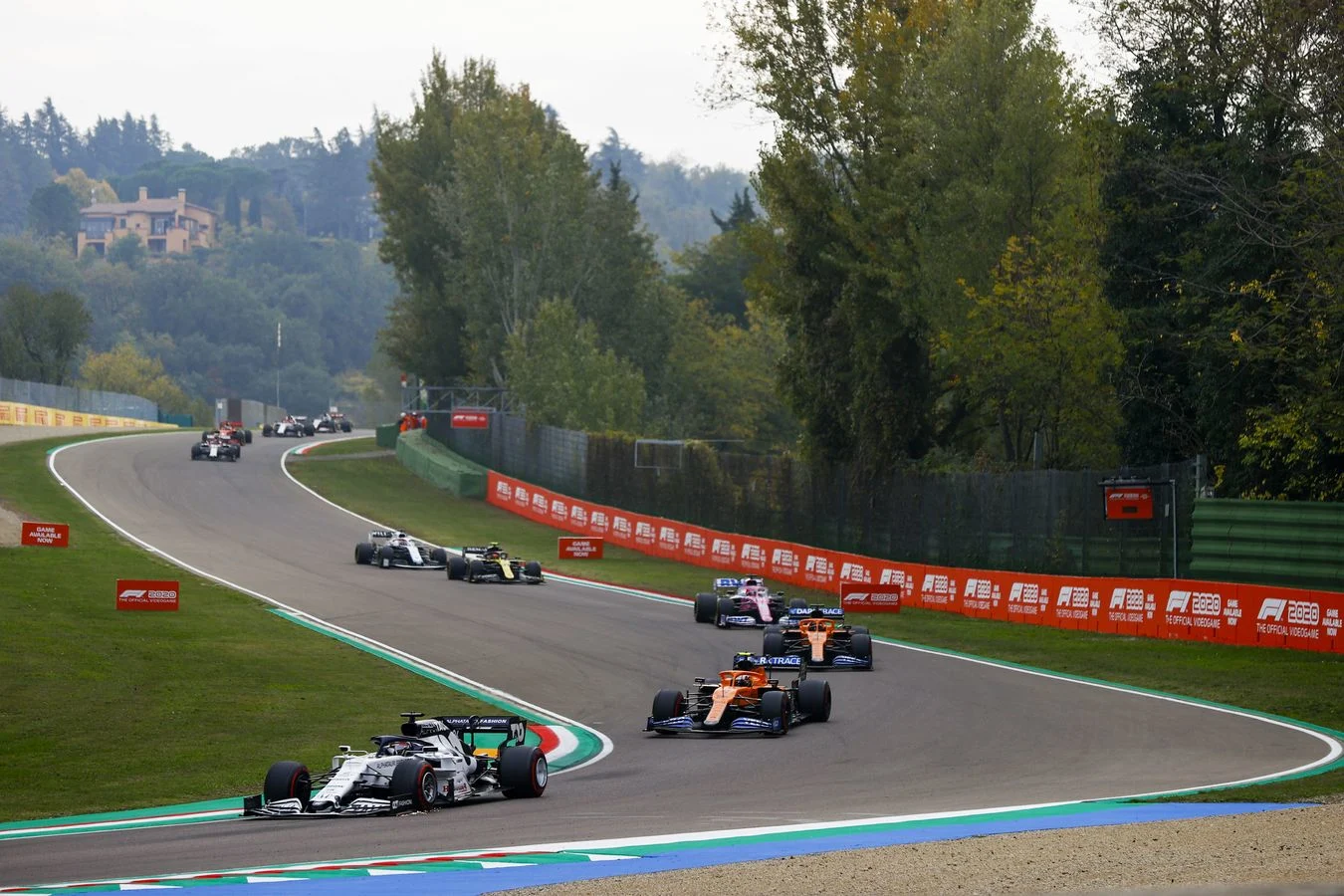
For the first time since the Italian Grand Prix, both cars finished a race in the points – and those points look increasingly crucial. With four races remaining, we’re one point behind Renault and level with Racing Point, ahead in the table on countback courtesy of Carlos’ second place at Monza. With races running out, there’s a real sense of a great fight to be won over the last four weeks of the season in the battle for third. While every point has always been fought over, there’s a sense in the team that this is the sort of fight we’ve not been in for a few years. Going to work is genuinely exciting.