


11 September 2020 00:00 (UTC)
Montreal, motorsport and maple syrup
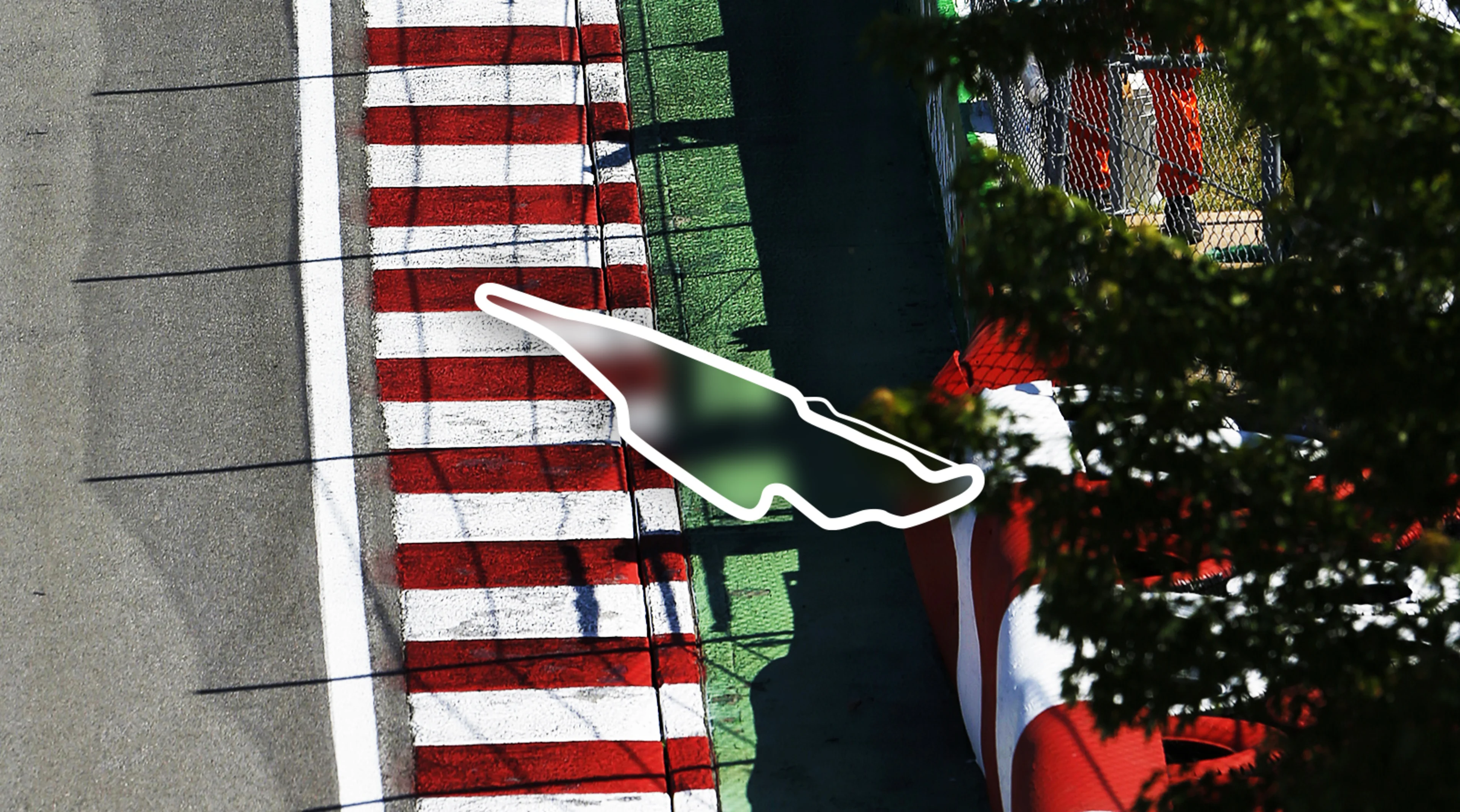
The Circuit Gilles Villeneuve has been the home of the Canadian Grand Prix since 1978. The track is a semi-permanent circuit, with the area around the pits reserved exclusively for racing, while the rest of the circuit is opened up to road traffic during the summer months.
Built on a man-made island in the St Lawrence River, the circuit is, in essence, a sequence of straights linked by tight chicanes and a hairpin. Downforce is cut back to medium-low levels to propel cars to top speeds in excess of 330km/h (205mph). Canada also offers one of the season’s sternest tests of brake performance, with continuous heavy stops around the lap and not much time in between to cool the pads and discs. Traction is a concern, with drivers keen to get the power down early coming out of the slow turns.
The chicanes demand a delicate hand with suspension settings: soft enough to ride the kerbs but without compromising the swift change of direction required to dive through the chicanes. It’s one of those things drivers and engineers need to fine-tune during practice – so everyone looks for a dry weekend.
Montreal often has other ideas, and rain is at least as common as blazing sunshine. Neither eventuality seems to affect the crowd, however, which always fills the grandstand and makes the Canadian Grand Prix one of the most enjoyable at which to work.
The most iconic section of the Circuit Gilles-Villeneuve is the Wall of Champions, a punishing barrier that has famously caught out Formula 1’s cream of the crop, from Damon Hill, Jacques Villeneuve, and Michael Schumacher to Sebastian Vettel and Jenson Button.
We are the most successful team at the Canadian Grand Prix with 13 wins. Our most recent was courtesy of Lewis Hamilton in 2012, but with the greatest of respect to the stellar list of names that have won in Canada, it’s difficult to imagine a finer victory than Jenson Button's in 2011, completed in atrocious weather conditions, involving a Red Flag and a record six Safety Cars. Jenson, who received a drive-through penalty and made five pit stops, was running last well into the second half of the race. He took the lead coming into the final sector of the final lap. It simply doesn’t get more dramatic than that.