

12 May 2026 14:00 (UTC)
33 drivers, 200 laps, 500 miles, and 1 bottle of milk – here's your guide to the inner workings of the 110th Running of the Indianapolis 500

It’s the Month of May, and all eyes are on the 110th Running of the Indianapolis 500. Rich in history, tradition and on-track action, the Indianapolis 500 has solidified its place as one of the most famous events in all of sports.
As the team gears up for the next two weeks of Indy 500 preparations, get caught up on everything you need to know about "The Greatest Spectacle in Racing.”
The Indianapolis 500, commonly referred to as the “Indy 500” or “500,” is by far the most-prestigious event on the NTT INDYCAR SERIES calendar. You can think of the Indy 500 as our Super Bowl. Steeped in tradition, the annual event dates back to 1911. Since then, it has transformed into the world’s largest single-day sporting event with a month of festivities to accompany it.
Simply put, the Indy 500 is one of the oldest and most important events in all of motor racing.
In 1909, the Indianapolis Motor Speedway (IMS) opened as a testing ground for the booming automobile industry in Indiana. By June of the same year, the first competitive event took place at IMS – a gas-filled balloon race. A few months later in August, a motorcycle event was held on the oval, racing on a surface composed of crushed stone sprayed with tar.
On May 30, 1911, the first Indy 500 took place. Ray Harroun won the inaugural event with an average speed of 74.602 mph in a Marmon on a racetrack paved with 3.2 million bricks.
Fun fact: It’s believed that the Marmon “Wasp” was the first automobile in the world to have a rear-view mirror.
Since then, the race has grown in popularity with each passing decade, and is regarded as one of racing’s Triple Crown events (alongside the 24 Hours of Le Mans and the Monaco Grand Prix).
The race itself comes with over a century worth of tradition: crossing the famous remaining 36-inch strip of original bricks, champions drinking a cold glass of milk and the winner being immortalized on the Borg-Warner Trophy. After more than 100 years of racing, the Indy 500 is a crown jewel in the motorsports world, known for its long-distance racing at unthinkable speeds.
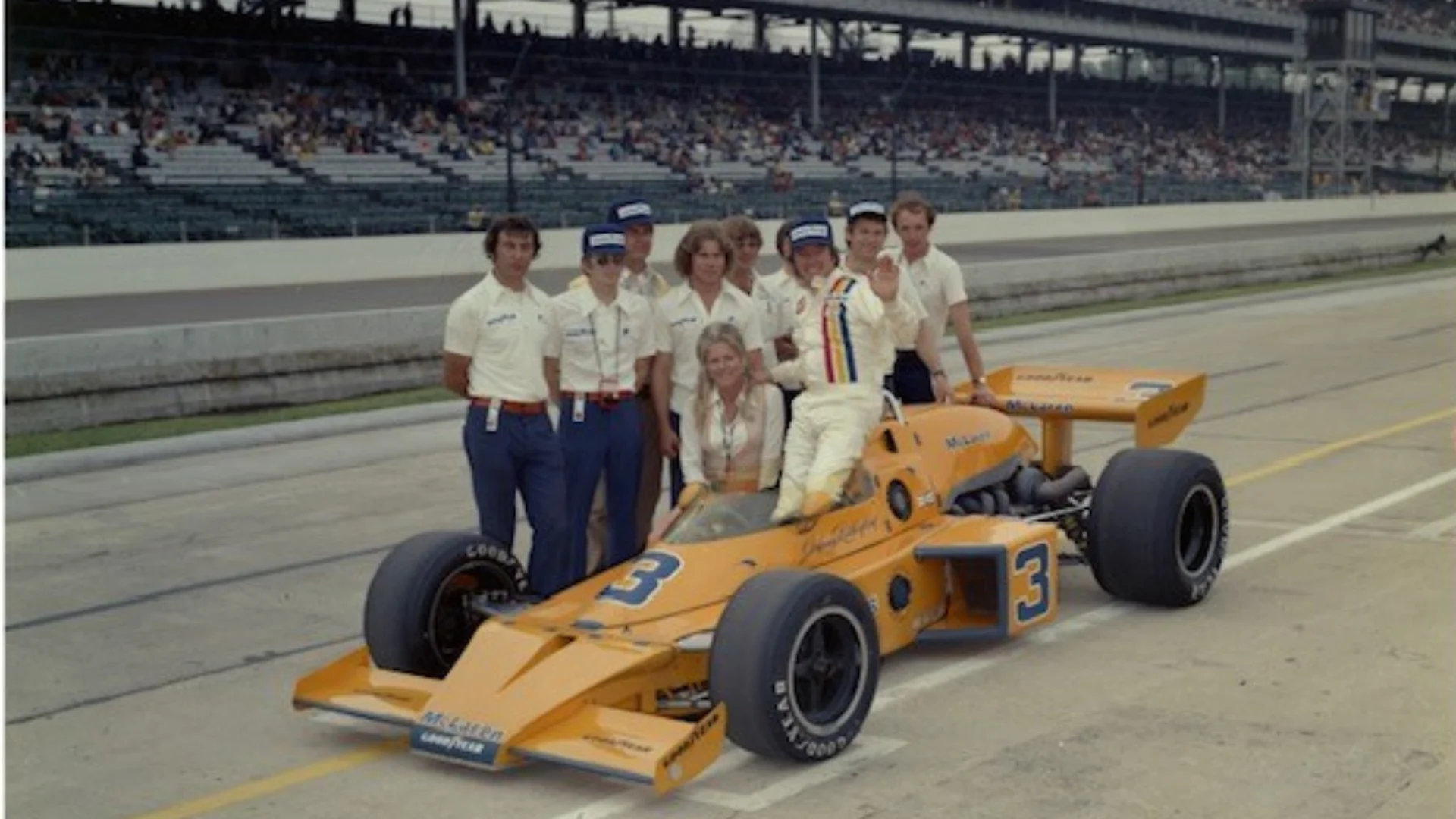
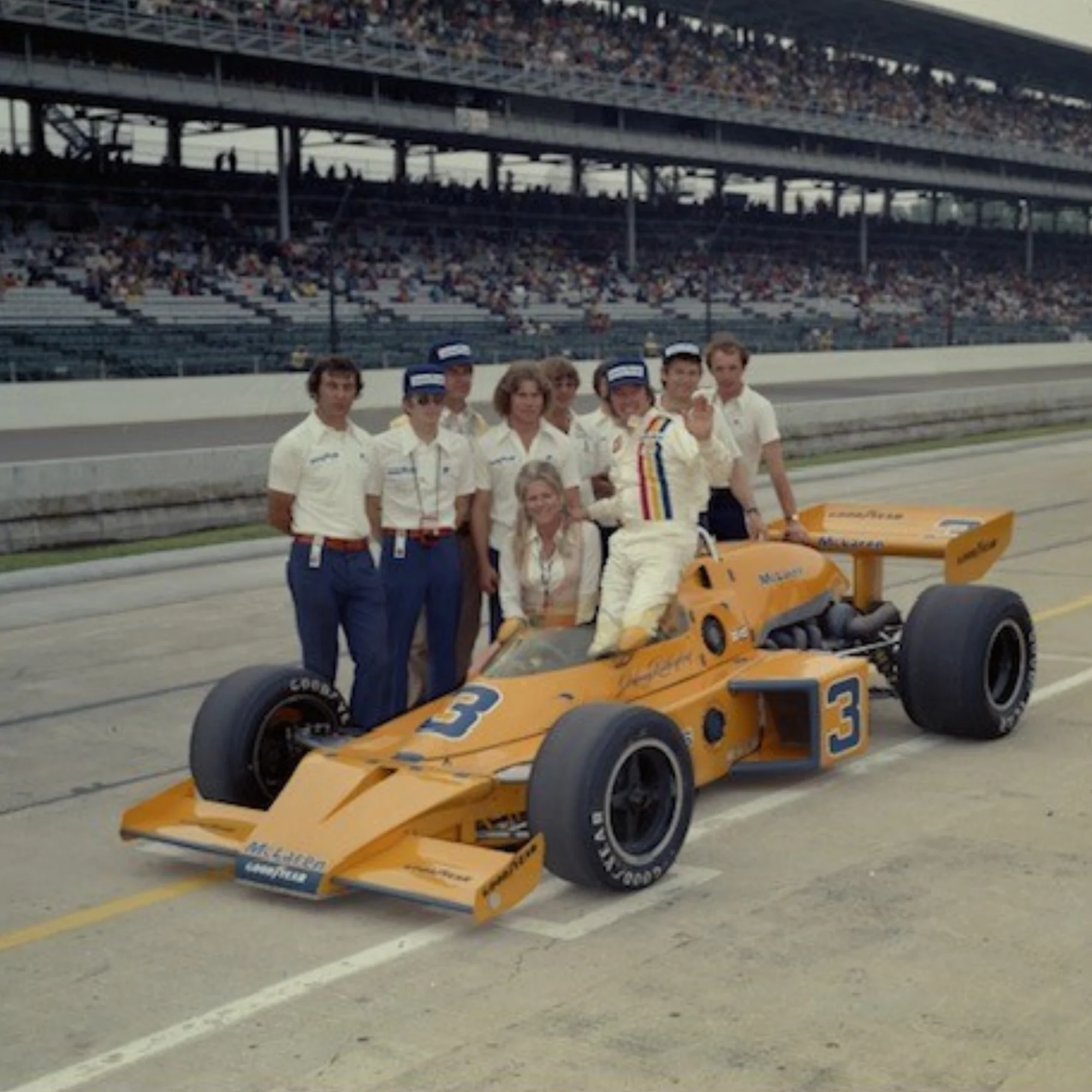
McLaren made its INDYCAR debut in 1970 at the 54th Running of the Indy 500. On May 30, 1970, Peter Revson and Carl Williams drove the No. 73 and No. 75 McLaren cars across the Yard of Bricks for the first time. In total, McLaren has started in 15 Indianapolis 500's as a factory team.
Our first pole was in 1971 when Peter Revson logged a four-lap average of 178.696 mph - over a full mile and a half faster than the rest of the field. McLaren Racing's first Indianapolis 500 victory came in 1972 when Mark Donahue and Team Penske crossed the finish line first in a McLaren chassis. Our first Indy 500 win as a factory team came in 1974 with Johnny Rutherford behind the wheel, and he would add another victory two years later in 1976.
These are the different scenarios engineers, mechanics, and drivers use to test how the car performs under varying racing conditions:
Race Run – The most-common type of run. The cars are set in a race-simulated setup. The team will practice long-distance stints to test the durability of the car’s settings at consistent top speeds.
Qualifying Run – In this scenario, the car is set up to go as fast as it can for 10 miles. Factors like having the wing at a certain angle or tires at a certain pressure all create a vehicle built for max speed for a limited time. This type of run occurs when there are no other cars around, in an effort simulate the Qualification environment.
Tow – A tow is when the driver is behind another, receiving additional speed due to less resistance from the air in front of them. Drivers must understand how their car handles different scenarios during a race run in all areas of the track.
No Tow – A no-tow run happens when a car runs free with no traffic. Essentially, feeling out how the car performs in clean air.
Similar to the qualifying format at other ovals, each car will line up on pit lane for their respective qualifying attempts. However, a couple things differ during Indy 500 Qualifications.
On Saturday, May 16, starting at 11 a.m. ET, one car at a time, each driver will make an initial qualifying run consisting of four timed laps. Each team will have the opportunity to try again and again for a better starting position prior to the 5:50 p.m. ET cutoff time.
Cars will be slotted by average qualifying speed across their four lap runs. This means the driver needs to be flat out, pushing the car over 230 mph to the absolute limit for 10 miles
If a car chooses to go for a second, third or fourth try, they have two options: Get in Lane 2, allowing the driver to keep their original four-lap qualifying speed, or join the priority Lane 1 and forfeit your previous speed to see if you improve or not.
Why would drivers choose Lane 1? Depending on a multitude of factors (temperature changes, location of the sun, wind direction or even a long line in Lane 2), some drivers may be desperate to improve their position.
The results of Day 1 determine race starting order for positions 16-33. Additionally, the fastest nine cars from Day 1 will be locked into the Top 12 Qualifying session on Day 2, earning the opportunity to advance to the Firestone Fast Six where drivers compete for the coveted pole position.
Cars ranked 10-15 on Day 1 will advance to the Final 15 round on Day 2 and will have the opportunity to compete for the three spots remaining to fill the Top 12 round.
On Sunday, May 17, at approximately 5 p.m., Top 12 Qualifying begins with the top six advancing to the Firestone Fast Six. In the Firestone Fast Six at approximately 6:35 p.m., each entrant is again given one attempt. The fastest driver earns pole position and the accompanying $100,000 prize, while the remaining five drivers complete the first two rows of the starting grid.
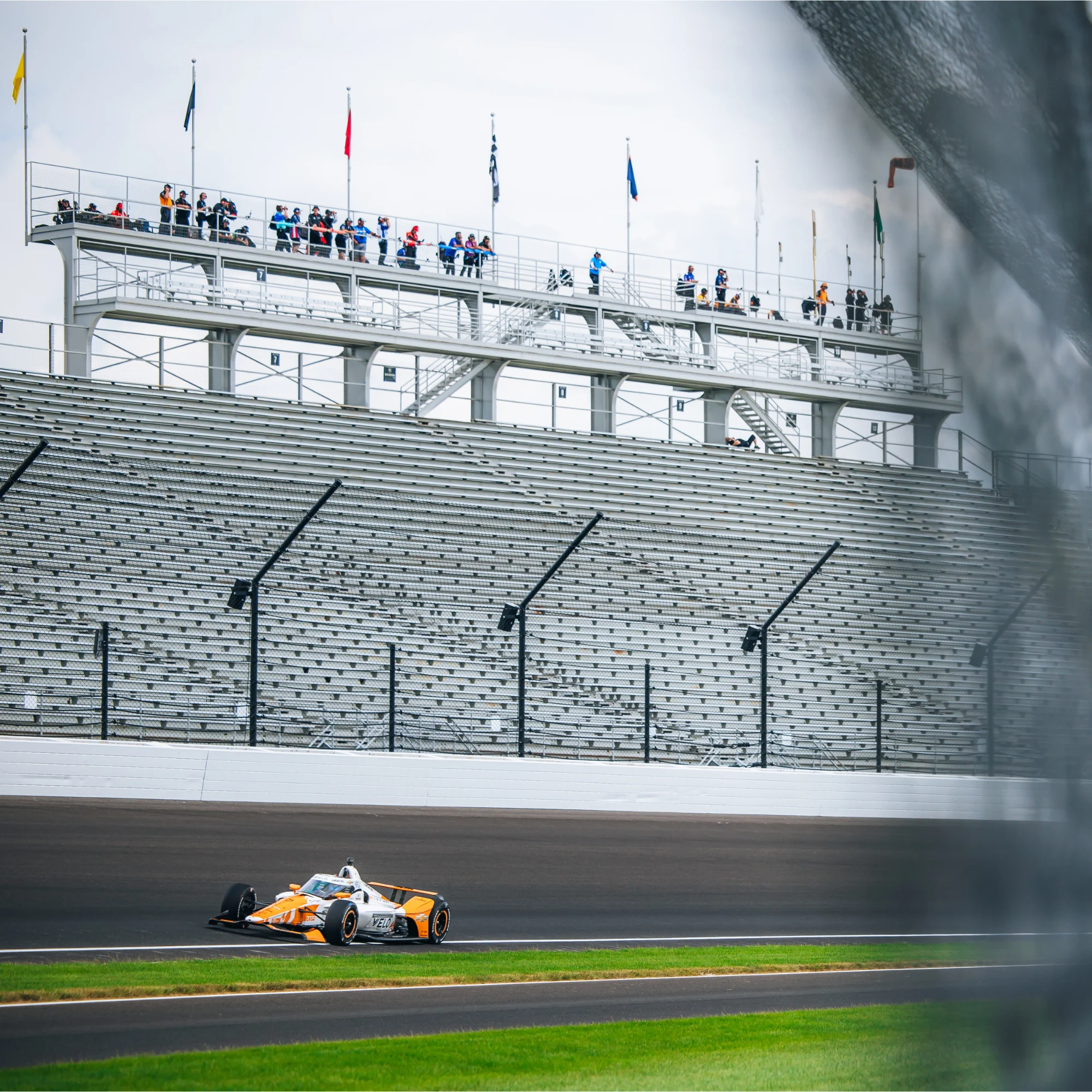
Originally known as “Carburetion Day,” this practice session was held for teams to make final adjustments to the car’s carburetor or chassis before race day. Carburetors are now long gone from the sport, but the day still stands. Shortened to “Carb Day,” this two-hour Friday practice has grown into one of the most anticipated moments of the 500 weekend. We’re talking fast cars on track, pit stop competitions, concerts and one giant party fit for fans of all ages.
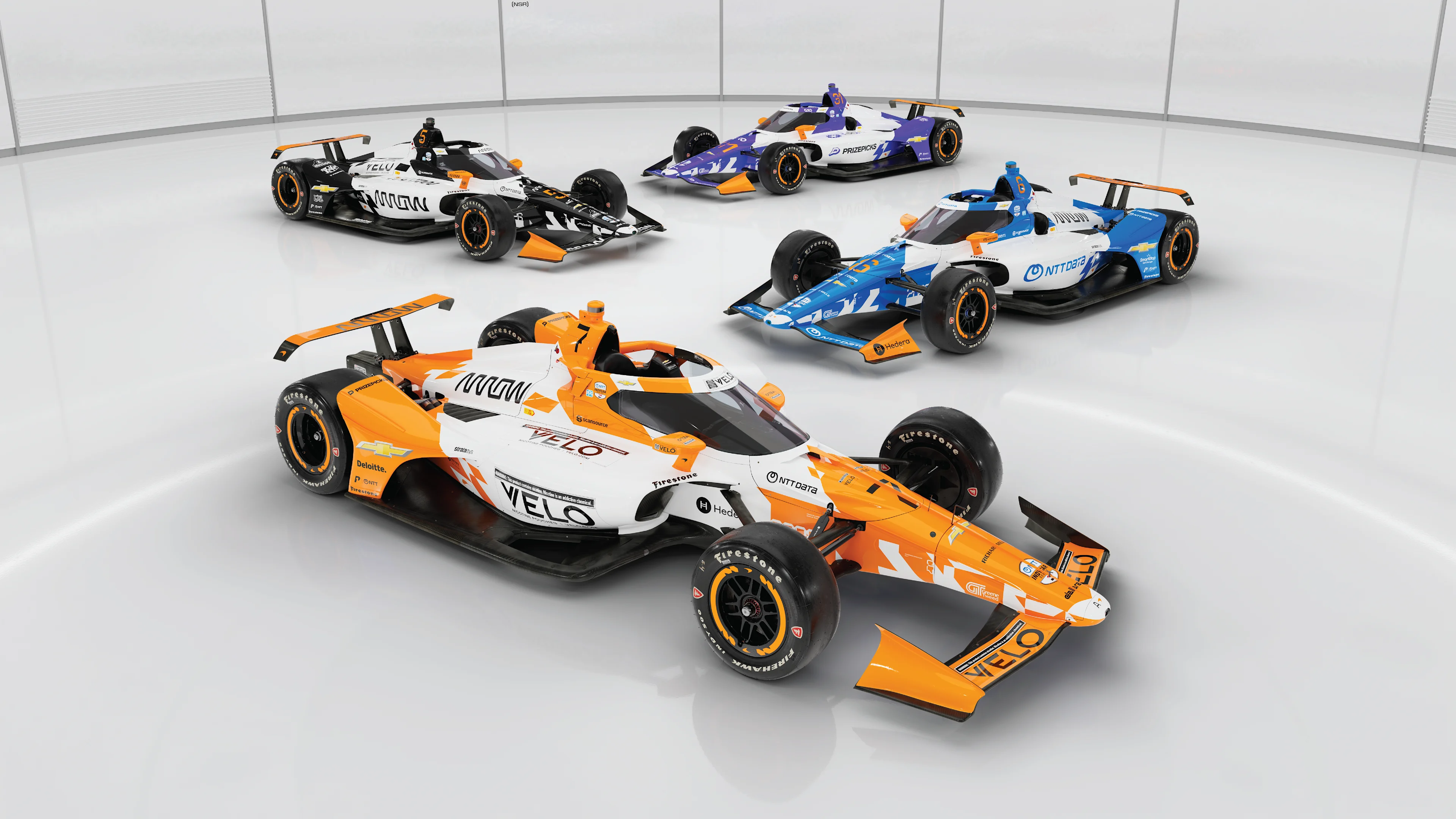
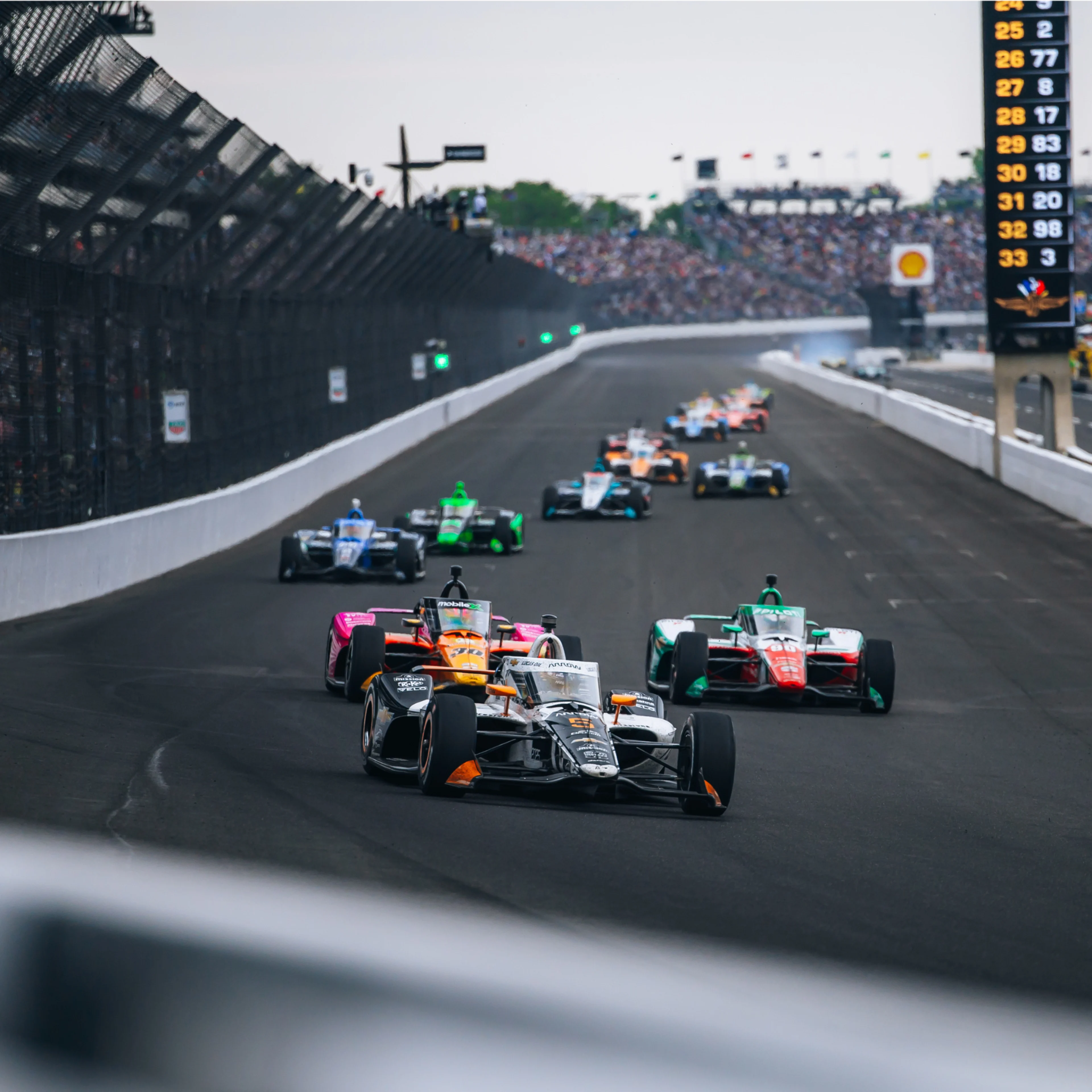
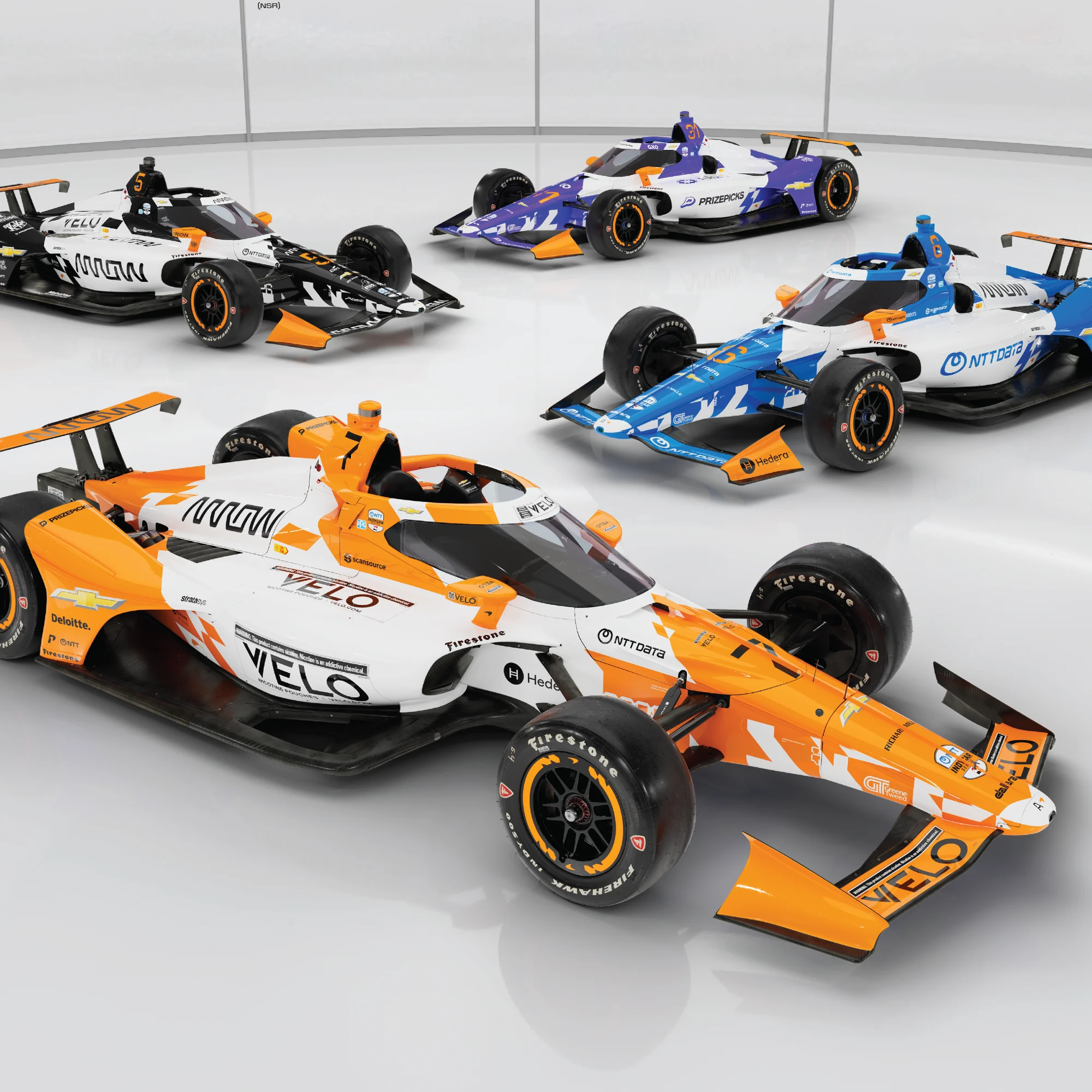
This year the team has launched new bold, white liveries for all four of our challengers. Each car design also includes “Unfinished Business” branding, signifying the team’s 2026 campaign that aligns with the 50th anniversary of the team’s last Indy 500 win with Johnny Rutherford in 1976. The “Unfinished Business” initiative is part of McLaren Racing’s overarching “Never Stop Racing” campaign initiated by the McLaren Mastercard Formula 1 Team last season. For Arrow McLaren, “Unfinished Business” introduces a fresh mantra in the team’s pursuit for its fourth Indy 500 victory. The team's drive hasn't faded over the last five decades. The time passed and recent near misses have only fueled Arrow McLaren to take care of unfinished business.
This year, in addition to our three full-time entries, we will also run a fourth car in the Indianapolis 500, piloted by Ryan Hunter-Reay, the 2014 Indianapolis 500 Winner and 2012 INDYCAR SERIES Champion. Ryan brings a wealth of experience and a proven championship pedigree to the team, having made 395 INDYCAR SERIES starts over 21 seasons, earning 18 victories and 47 podium finishes. His accomplished open-wheel career is highlighted by success at IMS where he will attempt to qualify for his 18th Indy 500 this month.
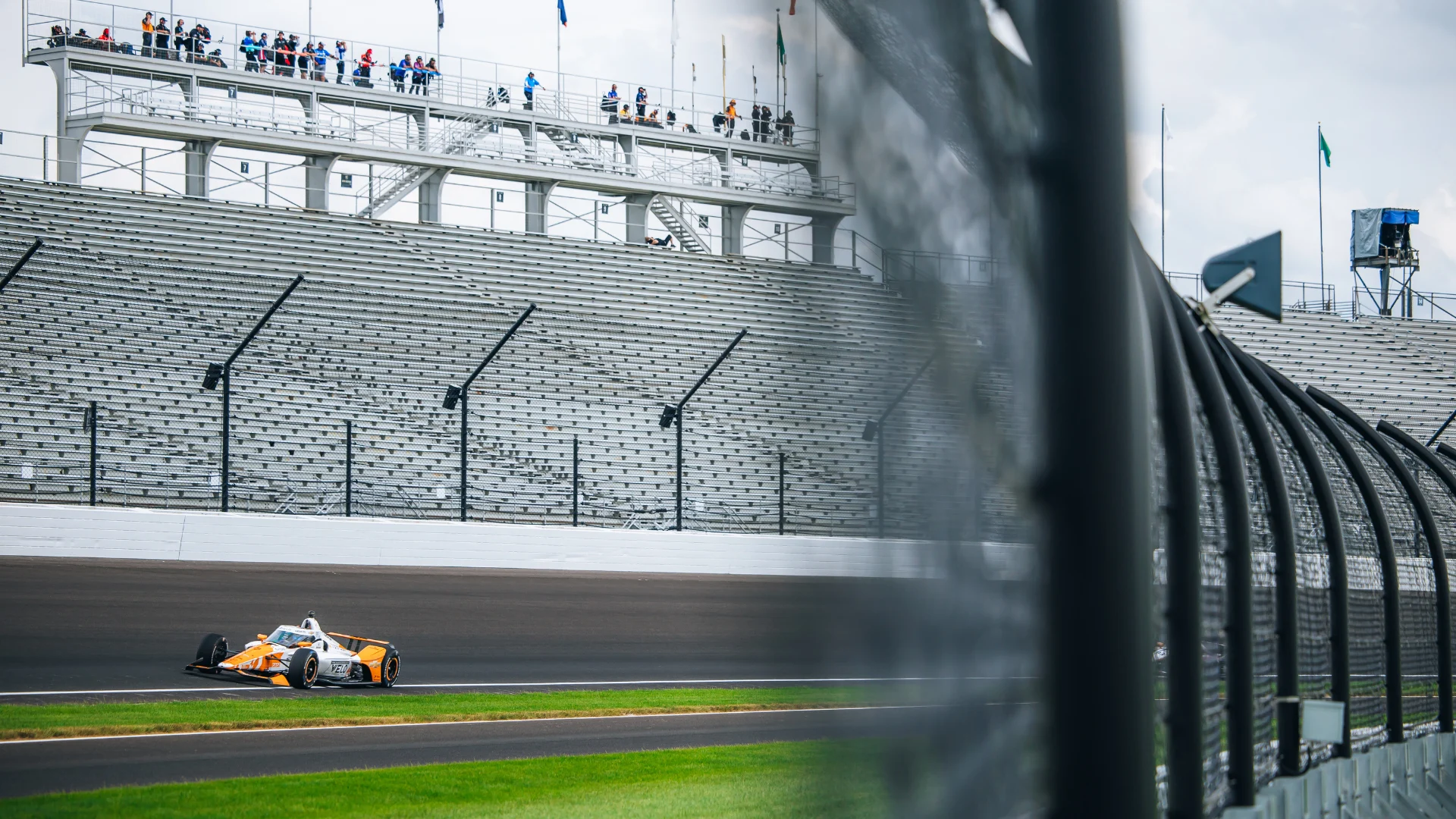
For superspeedways like IMS, if there is even a sprinkle of rain on track, the cars will not run.
It’s daring enough to run at speeds over 220 mph. Even a bit of water in the corner can cause the cars to lose traction resulting in an on-track incident.
So, if it rains on a Practice day, the jet-engine dryers come out. It could take up to two hours for the oval to completely dry and be safe enough to drive on.
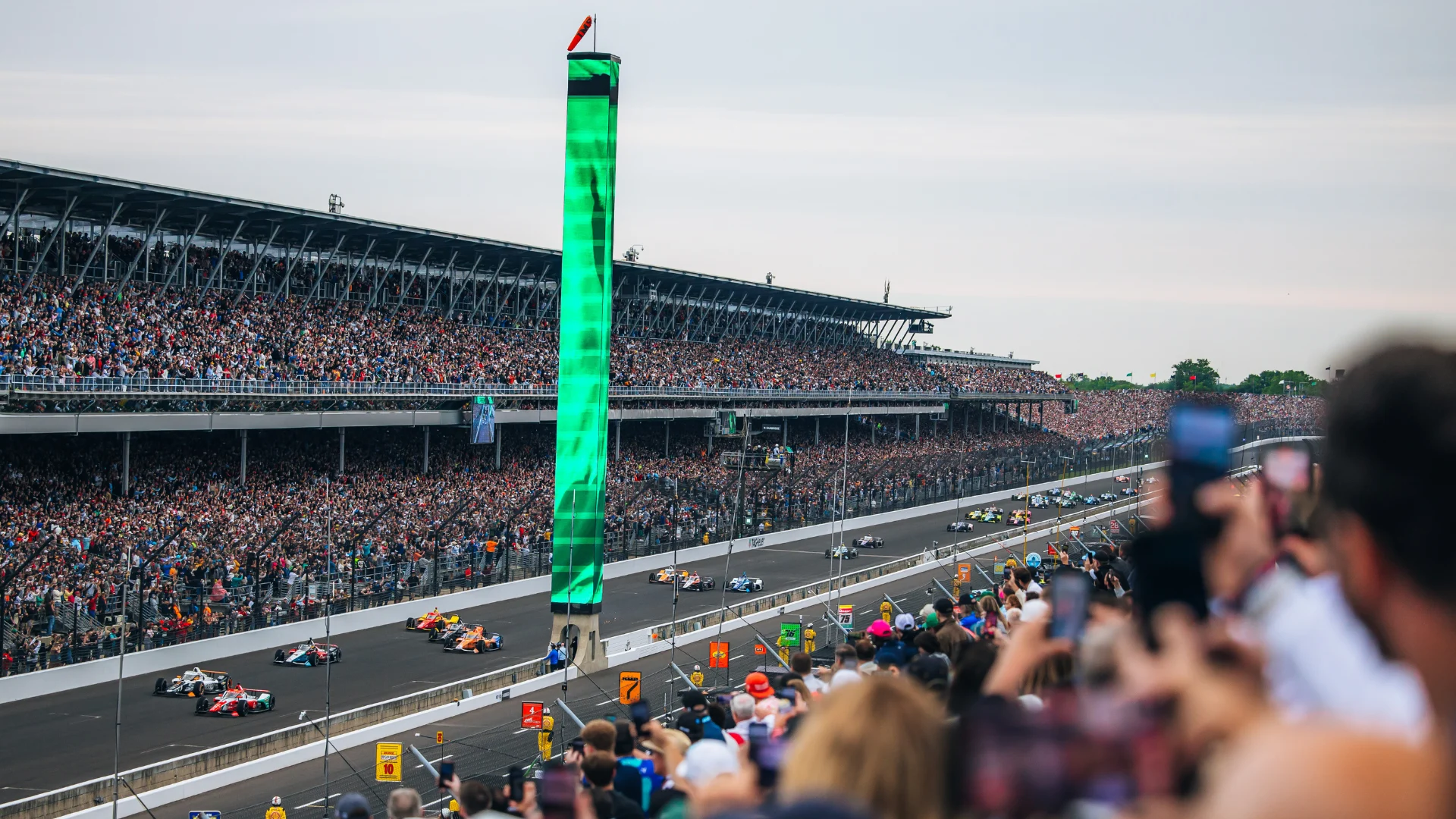
Indescribable. It’s the sound of over 250,000-plus yelling fans (in the grandstands alone, not including the 100,000 additional in the infield), giving teams, drivers and the fans themselves goosebumps. It’s a wave of cheers so loud the drivers can hear over the cars as they pass the grandstands in each turn.
You can’t exactly put it into words without experiencing this thrill in person.
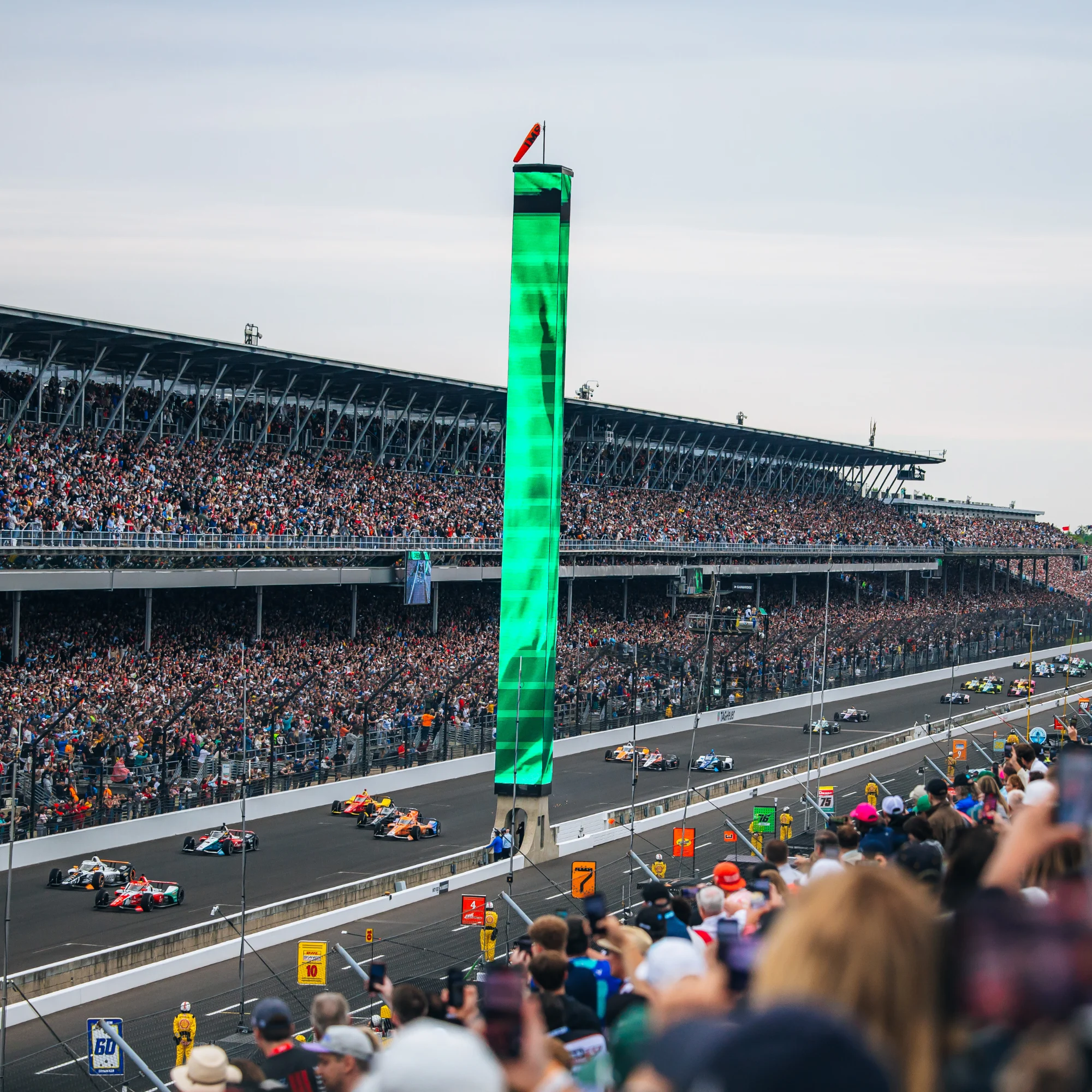
The Indianapolis 500 is the largest single-day sporting event in the world for a reason. People in Indiana have to buy tickets to watch the race live due to a TV blackout, meaning there is no broadcast within a certain-mile radius of the racetrack. Therefore, most people in the race’s home state spend the day listening to the INDYCAR Radio Network, painting the best picture of the race before it is shown on TV tape delayed on Sunday evening.
But, great news for our out of state and international fans: you can watch the whole race on FOX, while international fans also have a variety of viewing options. If your country doesn’t have any of the platforms, tune into Sirius XM or the INDYCAR Radio Network to catch all the action.
Get your tickets for the Greatest Spectacle in Racing today.
Now, make sure you’re following the team throughout the month of May on X, Instagram, Facebook and TikTok to join in on all the exciting Indianapolis 500 coverage and we’ll see you on May 24!