



11 May 2017 10:30 (UTC)
What's the difference between Formula 1 and IndyCar?
In the build up to our very own 'race of two worlds' on May 28, we take a look at the differences between F1 and IndyCar challengers.


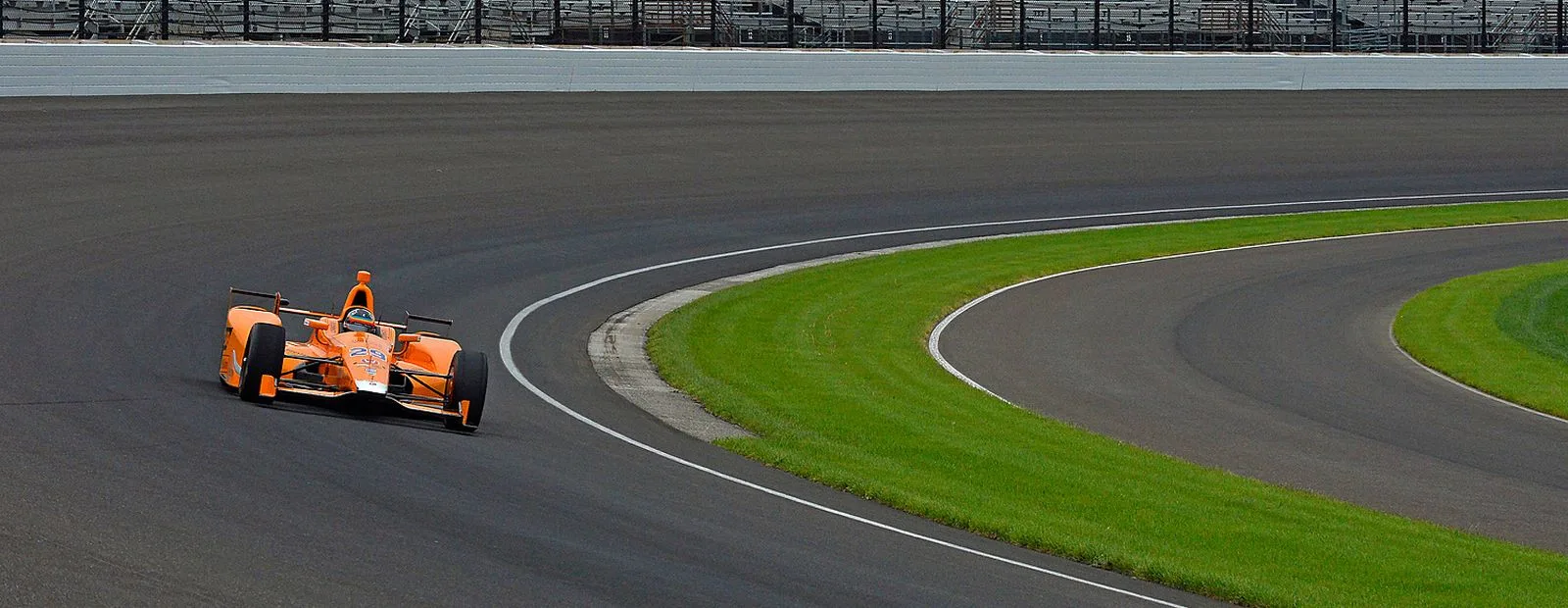
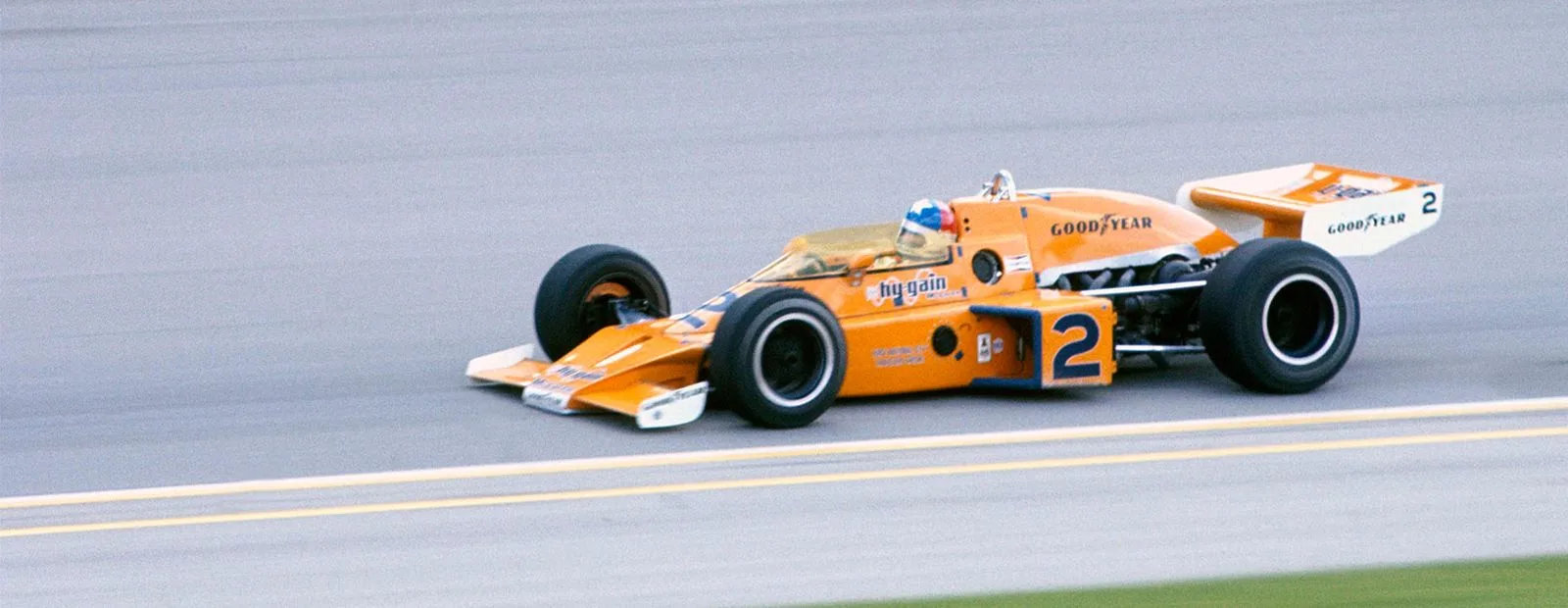
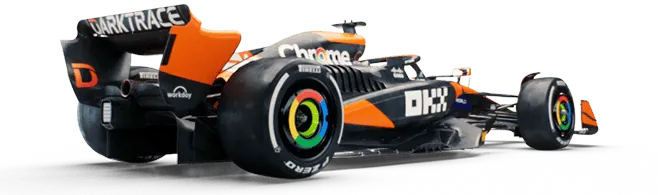
Formula 1: Carbon-fibre monocoque unique to each team and manufactured independently. IndyCar: All teams run a Dallara IC-12 (with Honda or Chevrolet body kit).
Formula 1: 1.6-litre turbocharged V6 with energy recovery system (produced by Honda, Ferrari, Mercedes, and Renault). IndyCar: 2.2-litre twin turbocharged V6 (Honda or Chevrolet).
Formula 1: Approx 750bhp including energy recovery. IndyCar: 550-700bhp depending on turbo boost.
Formula 1: Approx 225-230mph (362-370km/h). IndyCar: 235-240mph/378-386km/h.
Formula 1: Approx 2.1-2.7secs, depending on circuit layout. IndyCar: Approx 3secs
Formula 1: 8-speed semi-automatic with reverse. Manufactured by individual teams. IndyCar: Xtrac 6-speed sequential plus reverse.
Formula 1: Minimum limit of 728kg/1604.97lbs, including driver. IndyCar: Approximately 1580lbs/716.67kgs (Speedways) 1610lbs/730.28kgs (others including short ovals). Does not include fuel, driver, drink bottle and contents and driver equivalency weight.
Formula 1: Pirelli P-Zero - five-compound series of slicks (Ultrasoft/Supersoft/Soft/Medium/Hard), with two wet-weather compounds (Intermediate and Full Wet). IndyCar: Firestone Firehawk slicks plus wets for street/road courses.
Formula 1: The McLaren-Honda MCL32 runs BP Ultimate fuel (unleaded). IndyCar: Sunoco E85R fuel (blend of 85% ethanol and 15% gasoline).
Formula 1: Restricted by weight: 105kg/231.48lbs maximum for race distance (in-race refuelling not permitted). IndyCar: 18.5 US Gallons/70.0 litres - in-race refuelling is permitted via a gravity-powered pit rig.
Follow TEAMStream, the McLaren App and McLaren’s official Indy 500-focused Twitter feed @McLarenIndy for all of the build-up and live insights from the team.