




6 February 2026 09:45 (UTC)
McLaren Mastercard F1 Team Principal on the reliability of the new generation of cars, the potential performance differentials, and the competitive picture
Read time: 4.9 minutes
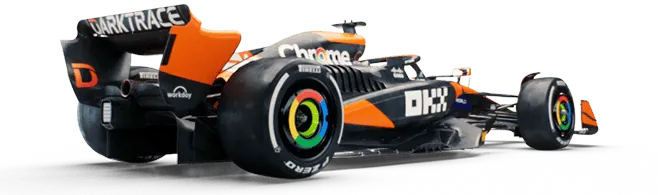
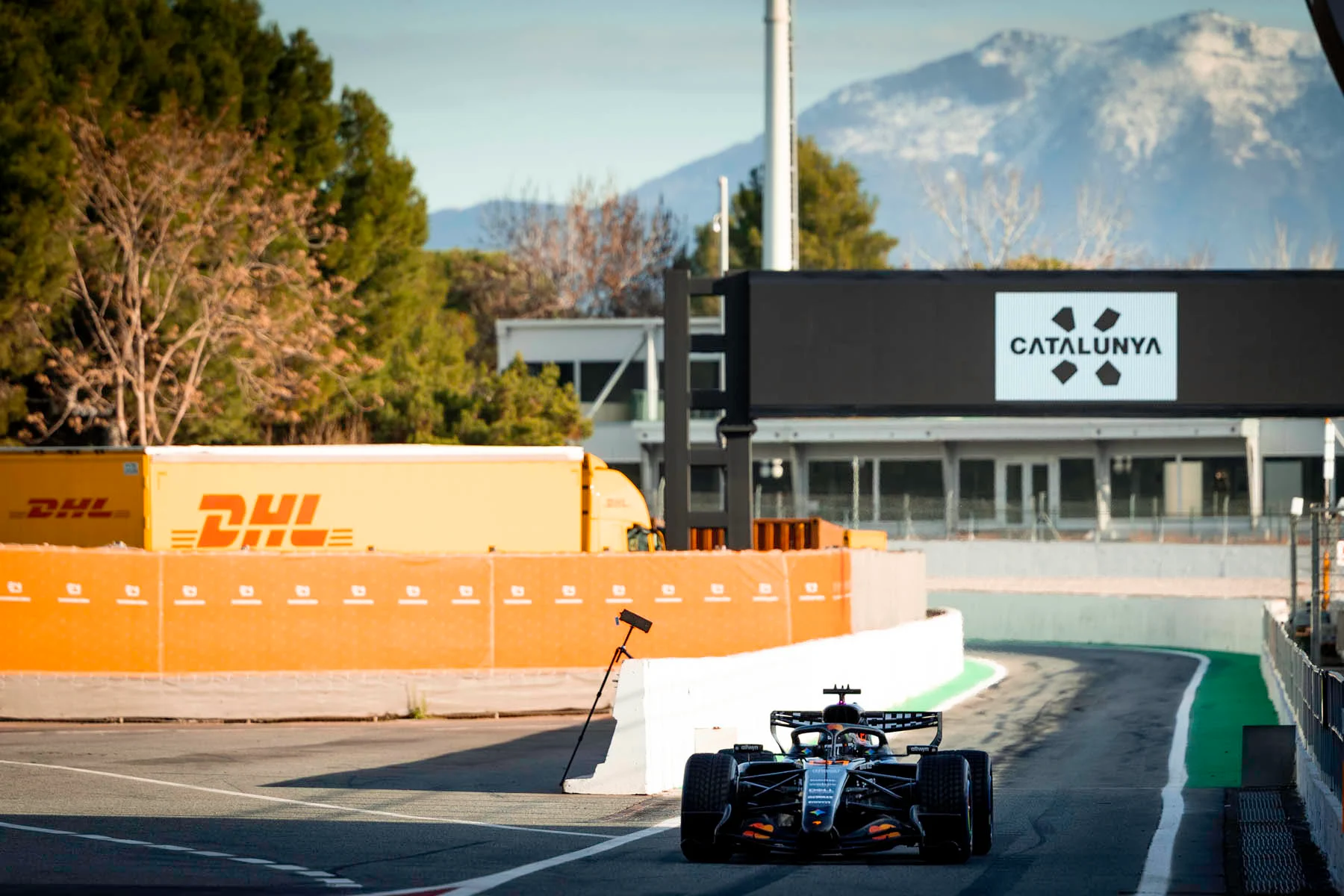
When speaking ahead of last week’s Shakedown in Barcelona, McLaren Mastercard Formula 1 Team Principal Andrea Stella explained that the team had made a collective decision to push the deadlines to the limit – the more time they could spend on the MCL40, the better.
So, when the 2026 challenger rolled out of the garage for the first time on the Wednesday of the Shakedown, with exactly three days remaining, the maximum amount of time teams were permitted to spend on track, they were satisfied that they had managed to maximise both their development time and their allotted testing time.
After 20 months of ideation, design, simulation, and build, it was finally time for the team to see their work in action in the real-world.
Andrea and the team have since returned from Spain and have been back in the factory, unpicking what they’ve learnt and preparing for the two upcoming pre-season tests in Bahrain.
During his brief time back on campus in Woking, we caught up with Andrea for a moment of reflection, where we asked him what he had discovered from the Shakedown in Barcelona and what we could expect from the upcoming track time in Sakhir.
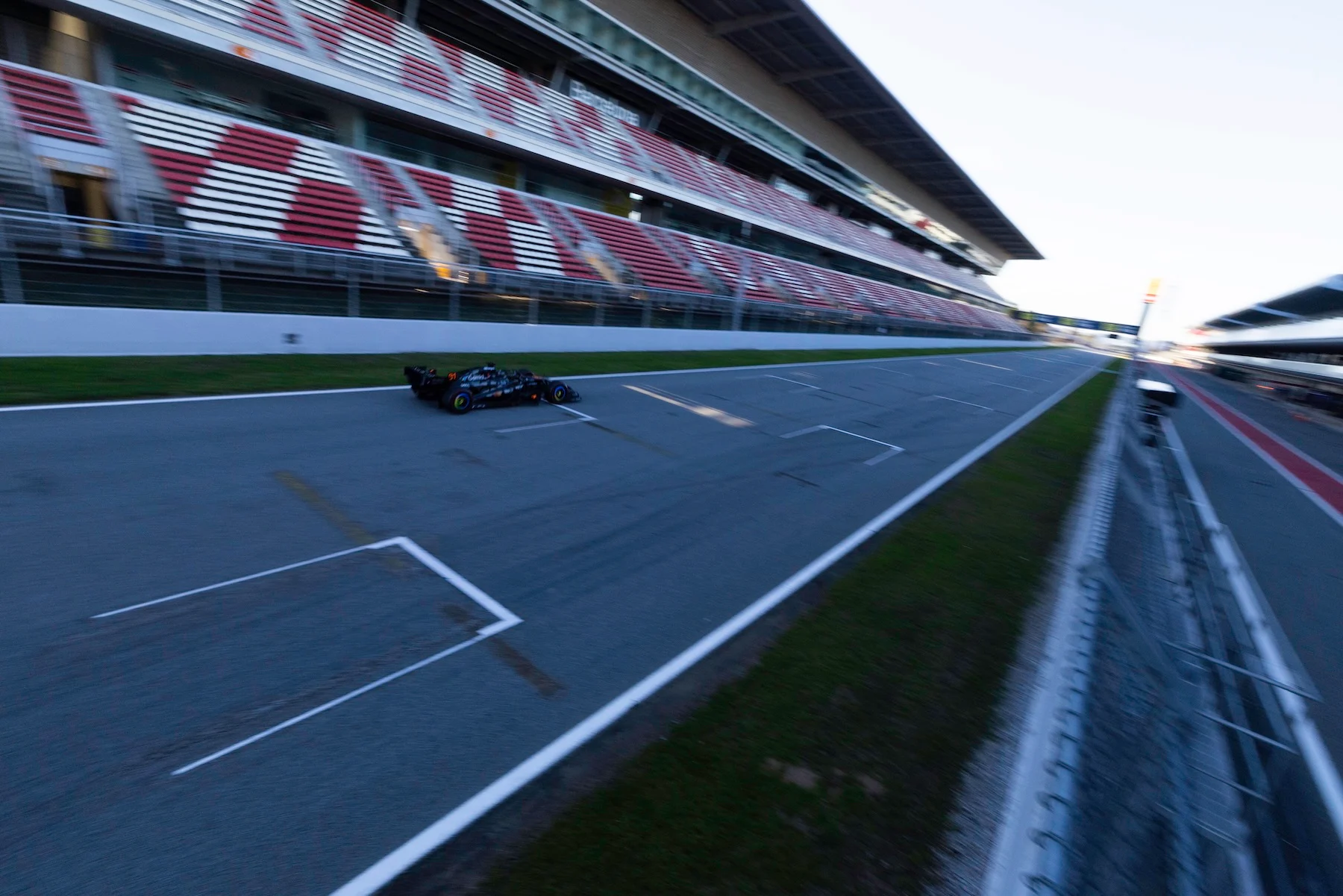
Andrea Stella: Yes, it was a very useful three days. We were able to collect a large amount of data and begin to understand how the new generation of single-seaters behave in reality on track and no longer solely on simulators. Of course, we would have liked to have done more laps, but even the difficulties that slowed us down on the first two days were important in helping us to better understand how to operate the car. We were well aware that by pushing the design phase to the limit, we would arrive at this shakedown very tight in terms of preparation, but thanks to the work done on the track and at Woking, we managed to make up almost all the lost time: it was a bit like building an aeroplane while in flight, but we did it.
Andrea:No, what we saw on the track was in line with expectations and, above all, with the simulations. What emerged clearly is that the learning curve is very steep for everyone – drivers and teams alike – which means that every lap teaches you something useful in terms of performance. After all, it was natural to expect such a scenario, considering that these cars are totally new, from A to Z. We know that the MCL40 is a good starting point, but now we have to work hard to develop it and, through our knowledge the car, improve the overall performance of the package, both for the immediate future and to further define the development lines during the season.
Andrea: Although these are very preliminary indications, I believe that one of the areas where there is great room for improvement is in exploiting the new power unit and all the options available to the driver. There is also a lot of potential to be extracted in terms of managing the variable aerodynamic configuration, referring to the alternation between Corner and Straight Mode. That said, it is obvious that this generation of single-seaters is at a very early stage of development: four years ago, when ground effect cars made their debut, we were in different circumstances because the power unit and tyres were essentially unchanged from the previous year.
Andrea:In general, I think the teams have shown a high level of preparation for the debut of the new generation of cars. Those who feared a repeat of what happened 12 years ago at the debut of the hybrid power units saw their fears vanish fairly quickly. In terms of the power unit, we saw that even those who brought the engine to the track for the first time managed to accumulate a good number of kilometres.
Rather, the reliability issues that slowed down the work on the track, at least as far as we are concerned, were mainly related to the enormous complexity of the 2026 car system, and I would like to applaud our team who worked with extraordinary commitment, day and night, to allow us to almost completely make up for the time lost at the beginning. It was a bit like going back a few years, when the very first winter tests regularly went on into the small hours, but I am sure that as the teams get to know the cars better, everything will return to normal.
Andrea: In terms of performance, it is obviously very difficult to give an objective assessment, as we do not know the other teams' work programmes, fuel levels or work schedules. In addition, the environmental conditions were quite different from what we normally experience on race weekends. That said, it is clear that there are at least three competitors – Mercedes, Ferrari and Red Bull – who have all got off to a good start. In particular, the Brackley team has definitely raised the bar, and we will have to work hard to do the same. The fact that the three teams I mentioned are equipped with three different power units is a first indication that there may not be extremely marked differences in terms of absolute performance, at least as far as some of the PU suppliers are concerned.
More than ever before, this year it will be the ability of the teams and drivers to exploit the package at their disposal, as well as the ability to develop the car in the right direction, that will make the difference. In any case, what we see in the first part of the season in terms of the balance of power will almost certainly not be the same as what we see in the second part, precisely because the effects of car development in an early phase, such as the one we are experiencing now, can only be very significant.
Pre-season preparations continue for the McLaren Mastercard Formula 1 Team as they head to Formula 1 Bahrain Pre-Season Testing 1 next week, with running scheduled across three days from 11-13 February.
A filming day will also be conducted beforehand, with Lando and Oscar sharing driving duties throughout the day at the Bahrain International Circuit on Tuesday, 10 February.
The team’s programme for running in Sakhir will see both Lando and Oscar in action as they continue to learn this generation of Formula 1 car from a driving and setup perspective. Next week’s initial running schedule has been assigned, however it remains flexible throughout the week as the team's run plans and learnings develop
Tuesday, 10 February - AM | Lando Norris |
Tuesday, 10 February - PM | Oscar Piastri |
Wednesday, 11 February | Oscar Piastri |
Thursday, 12 February | Lando Norris |
Friday, 13 February - AM | Lando Norris |
Friday, 13 February - PM | Oscar Piastri |
Plans for the team’s Bahrain Pre-Season Testing 2 schedule will be announced in due course.
To find out more about the upcoming regulation changes and to follow the build-up to the 2026 Formula 1 season, stay close to the official McLaren Racing website, app and social media channels, where we’ll be covering all of the action.