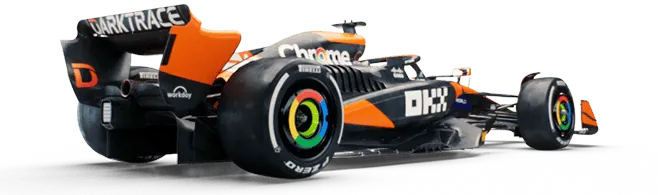




When Jenson Button and Checo Perez snapped down their helmet visors earlier this week in the pitlane at Jerez, you could take it that the 2013 FIA Formula 1 World Championship was unofficially under starter’s orders in anticipation of the opening race of the season next month in Melbourne.
Moreover, it goes without saying that all the teams head into the series of pre-season tests with the intention of generating the maximum - and most accurate - indication as to whether or not their design teams have managed to reproduce their new challenger’s wind tunnel form when it comes to real-time action out on a circuit. ‘Correlation’ is a word you hear muttered often by Formula 1 engineers at this time of year, as often as not through gritted teeth.
Squeezing every millisecond of extra speed from testing has long been an essential part of the development of componentry in the gestation of every Formula 1 car, although team attitudes towards properly structured testing have attracted support and engendered suspicion in equal measure. They don’t test as much or as often as they used to, by regulation, but testing is still very important – and is also an integral part of the competitive edge being flashed in the direction of prospective sponsors.
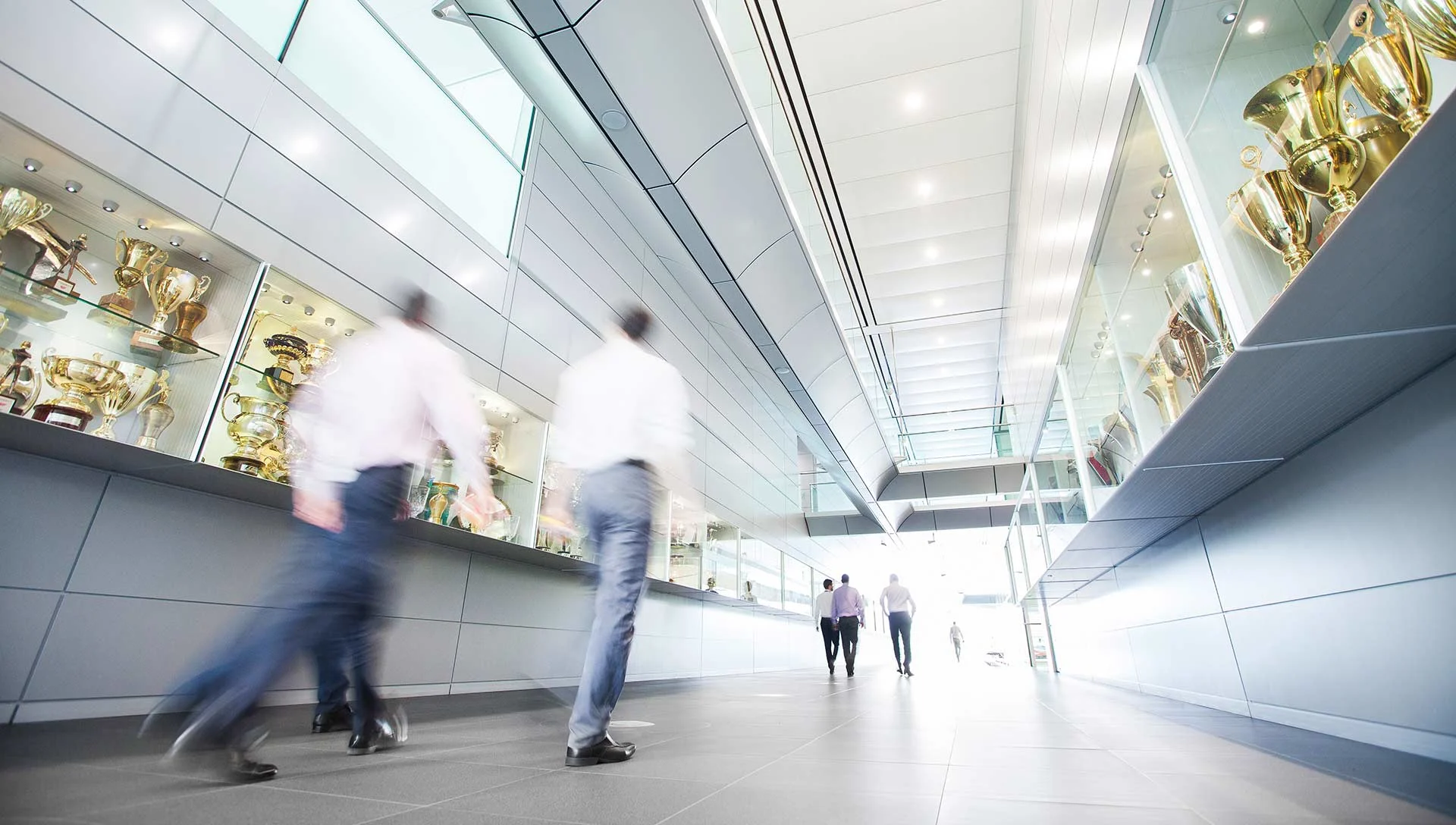
There have long been views at variance in the Formula 1 pitlane as to whether it’s worth the expense for a constructor to invest in sufficient real estate to build its own bespoke test circuit. It would never happen now, because the Formula 1 world is a poorer place than it was when it was powered by hundreds of millions of tobacco dollars. McLaren briefly toyed with the idea more than decade ago, but, although some McLarenites judged that it would be the right moment to imitate Ferrari and build its very own 'Home Counties Fiorano', after much consideration the project was abandoned. The emphasis was already very much swinging behind the use of established and fully equipped Formula 1 tracks as regular testing venues, most particularly Jerez and Barcelona. (A paddock rumour once gained breathless momentum to the effect that McLaren had a secret underground test track beneath the glistening curves of its McLaren Technology Centre in Woking; sadly, it isn’t true.)
It all seems light years away from my memories of the 1966 Race of Champions at Brands Hatch, where John Surtees, grappling to make fuel injection adjustments that would give his Ferrari a sporting chance to run smoothly from the start of the forthcoming race, popped and banged his way around the now-defunct kart circuit right at the bottom end of the main paddock. To see a works Ferrari chug-chug-chugging its way through the main paddock alongside Austin J4 vans and the occasional Mark II Jag seemed incongruous to say the least, even then.

In the 1970s McLaren generated bitter-sweet memories from its continued use for testing of Goodwood, the circuit on which Bruce McLaren had been killed early in June 1970. Perhaps the McLarenites shuddered as they drove through the circuit’s famous gates, perhaps they didn’t; but the company that bore his name stayed loyal to the famous Sussex speedbowl and continued to shake-down a succession of Can-Am cars there on a regular basis over the next few years.

Sometimes McLaren shared the hire of the circuit with another outfit, and sometimes that other outfit was Ron Dennis’s Rondel Racing Formula 2 operation. A decade later such tests were given a confident symmetry after Ron’s organisation merged with McLaren. The rest, as they say, is a historic slice of coincidence, many of which crop up in our colourful sport on a regular basis.
Grand Prix circuits such as Jerez and Barcelona. Bristling with on-site technology and state-of-the-art paraphernalia, can and do double-up for Formula 1 testing purposes, accurately reproducing the race situations that are so crucial for solus F1 tyre supplier Pirelli in its ongoing battle to ensure that its race tyres deliver optimal performance.
The only problem is that the weather is a bit too cold at this time of year, which conflicting temperature variable confounds Formula 1 engineers almost as vexatiously as do those pesky correlation issues. If their problem isn’t correlation, it’s graining. In fact it’s usually both.