





A compendium of colourful compounds
A lot of the pre-season talk in and around the world of Formula 1 has focussed on the new tyres being supplied to all the sport’s teams in 2011.
Italian supplier Pirelli has returned to the sport after a 20-year absence, and the fifth-largest tyre manufacturer in the world was specifically requested to produce tyres that degrade more quickly than those which were on offer from the sport’s outgoing tyre supplier.
There was speculation that all teams would inevitably have to pit once or twice more than they have done in previous seasons, because of the massive difference in performance extractable from the tyres when comparing the beginning of a stint (when fresh tyres have just been put on the car) to the end of one (when the tyres have worn down through usage).
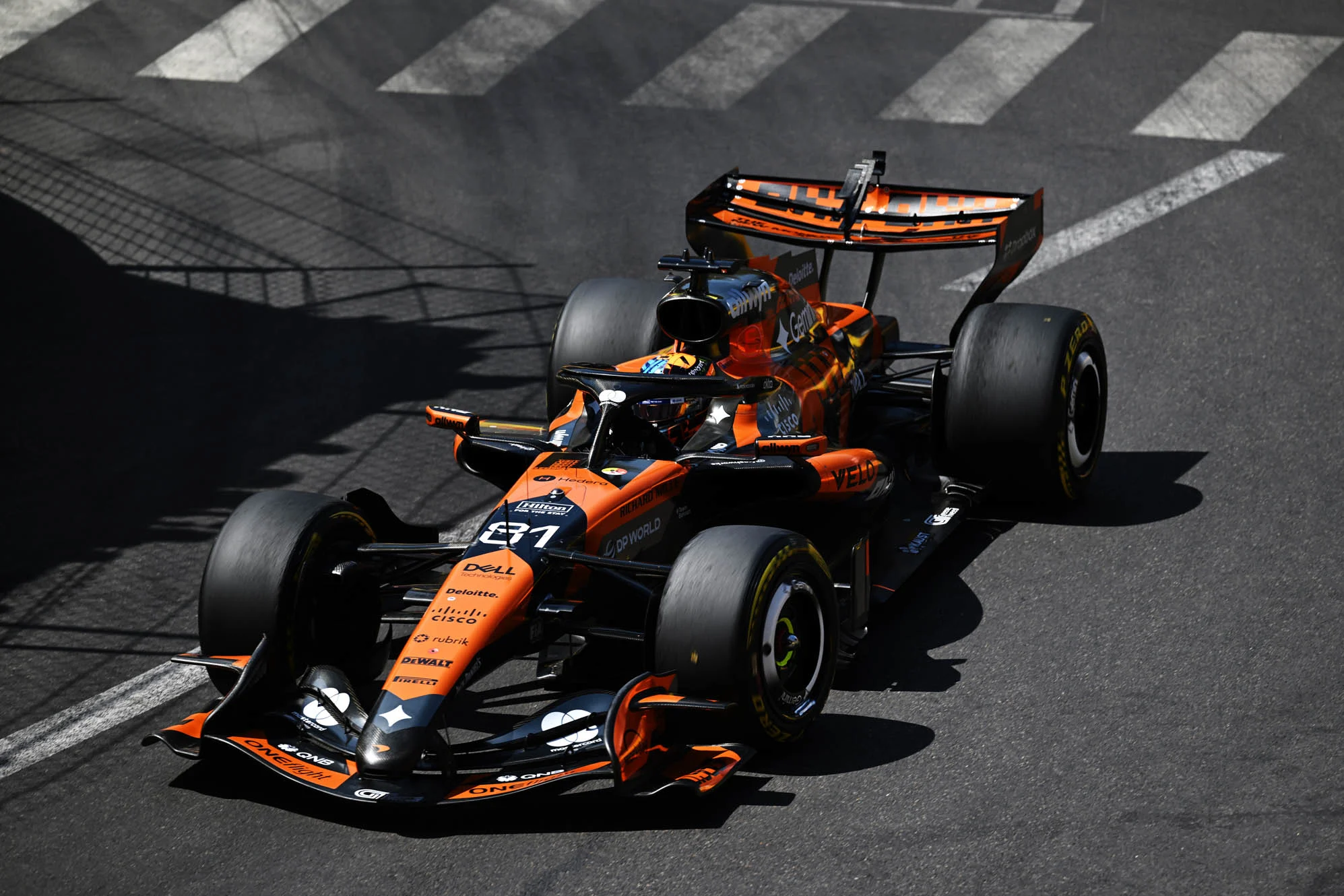
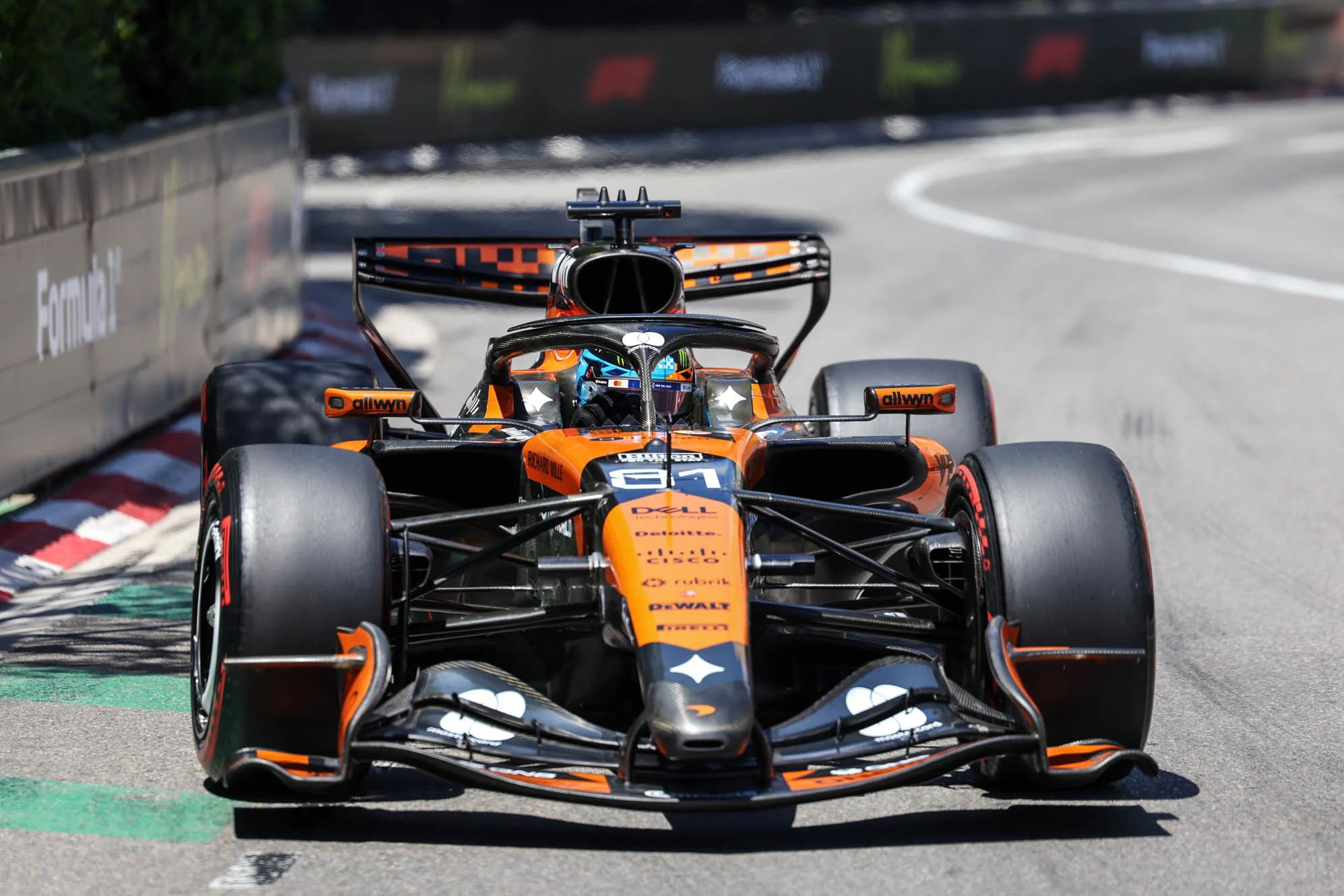
The teams have a total of six different compounds to choose from, and each will have Pirelli logos on their sidewalls in different colours - Wet Weather, coloured orange; Intermediate, coloured light blue; Super Soft, coloured red; Soft, coloured yellow; Medium, coloured white; and Hard, coloured silver.
Differing colours were introduced by Pirelli so fans at home, or in the grandstand, can easily identify which tyre an individual driver is on.
Wet weather tyres are, as their name suggests, used when a racetrack is very wet, whereas Intermediates are used when a track is drying or gradually getting wetter.
The other four compounds are for use in dry conditions only – think of the Super Soft tyre as a “qualifying” tyre – it offers maximum performance for a single lap before rapidly dropping off in performance.
On the other end of the scale, the Hard tyre will last the longest out of all the compounds during a race, but the trade-off is that it won’t as “fast” as the Super Soft, or any of the other compounds for that matter. The Soft and Medium tyres theoretically slot in between the Super Soft and Hard tyres in terms of their performance and durability.
Soft tyres are closer in performance to Super Softs, but are less durable than Medium compound tyres, whereas the Mediums are closer in durability to the Hard tyre, but offer less performance than the Softs do.
What does this all mean for Formula 1 teams and the sport’s fans? Firstly, tacticians on the pit wall have to be able to strategise for their drivers with even more prowess than they did last year in order for them to win.

The inevitable result of using tyres which are less durable than the ones used last year means that it will now be commonplace to see drivers pitting more than they ever did before.
Lastly, the Pirellis will spice up the on-track action because of the notable performance differences between each compound – a driver on worn tyres at the end of a stint will have a significant performance deficit to a driver who has just has a brand-new set of tyres put on his car, meaning it will be easier for the latter to overtake.
Along with the return of the F1 Hybrid System, which stores energy which would otherwise dissipate under braking for the drivers to use as a power boost on each lap, and the introduction of the Drag Reduction System, which will be used for overtaking, the new Pirellis should make for some very exciting racing through the rest of the season.